Largest Study Reveals Bats Originated in Europe, Opening Path for Cancer and Virus Research
Baca dalam 60 detik
- Analisis genom dan fosil dari 130 peneliti menyimpulkan kelelawar pertama kali muncul di Eropa sekitar 65 juta tahun lalu, bukan di Afrika atau Asia.
- Kemampuan ekolokasi ternyata berevolusi bersamaan dengan kemampuan terbang, mengubah pemahaman tentang evolusi mamalia.
- Temuan ini membuka peluang riset terapi kanker dan penyakit zoonosis, sekaligus menyoroti kerentanan populasi kelelawar global.
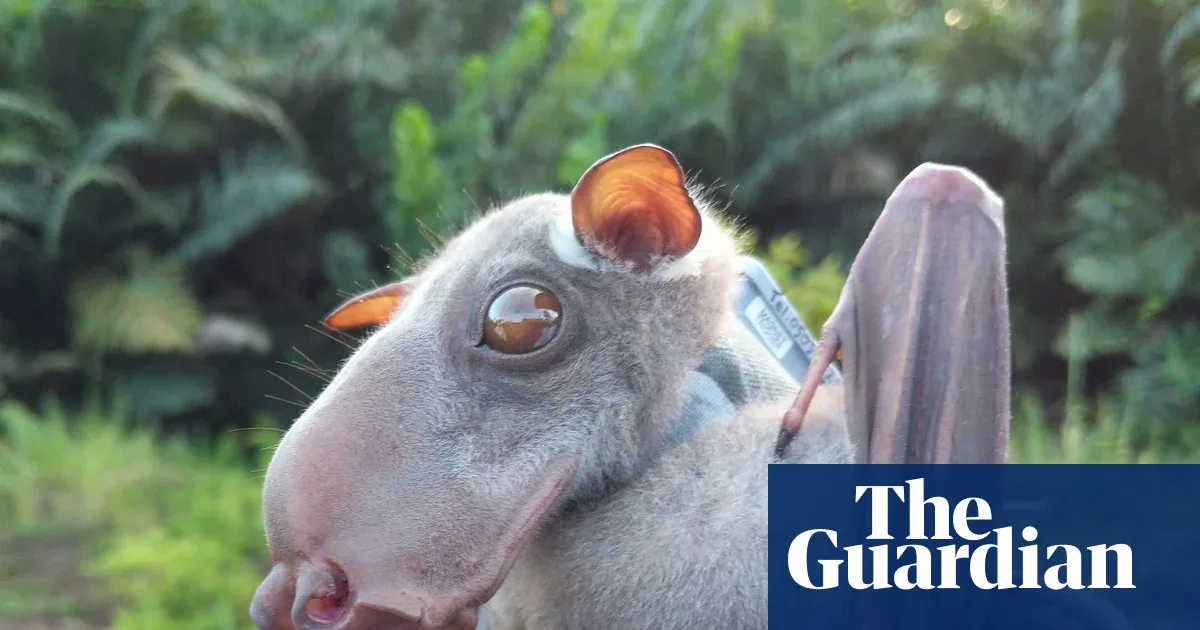
A monumental study published in the journal Nature overturns long-held assumptions about the origins of bats. More than 130 scientists from various countries concluded that these flying mammals first appeared in Europe around 65 million years ago, not in Africa, Asia, or North America as previously believed. The findings not only rewrite the mammalian family tree but also open new avenues for medical research, including the treatment of cancer and infectious diseases.
The research, part of the global Bat1K project, analyzed 103 bat genomes from 21 families, plus 44 bat fossils—mostly teeth—unearthed from various parts of the world. The results show that the ancestors of modern bats spread from Europe to Africa, then to Asia, the Americas, and Australia. Equally important, the ability to echolocate—a natural sonar for navigation—appears to have evolved almost simultaneously with the ability to fly, rather than emerging later as previously thought.
Sarah Olson, one of the study's authors and director of health research at the Wildlife Conservation Society, called bats "super amazing" creatures. According to her, the findings provide a kind of "book of life code" that allows scientists to understand why bats can coexist with deadly viruses such as Ebola, Nipah, and Marburg without falling ill. "How can they live with viruses that, when they enter our bodies, cause tremendous damage?" she said. That question now has a firmer genetic footing.
A separate 2025 study, also based on Bat1K data, revealed that the ancestors of early bats had overactive immune gene adaptations. Ariadna Morales, an evolutionary biologist involved in both studies, stressed that adaptations for virus tolerance and disease resistance most likely evolved alongside the emergence of all bats. "We show for the first time that these adaptations appeared together with the evolution of bats," she said.
"With the genetic information we found in bats, this can be used to develop therapies for zoonotic diseases. They can also serve as a model for developing cancer treatments." — Ariadna Morales, evolutionary biologist
Bats are indeed unique among mammals: despite their small bodies, they live very long lives and rarely show signs of aging or cancer. Scientists can now trace the genes that control these traits. According to Morales, this understanding could become a breakthrough in research on aging, immunity, and disease resistance in humans. Olson added that the research also helps answer "what makes bats healthy and what makes them vulnerable."
However, behind this great potential, bat populations are under severe pressure. About half of known species have unknown or declining populations, and 18% fall into the threatened category according to the International Union for the Conservation of Nature (IUCN). Liliana Dávalos, a conservation biologist at Stony Brook University, warned that the climate crisis, habitat loss, and hunting and persecution are the main threats. "Unlike other small mammals, almost all bats give birth to only one or two young, so when individuals die from extreme temperatures or are killed, populations cannot recover quickly," she explained.
In the United States and Canada, millions of bats have died from white-nose syndrome, a fungal disease that attacks the skin of hibernating bats. Olson hopes the research can help reveal why Myotis species are more susceptible to the fungal disease. Meanwhile, in Indonesia, bats play a crucial ecological role as plant pollinators and controllers of insect populations, including mosquitoes. The loss of bat populations can have a direct impact on agriculture and public health. With its rich biodiversity, Indonesia has the potential to be an important location for further research, especially in understanding bat-virus interactions in tropical regions.
Going forward, the big question is how these findings will be translated into real therapies for humans. Can bats' disease-resistance genes be replicated or harnessed to strengthen the human immune system? And amid growing environmental pressures, can we protect bats—an invaluable source of scientific insight—before it is too late?