Meta Quest 3 Is Not Just Cheap: GPU on Par With Radeon R9 290, but More Efficient
Baca dalam 60 detik
- Headset Meta Quest 3 dibekali chipset Snapdragon XR2 Gen 2 dengan GPU Adreno 740 yang kemampuannya mendekati kartu grafis desktop AMD Radeon R9 290.
- Meski performa setara GPU lawas, arsitektur tertutup dan optimasi khusus membuat Quest 3 sanggup menjalankan game VR hingga 120 fps dengan daya baterai dua jam.
- Efisiensi daya dan harga yang jauh lebih murah dari kompetitor menjadikan Quest 3 pintu masuk VR yang menarik, terutama di pasar Indonesia yang sensitif harga.
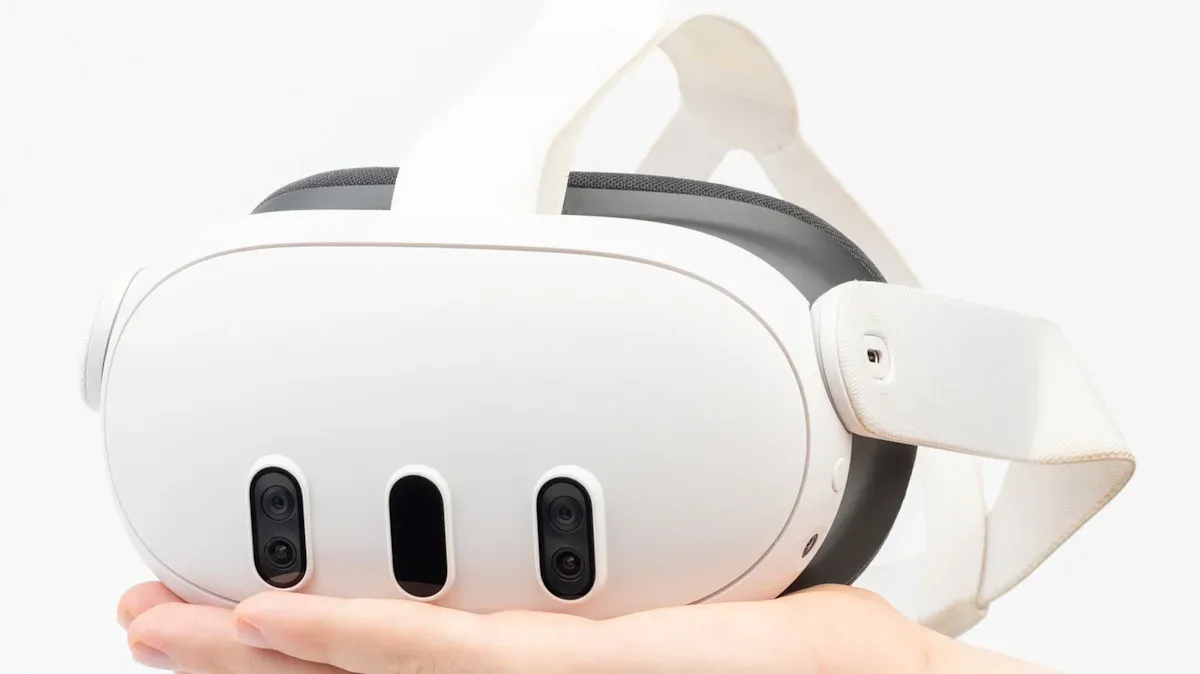
The Meta Quest 3 is often overlooked because it is seen as not a cutting-edge device. Yet behind that label, this headset packs a GPU whose capability is on par with the desktop graphics card AMD Radeon R9 290—a card released more than a decade ago. This fact matters for consumers who want to enjoy VR without digging deep into their pockets.
The Quest 3 is powered by the Qualcomm Snapdragon XR2 Gen 2 chipset with an integrated Adreno 740 GPU and 8GB of memory. These specs may sound modest, but its capability is twice that of the Quest 2. That improvement stems from the use of pancake lenses that allow a more compact body, plus a display refresh rate of up to 240Hz—a figure that is very respectable for a standalone VR device.
According to Meta developers, the GPU power of the Quest 3 matches the requirements of the Rift headset running on AMD-based machines, which is identical to the Radeon R9 290. That older card has 2560 shader units, 4GB of GDDR5 memory, and a 512-bit bus with 320 GB/s of bandwidth. If that is still confusing, put simply: the Quest 3 GPU is faster than the base PlayStation 4.
The comparison with the R9 290 does feel odd because that card is outdated and only supported by old drivers. Yet that is precisely where the appeal of the Quest 3 lies. The R9 290 requires 6-pin and 8-pin power connectors and a 275-watt PSU just to operate. The Quest 3 produces similar graphics output with a two-hour internal battery. This is proof that the efficiency of modern system-on-a-chip (SoC) architecture has changed the landscape of graphics computing.
“The Quest 3's performance is deceptive because its ecosystem is closed. Developers only need to optimize games for a single Snapdragon hardware profile, much like a game console,” said a Meta developer in a statement quoted from a technology source.
Thanks to that optimization, many Quest 3 games can run at 120 frames per second—something the R9 290 cannot match in modern VR titles. The Quest 3 also does more than render gameplay; the device continuously processes mixed reality data in real time. Apps such as Laser Dance and various essential MR applications use dual 18 PPD color passthrough cameras and a depth sensor to blend virtual elements with physical space. This processing load is far heavier than that of a conventional gaming PC.
For the Indonesian market, the arrival of the Quest 3 offers an attractive option amid a VR trend that is starting to draw interest for education, industrial training, and home entertainment. The Quest 3's price, far more affordable than the Apple Vision Pro—about six times cheaper—makes it more accessible. However, challenges remain: the local content ecosystem and the readiness of digital infrastructure still need improvement so that this device does not become merely an expensive gadget.
Looking ahead, a question arises: can Meta deliver a Quest successor with a GPU on par with the Radeon RX 9070 XT, AMD's current flagship card, without sacrificing battery life? If so, the line between standalone VR and high-end PCVR will grow even thinner. Meanwhile, the Quest 3 has proven that innovation is not only about raw specifications, but about how they are combined into an efficient and affordable experience.