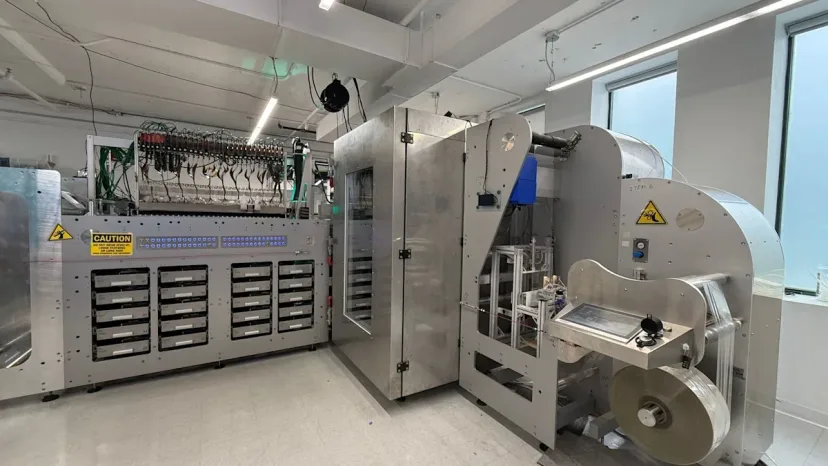
OpenAI Wiretapping Scandal: Saudi National Defendant Linked to Royal Family, US Denies Bail
Baca dalam 60 detik
- Abdulrahman Alfozan, warga Saudi yang bekerja di OpenAI, dituduh menyadap ruang rapat eksekutif dan berkomunikasi intens dengan anggota keluarga kerajaan Saudi.
- Jaksa menilai Alfozan berisiko melarikan diri karena dukungan penuh dari pemerintah Saudi yang tidak memiliki perjanjian ekstradisi dengan AS.
- Kasus ini membuka diskusi tentang kerentanan perusahaan AI global terhadap spionase industri dan perlunya penguatan protokol keamanan internal.
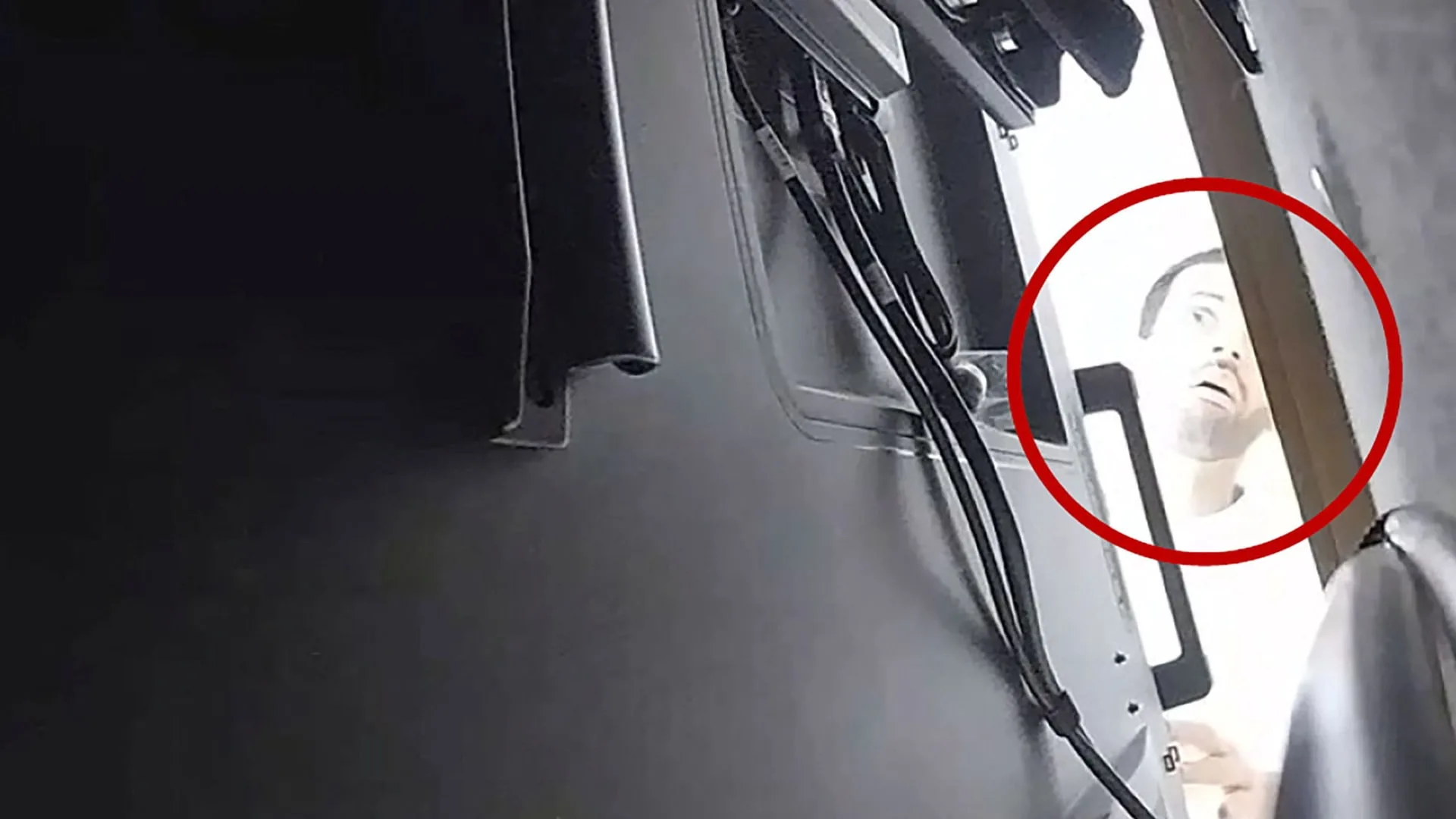
Abdulrahman Alfozan, a Saudi Arabian engineer working at OpenAI, faces serious charges after federal prosecutors revealed his intense communications with a member of the Saudi royal family ahead of his arrest. In court filings submitted Sunday (19/10/2026), US authorities stated that Alfozan communicated via WhatsApp with a Saudi noble throughout 2025 and 2026, including four days before he was arrested on 9 October.
Prosecutors from the US Attorney's Office in San Francisco asserted that Alfozan, who had worked at OpenAI since July 2025, installed a recording device in an executive conference room often used to discuss confidential company information. The device was found hidden behind a television and allegedly recorded sensitive conversations between OpenAI executives and government officials. The allegation has raised concerns that the incident could compromise US national security.
In the same filing, prosecutors revealed that the Saudi noble sought to recruit Alfozan to join Saudi Arabia's artificial intelligence initiative. A message in May 2026 even said, "Saudi needs you more than the US!" which Alfozan approved. Nevertheless, there is no evidence indicating that the noble ordered the installation of the wiretap or the theft of information.
The case highlights the vulnerability of global technology companies to state-backed espionage. OpenAI, which has been in the global spotlight thanks to its AI innovations, must now confront the reality that its meeting rooms were a target of intelligence operations. Prosecutors argued that Alfozan has access to "abundant resources" and support from a foreign government that has no extradition treaty with the US, making him a potential flight risk. They therefore asked the judge to detain Alfozan without bail.
Alfozan's lawyer, William Pernik, denied that his client is a flight risk. He stressed that Alfozan has lived in the US for 15 years and has strong community ties, with 54 letters of support describing him as someone who actively helps others. Pernik also noted that Alfozan knew his device had been found eight to ten days before the arrest, yet he did not flee. A hearing to determine his detention status is scheduled for Monday (20/10/2026) at the US District Court in San Francisco.
"The defendant's actions could pose a danger to the national security of the United States," the prosecutors stated in the court filing.
For Indonesia, this case is a reminder that cross-border technology and data flows are increasingly vulnerable to foreign interests. Domestic startups and research institutions need to tighten physical and cyber security protocols, especially those developing strategic technologies such as artificial intelligence. The government is also urged to strengthen data protection regulations and international cooperation in handling industrial espionage.
Going forward, Alfozan's trial will test whether the US judicial system can handle a case involving a state actor with substantial resources. Meanwhile, OpenAI and other AI companies are called on to be more transparent in managing internal security risks. Will this case trigger a wave of stricter background checks for foreign employees at global technology companies? The public awaits the answer.