Aaron Sorkin Opens Up About The Social Reckoning: Trump Unnamed, Focus on Facebook
Baca dalam 60 detik
- Aaron Sorkin menegaskan tidak ada tekanan dari pihak mana pun untuk tidak menyebut nama Donald Trump dalam film barunya.
- The Social Reckoning menyoroti peran Facebook dalam menyebarkan disinformasi dan memicu perpecahan sosial di AS.
- Sorkin melakukan reshoot untuk menyempurnakan film, bukan karena respons negatif terhadap trailer.
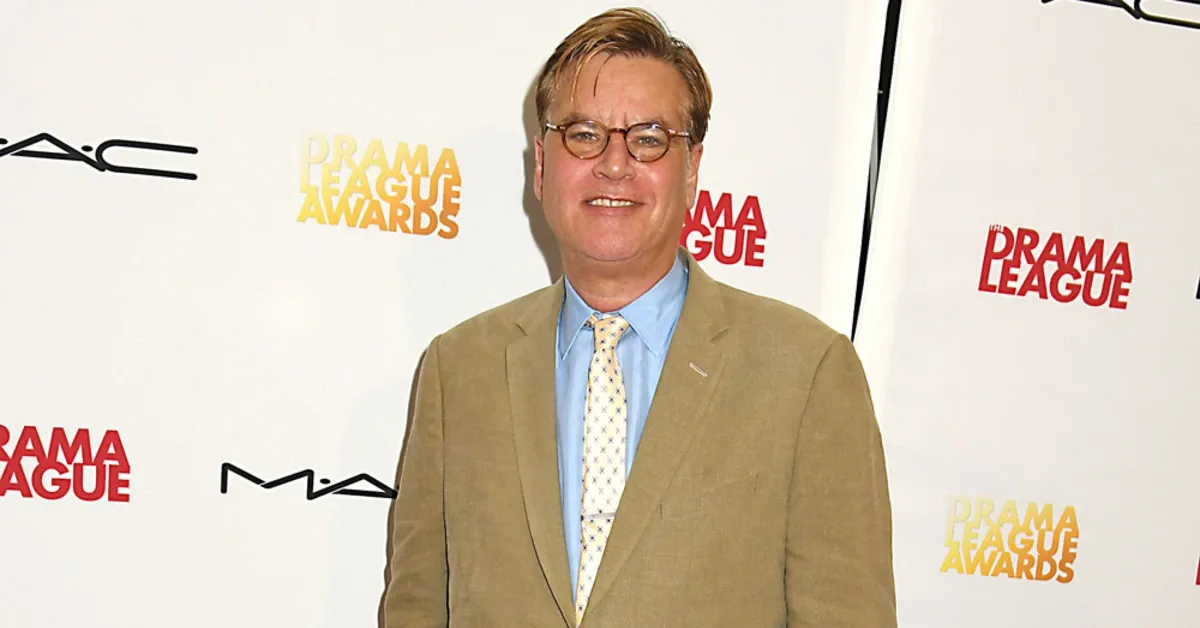
Renowned Hollywood screenwriter and director Aaron Sorkin has finally spoken about his decision not to mention Donald Trump by name in his latest film, The Social Reckoning. In an interview with Vanity Fair, Sorkin stressed that no one asked him to avoid the name of the former President of the United States. “I want to be clear: I was never asked not to mention Trump,” he said.
The film reconstructs the Capitol riot on January 6, 2021, which was triggered by Trump supporters protesting the certification of Joe Biden's victory. Even so, Trump's name never appears, nor do campaign symbols such as “Make America Great Again”. Sorkin explained that the decision was made deliberately because the film's focus is not on practical politics, but on Facebook's role in fueling division, extremism, and hyperpartisanship in the US.
“I handed in the script and two days later met with Tom Rothman of Sony Pictures. Without being asked, I promised there would be no Trump attributes,” Sorkin said. He added, “This film is about Facebook's role and the rise of division, extremism, and hyperpartisanship. It's not about red-blue, even though people will see it that way.”
The Social Reckoning tells how Frances Haugen, played by Mikey Madison, leaked tens of thousands of documents revealing that Facebook was aware of its negative social impact and its role in spreading misinformation linked to political violence. The story has drawn attention for touching on the ethics of digital platforms and the responsibility of technology companies.
Sorkin also addressed the reshoots done after the trailer was released. He stressed that the reshoots were not a response to the mixed reactions to the footage, but an effort to refine the film. “There are two kinds of reshoots: the first is because you're in trouble, and the second is because you really love the film and want to make it better. This is the second kind,” he explained.
“I was never asked not to mention Trump. I promised without being asked that there would be no Trump attributes in this film.” – Aaron Sorkin
One of the changes made was a line by a senior Facebook executive who originally said, “I don't know what he was thinking.” However, the film's legal counsel asked for the line to be changed because there was no evidence that a Facebook executive had ever used that crude word about a former employee. “The lawyer said, ‘Unless you can show evidence, you can't use that line.’ So we changed it,” Sorkin said.
The creator of The West Wing also revealed that the studio was very protective of the film's secrecy. The limited test screening was attended by only 70 people at Sony's office, all Sony employees. “That's not a representative sample,” he joked.
Indonesian Context
For the Indonesian film industry, Sorkin's approach of raising social issues without dragging in a specific politician's name could be a lesson. A film that criticizes digital platforms and their impact on society remains relevant, especially amid rising social media use in Indonesia. The issue of disinformation and polarization is also a challenge ahead of elections. The Social Reckoning may not mention Trump, but its message about the dangers of algorithms and the spread of hate still resonates, including in Indonesia.
Going forward, the film will be a test for Sorkin in balancing political and social narrative. Can audiences accept a film that criticizes Facebook without touching on a controversial political figure? Or will the opposite happen, with Trump's absence making the film feel less sharp? Either way, The Social Reckoning will be a mirror of how Hollywood views the responsibility of digital platforms in modern democracy.