House Pushes Ombudsman to Disclose Identity of Whistleblower in Cibinong Prison Luxury Facilities Case
Baca dalam 60 detik
- Anggota Komisi II DPR Bob Andika Mamana Sitepu meminta Ombudsman RI mempublikasikan identitas pelapor temuan fasilitas mewah di Lapas Cibinong.
- Permintaan ini muncul untuk mencegah anggapan bahwa temuan Ombudsman direkayasa, sekaligus mendorong transparansi pengawasan layanan publik.
- Ombudsman didesak menyusun roadmap pengawasan yang jelas agar seluruh instansi, termasuk pemda, memahami standar pelayanan publik.
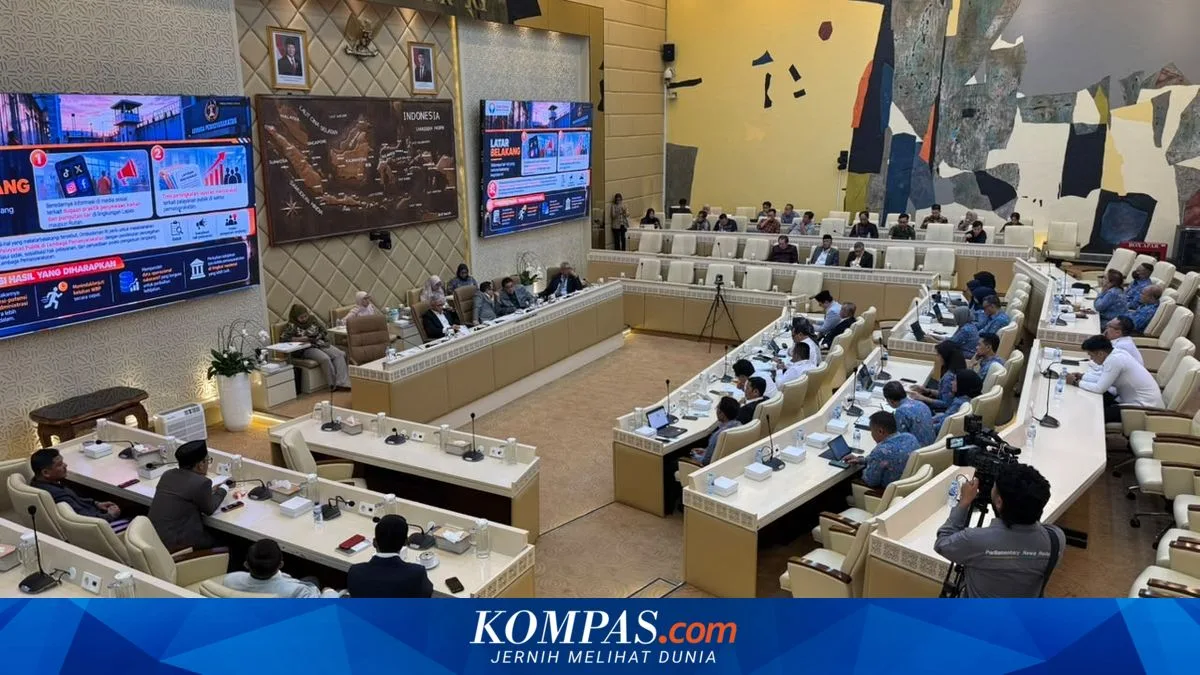
Member of Commission II of the Indonesian House of Representatives (DPR RI) Bob Andika Mamana Sitepu has asked the Indonesian Ombudsman (Ombudsman RI) to disclose the identity of the party that reported the discovery of luxury facilities at Cibinong Prison in West Java. The request was made during a hearing between Commission II of the DPR and Ombudsman RI in Jakarta on Tuesday (29/9/2026). According to Bob, disclosing the whistleblower's identity is important so the public does not suspect the findings were fabricated by the oversight body.
"Going forward, it must be clear who reported it, and it must be published," said the PDI-P politician, as quoted from the meeting. He argued that without transparency, there is a risk of the perception that the Ombudsman merely 'concocts' its findings. He also reminded the Ombudsman to explain to the public what kinds of public service problems are worth reporting to the institution.
Bob believes the findings at Cibinong Prison will spark public expectations for the Ombudsman to investigate similar problems at other institutions. He therefore urged the Ombudsman to draw up a clear communication framework for the public. "This must serve as input so the Ombudsman can create an explanatory framework," he added.
Previously, Ombudsman RI revealed the discovery of luxury facilities at Cibinong Prison. During the second surprise inspection, the team found more than a dozen rooms or buildings equipped with complete household furnishings. The Ministry of Immigration and Corrections then denied the facilities were provided for certain inmates, calling them official residences for prison officials. Nevertheless, the ministry is still investigating whether there were any violations in the provision and use of the facilities.
This case highlights governance problems in correctional institutions that have long escaped public scrutiny. The Ombudsman's findings could serve as an entry point for reforming facility standards in prisons, while also testing the independence of the oversight body. On the other hand, the DPR's request to disclose the whistleblower's identity creates a dilemma: on one hand it promotes accountability, on the other it could endanger whistleblower protection if not governed by a safe mechanism.
"So that later there is no thinking that this is just the Ombudsman showing off. Going forward, this must serve as input," said Bob Andika.
In the same meeting, Bob also asked the Ombudsman to have a clear roadmap for public service oversight. According to him, the roadmap is needed so that all institutions, including regional governments, understand their obligations in providing services. "What exactly is the clear roadmap for public services, so that all institutions including regional governments understand what they will carry out," he said.
For readers in Indonesia, especially investors and business players, this development is relevant because the stability and quality of public services are the foundation of the investment climate. Uncertainty in rule enforcement in the corrections sector can create a perception of governance risk. Conversely, if the Ombudsman can follow up on its findings transparently and accountably, it could strengthen trust in the oversight institution and improve the image of law enforcement in the eyes of trading partners.
Going forward, the public will await the Ombudsman's next steps: whether it will disclose the whistleblower's identity, what protection mechanism exists for the whistleblower, and how far the improvement recommendations are carried out. Without clear follow-up, the discovery of luxury facilities at Cibinong Prison risks becoming a mere momentary spotlight, rather than a turning point for reforming corrections governance.