Behind the Actuarial Desk: When the Insurance Industry "Smooths" Climate Risk Numbers
Baca dalam 60 detik
- Seorang pemodel risiko di perusahaan asuransi global mengungkap tekanan internal untuk menurunkan proyeksi kerugian bencana demi menekan premi.
- Praktik ini berpotensi menciptakan celah besar dalam jaring pengaman keuangan, terutama saat bencana besar melanda.
- Otoritas jasa keuangan dan pelaku pasar di Indonesia perlu mewaspadai risiko serupa seiring meningkatnya frekuensi cuaca ekstrem.
A risk analyst working at one of the world's largest insurance companies has exposed a practice rarely revealed to the public: systematic pressure to cut projected losses from natural disasters so that premiums stay competitive. In his account to the Bureau of Investigative Journalism, he said the figures that should form the scientific basis for pricing policies are instead often "smoothed" to win market competition.
The practice is not merely an internal ethical violation. If loss projections are deliberately lowered, insurers carry far greater risk than is reflected in the price at which policies are sold. When a major disaster actually strikes—whether a flash flood, a wildfire, or a tropical storm—the funds available for claims can fall far short. The impact ripples through the entire financial system: companies go bankrupt, property markets seize up, and banks holding residential credit portfolios face the risk of default.
According to the account, the pressure comes from within the industry itself. Risk modelers, actuaries, and researchers are often seen as "disturbers" of the business process rather than an essential part of risk management. Yet they are the ones who should serve as the emergency brake so the industry does not get caught up in financial gambling. "If this happens at my company, which struggles to compete with rivals' prices, then the same thing happens elsewhere," he said.
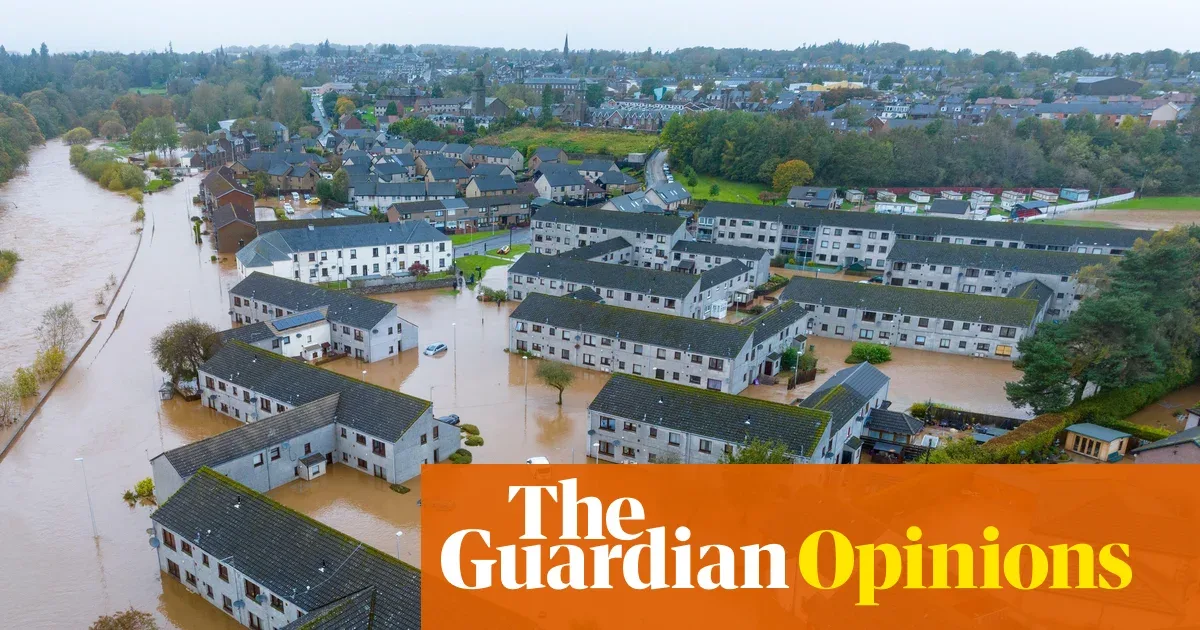
The concrete example he cites is subsidence worsened by drought. If a number of homes in an area suffer damage from subsidence, insurers can issue an exclusion clause for that risk. When an entire community is affected, businesses leave, investment dries up, and the local economy collapses. Imagine that scenario happening simultaneously in many cities—that is what an industry turning a blind eye to the data is setting up.
"We are the safety mechanism that keeps this industry from reckless gambling. But now, we are seen as an obstacle to deals."
For Indonesia, this warning is not idle talk. As an archipelagic country prone to earthquakes, floods, and sea-level rise, the pricing of property and infrastructure insurance premiums depends heavily on credible risk models. Otoritas Jasa Keuangan (OJK) notes that general insurance premium growth in the property segment continues to rise, but insurance penetration against disaster risk remains low. If the practice of "smoothing" numbers also occurs here—or if global companies operating in Indonesia are exposed to similar risk—the impact could be systemic.
More worrying still, the public generally does not realize that their policies may not cover losses when a major disaster strikes. They have not budgeted for significant premium increases, let alone prepared for the possibility that their homes become uninsurable. Yet in recent years, a number of regions around the world have already experienced the "uninsurable" phenomenon—where insurers refuse to renew policies because the risk is too high.
The question is, how long can regulators and market players keep covering up this vulnerability? When the next major disaster hits, will the insurance industry still have enough funds to pay all claims? Or are we heading toward a financial crisis triggered by the illusion of cheap prices?