Khalis Merah and Lyon's Youth Goal Tradition: Third Place in Europe
Baca dalam 60 detik
- Khalis Merah menjadi pemain Lyon ke-21 di bawah usia 20 yang mencetak gol di Ligue 1, membawa klub ke posisi ketiga dalam sejarah pencetak gol muda.
- Lyon menempati peringkat ketiga di antara klub-klub Eropa dengan 21 pemain muda pencetak gol, di belakang Monaco (25) dan setara dengan Toulouse (21).
- Dengan 70 gol dari remaja, Lyon berada di posisi ketiga di belakang Monaco dan klub lain, menunjukkan kekuatan akademi mereka.
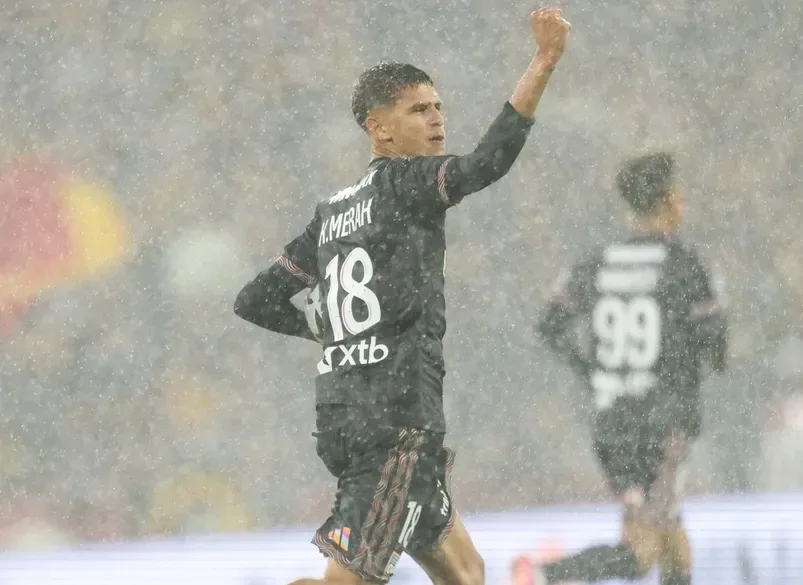
Khalis Merah wrote his name into Olympique Lyonnais history by becoming the 21st player under the age of 20 to score in Ligue 1 McDonald's. His goal against Lens last weekend, though it did not save the team from defeat, underlined Lyon's position as one of the most prolific clubs in producing young forwards in France.
The player, aged 19 years and 227 days, scored on his 25th appearance in the French top flight. He is the 16th youngest player on Lyon's list of young scorers, far behind Rémi Himbert, who scored a day after his 18th birthday on 1 March 2026 in the Classique. Merah sits just one place ahead of Rayan Cherki in the club's 21st-century history.
At club level, Lyon are in the top three alongside Toulouse and Monaco. Les Gones match Les Pitchouns with 21 young scorers, but still trail Monaco, who have 25 players. In terms of total goals scored by teenagers, Lyon have 70, more than Toulouse (39) but still below Monaco, who sit firmly at the top.
"Khalis Merah becomes Lyon's 3rd player under 20 after Himbert and Endrick to score in Ligue 1 McDonald's in 2026," wrote the Ligue 1 editorial team.
Lyon's position owes much to Karim Benzema's contribution. The Ballon d'Or winner scored his first goal in March 2006 against AC Ajaccio at the age of 18 years and 75 days. He then became Ligue 1's top scorer in the 2007/2008 season with 20 goals before turning 20. Benzema's trail laid the foundation for Lyon's reputation as a crucible for young forwards.
For Indonesian football, this phenomenon can serve as a mirror. Clubs in the country often rely on senior players, while academies have yet to consistently give space to young talent. Lyon show that investing in young players is not only about short-term results, but also about resale value in the transfer market. If Liga 1 wants to raise its competitiveness, giving playing minutes to U-20 players is a strategic step that cannot be delayed.
Looking ahead, the question is: can Lyon maintain this tradition amid financial pressure and fierce competition? Or will another club overtake them? What is clear is that history records Lyon not merely as a club, but as a factory of young forwards ready to shine on the European stage.