House Commission Asks for Open Explanation of BPKH Forensic Audit, Warns Against Sacrificing Pilgrim Services
Baca dalam 60 detik
- Komisi VIII DPR meminta pemerintah membeberkan alasan di balik wacana audit forensik terhadap pengelolaan dana haji sebelum langkah itu dijalankan.
- Legislator menekankan audit tidak boleh menjadi alasan menunda pembenahan layanan bagi calon jemaah, mengingat dana yang dikelola menyangkut kepentingan jutaan orang.
- Pengawasan ke depan diarahkan pada penguatan tata kelola dan koordinasi lintas lembaga, bukan sekadar reaksi atas isu yang berkembang.
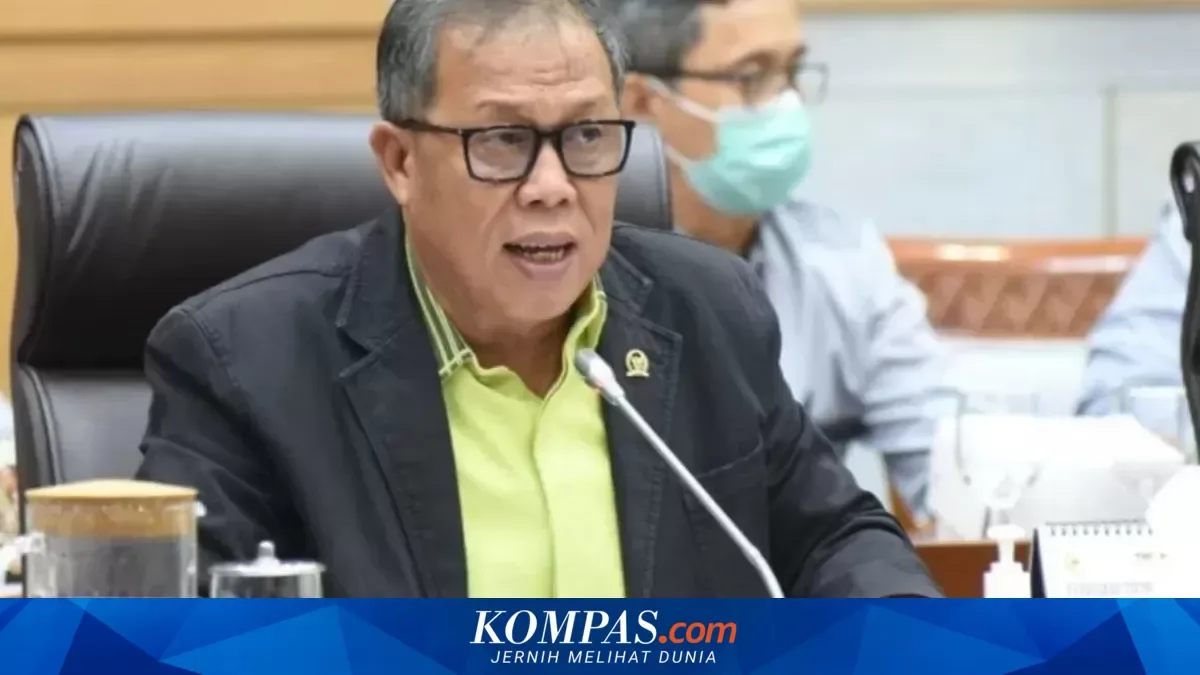
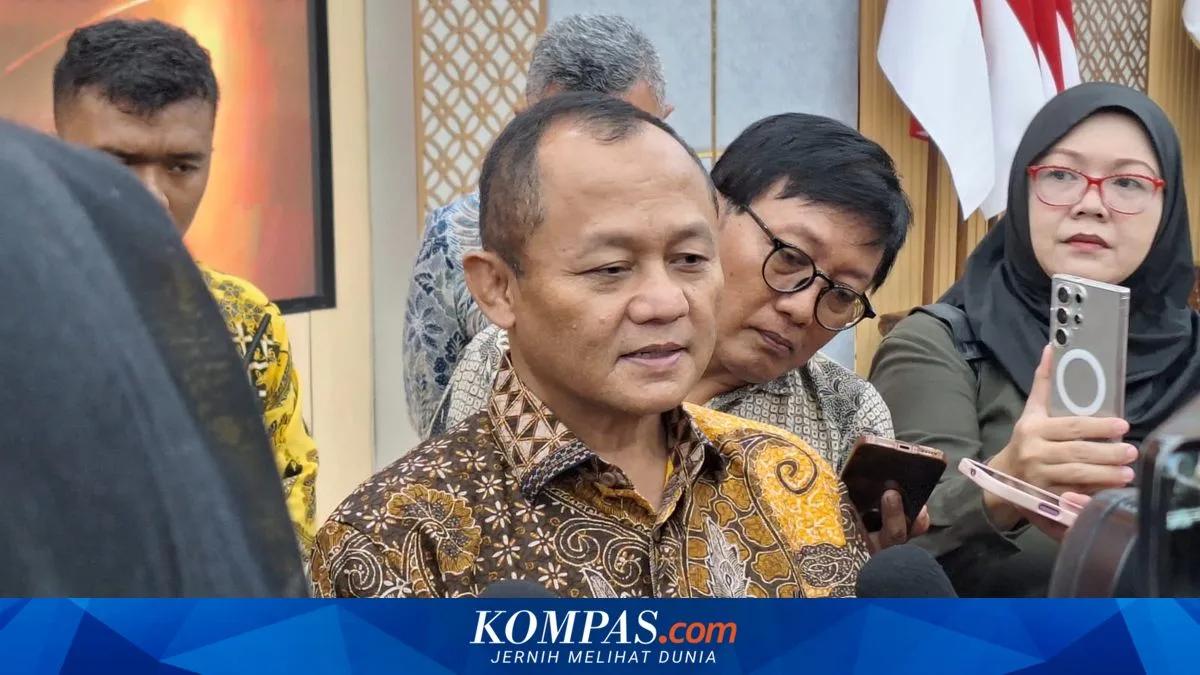
Deputy Chair of Commission VIII of the Indonesian House of Representatives (DPR RI) Abidin Fikri has asked the Ministry of Hajj and Umrah (Kemenhaj) to openly explain the reasoning behind the proposed forensic audit of the Hajj Fund Management Agency (BPKH). The request was made at the DPR Building in Senayan, Jakarta, on Tuesday (29/9/2026), stressing that any oversight measure must not come at the expense of improving services for pilgrims.
According to Abidin, Commission VIII is not closing the door on a forensic audit. However, he stressed that the instrument must rest on a clear basis, concrete indications, and a firm legal framework. Without that, he said, the audit could create institutional confusion and disrupt the ongoing organization of the hajj pilgrimage.
The PDI-P politician reminded that hajj funds are not merely state financial assets. They are a public trust holding the deposits of millions of prospective pilgrims, so every oversight step must be measured by its benefit to pilgrims' trust and interests, not by momentary attention.
"Hajj funds are pilgrims' funds, not merely financial assets. All oversight, including a forensic audit, must be directed at strengthening public trust and ensuring fair value for pilgrims," Abidin said.
He also highlighted the oversight pattern that has been in place. According to him, the control function over BPKH should be preventive and continuous, not reactive to issues that flare up. Most importantly, he said, it is not about who conducts the audit, but whether the oversight results can answer public questions about the security, productivity, transparency, and real benefits of hajj fund management.
In his remarks, Abidin detailed five Commission VIII directives to the government. First, the government is asked to openly explain to the public whether a forensic audit of BPKH is urgent or not. This directive implies that public communication is an inseparable part of the oversight process, not a supplement after a decision is made.
For readers in Indonesia, especially prospective pilgrims and families preparing for departure, this issue touches on two things at once: certainty of service and a sense of security over funds deposited over many years. The forensic audit discourse, if not communicated well, risks sowing doubt in society even though management is judged administratively sound.
From a market perspective, BPKH is one of the largest fund managers in the country, with a portfolio touching the financial sector, investment, and sharia instruments. Uncertainty about the direction of oversight could affect the perception of investment partners and financial institutions that have partnered with the agency. Therefore, clarity on the audit's legal framework matters not only for pilgrims but also for the stability of the national sharia financial ecosystem.
Abidin added that Commission VIII will continue to oversee improvements in hajj financial governance through strengthened regulation and cross-agency coordination, including with Kemenhaj, BPKH, and the Supreme Audit Agency (BPK) as the state auditor. He argued that such collaboration is more effective than launching a forensic audit without measurable objectives.
What remains now is the question of transparency: how quickly the government lays out to the public the reasoning behind this audit discourse, and whether that explanation is convincing enough to preserve pilgrims' trust while accelerating the long-awaited improvements in hajj services?