US Begins Auto-Enrolling 60 Million Children's Accounts: Investment Policy Breakthrough or New Fiscal Burden?
Baca dalam 60 detik
- Departemen Keuangan AS mengusulkan regulasi yang memungkinkan pendaftaran otomatis anak-anak ke Trump Accounts mulai 1 Oktober 2026.
- Langkah ini diprediksi menambah lebih dari 60 juta rekening baru pada 2026, dengan tambahan sekitar 2 juta per tahun setelahnya.
- Inisiatif ini berpotensi memperluas akses investasi bagi keluarga berpenghasilan rendah, namun menimbulkan pertanyaan tentang kesiapan IRS dan dampak fiskal jangka panjang.
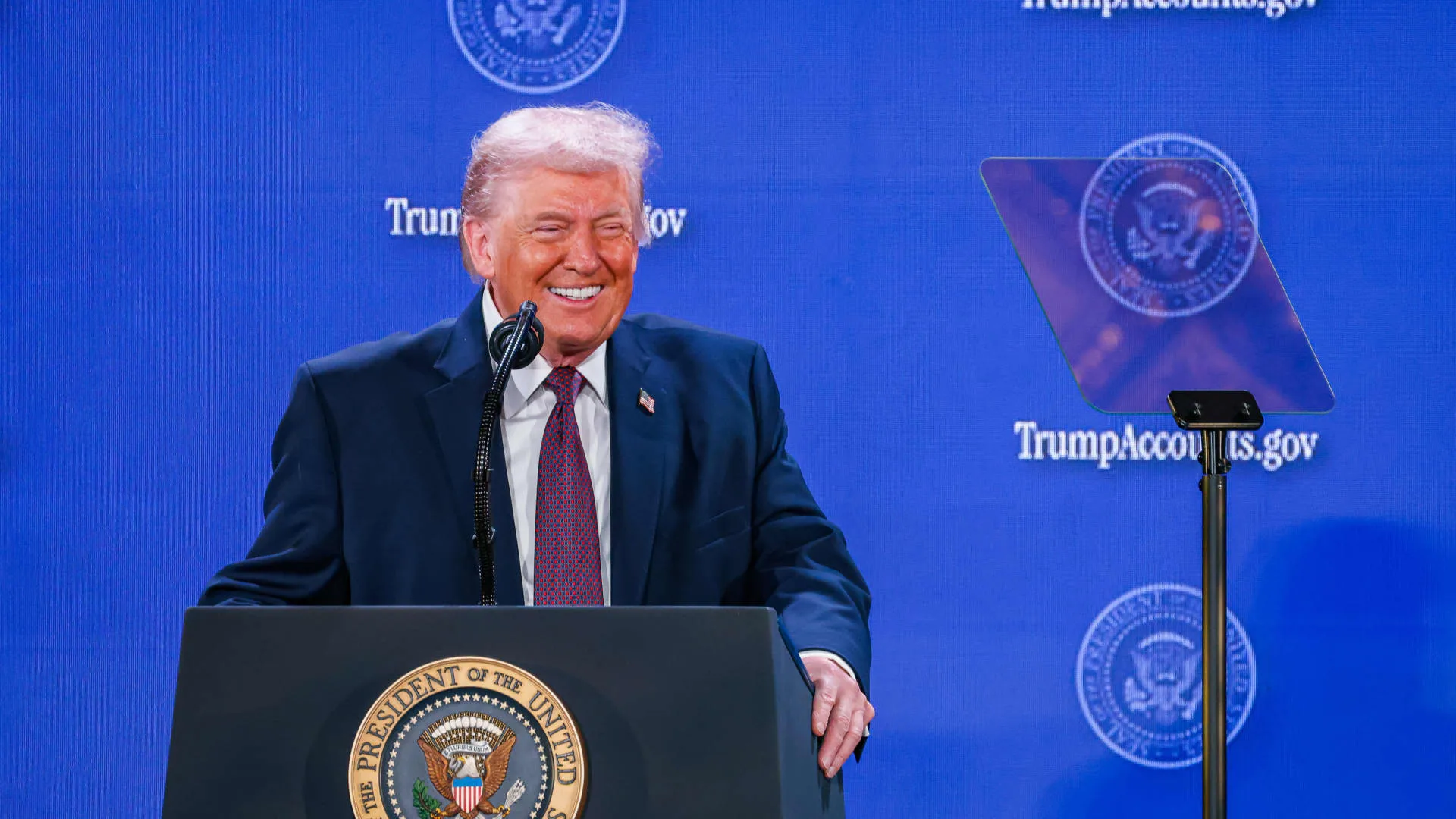
The United States Department of the Treasury has officially proposed a rule that would automatically enroll millions of children in a tax-free investment program, Trump Accounts, starting October 1, 2026. The move is expected to immediately add more than 60 million new accounts in the first year, according to an interim regulatory document released Tuesday (9/29).
The program, launched on July 4, offers a $1,000 initial deposit from the federal government for children born between 2025 and 2028. However, participation has so far been low because families must sign up themselves through IRS Form 4547 or the TrumpAccounts.gov website. Data from the nonprofit Commonwealth shows that only 5% of low- to middle-income families (below $80,000 per year) have opened an account. Treasury Secretary Scott Bessent, in a hearing with the House Financial Services Committee on September 15, stated that only 7–8 million children are currently enrolled, and he estimated that within a month the figure would surge to 70 million once the automatic system is running.
The shift to automatic enrollment is seen as a breakthrough for reaching groups that have long been hindered by bureaucracy. "This is definitely going to reach most parents and children," said Madeline Brown, a senior researcher at the Urban Institute, a think tank in Washington. Nevertheless, she cautioned that after enrollment, much work remains to build engagement and public awareness. Omeed Firouzi, director of the low-income taxpayer clinic at Temple University, added that automatic enrollment could have a positive impact for low-income families who often face obstacles in accessing tax relief. However, he doubted the ability of the IRS, which is undergoing budget and staff cuts, to execute this policy effectively.
The policy also highlights coordination between the Social Security Administration (SSA) and the IRS. The SSA had previously planned to enroll newborns at hospitals when parents apply for a social security number. With Frank Bisignano now leading both agencies, coordination is expected to be smoother. Last July, Treasury appointed Bisignano to lead the expansion of Trump Accounts, and last Friday the IRS recruited Joseph Velli, a former executive at Bank of New York and Convergex Group, as a senior adviser.
For Indonesia, this US move could serve as a mirror of how developed countries encourage early financial inclusion through fiscal incentives. Similar programs in Indonesia, such as education assistance or mandatory savings, still face similar challenges: low financial literacy and access for lower-income groups. If the US succeeds, pressure on developing countries to adopt a similar model could increase, especially within the framework of Indo-Pacific economic cooperation. However, without strong tax and population data infrastructure, replication in Indonesia risks implementation failure.
Going forward, the question is not only whether 60 million accounts can materialize, but whether those accounts are truly active and deliver long-term benefits. If they become merely numbers on paper without education and assistance, the program could end up as a new administrative burden. The US government needs to ensure that automatic enrollment is followed by a sustainable engagement strategy, especially for the families who need it most.