House Calls in Ombudsman and Imipas Ministry: Luxury Facilities Scandal at Cibinong Prison Heats Up
Baca dalam 60 detik
- Komisi XIII DPR RI menjadwalkan rapat dengar pendapat dengan Ombudsman RI dan Kementerian Imigrasi dan Pemasyarakatan pada Senin (28/9/2026) untuk mengklarifikasi temuan fasilitas mewah di Lapas Cibinong.
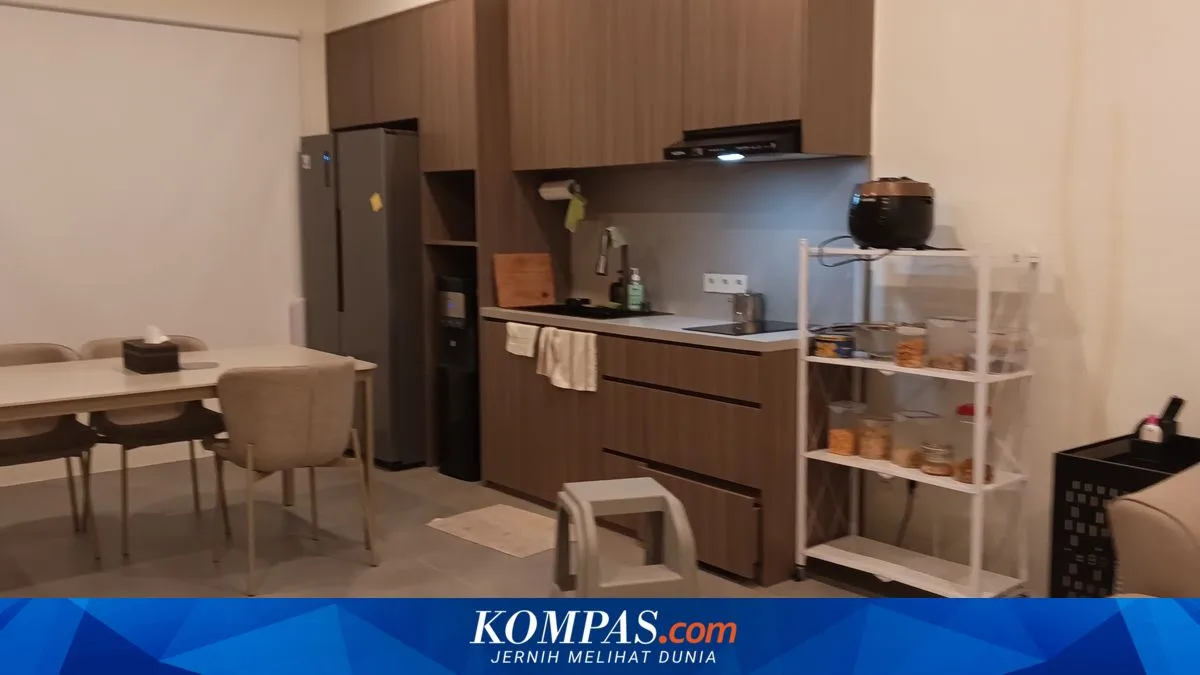
- Ombudsman menemukan lebih dari 10 kamar berfasilitas apartemen di area terpisah, memicu dugaan perlakuan istimewa bagi narapidana tertentu.
- Jika tidak segera dibenahi, polemik ini berpotensi mengikis kepercayaan publik terhadap sistem pemasyarakatan dan menimbulkan implikasi anggaran bagi kementerian.
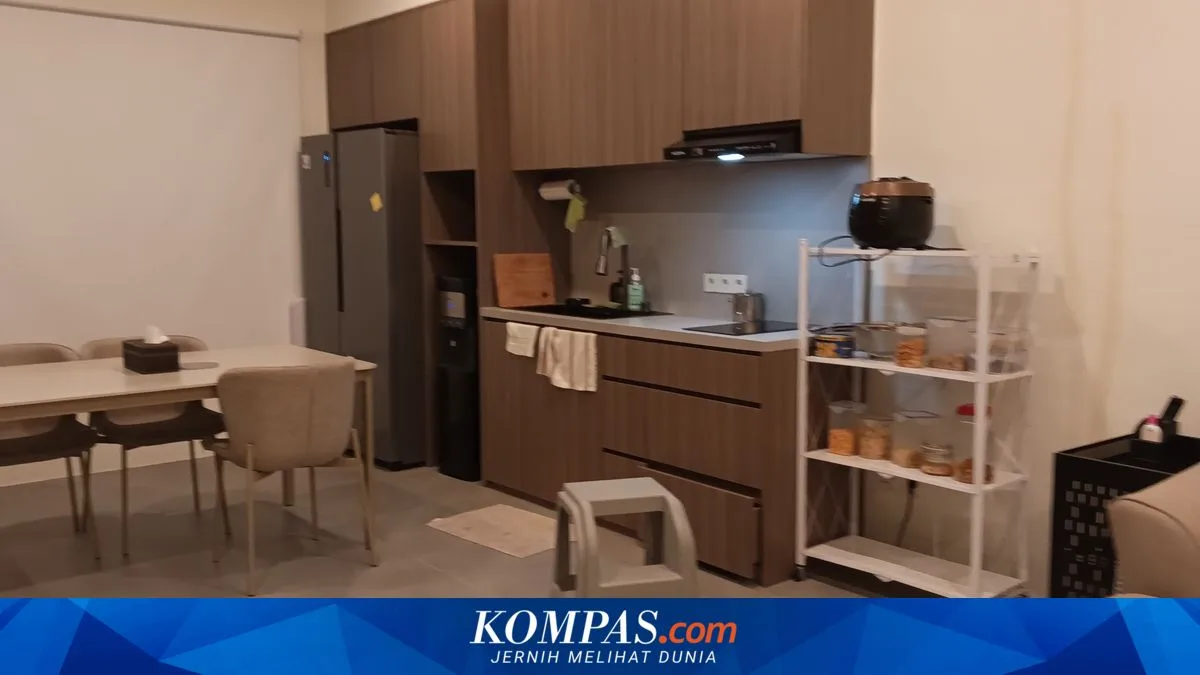
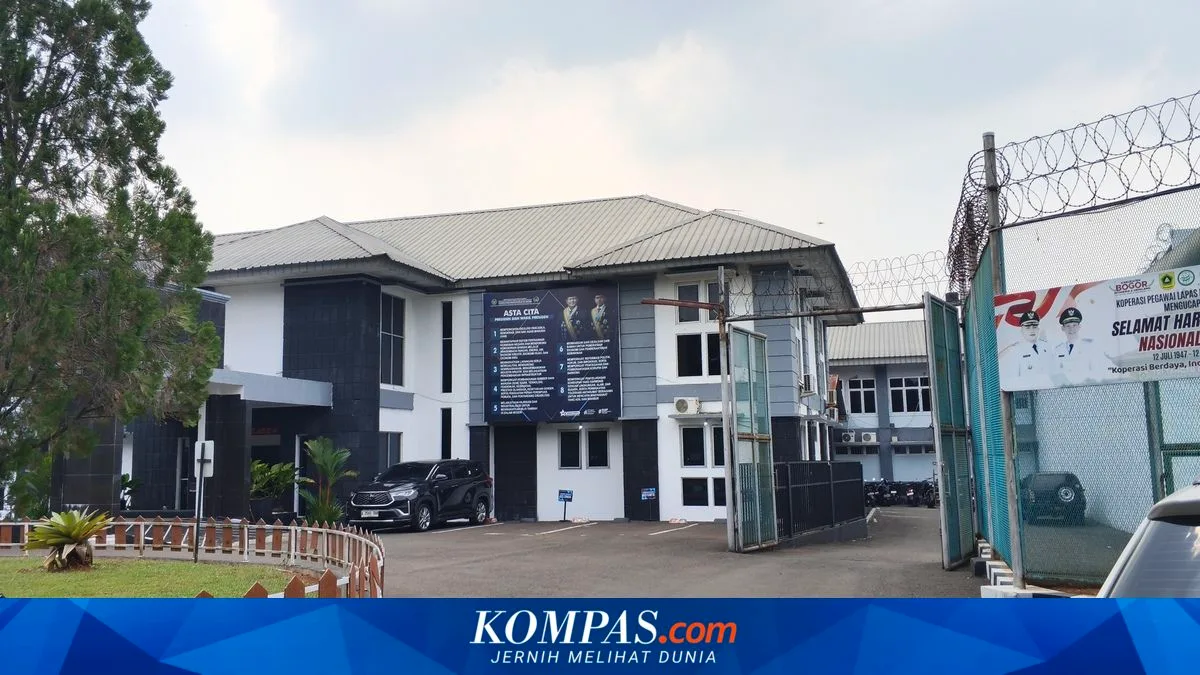
Commission XIII of the Indonesian House of Representatives (DPR RI) has officially scheduled a public hearing (RDP) with the Indonesian Ombudsman (Ombudsman RI) and the Ministry of Immigration and Corrections (Imipas) for Monday (28/9/2026) at 10.00 WIB. The move follows the discovery of allegedly luxurious living facilities at Cibinong Class IIA Prison, West Java, which has sparked a national controversy.
Deputy Chair of Commission XIII of the DPR RI, Sugiat Santoso, stressed that the meeting aims to confirm the discrepancy between the Ombudsman's findings and the explanation given by the West Java Corrections Regional Office. "We will invite the Ombudsman RI, the Director General of Corrections, the West Java Corrections Regional Office, and the Cibinong Prison Head," he said when contacted on Friday (25/9/2026). According to Sugiat, the meeting will serve as the basis for Commission XIII to visit the prison directly and draft recommendations for resolution.
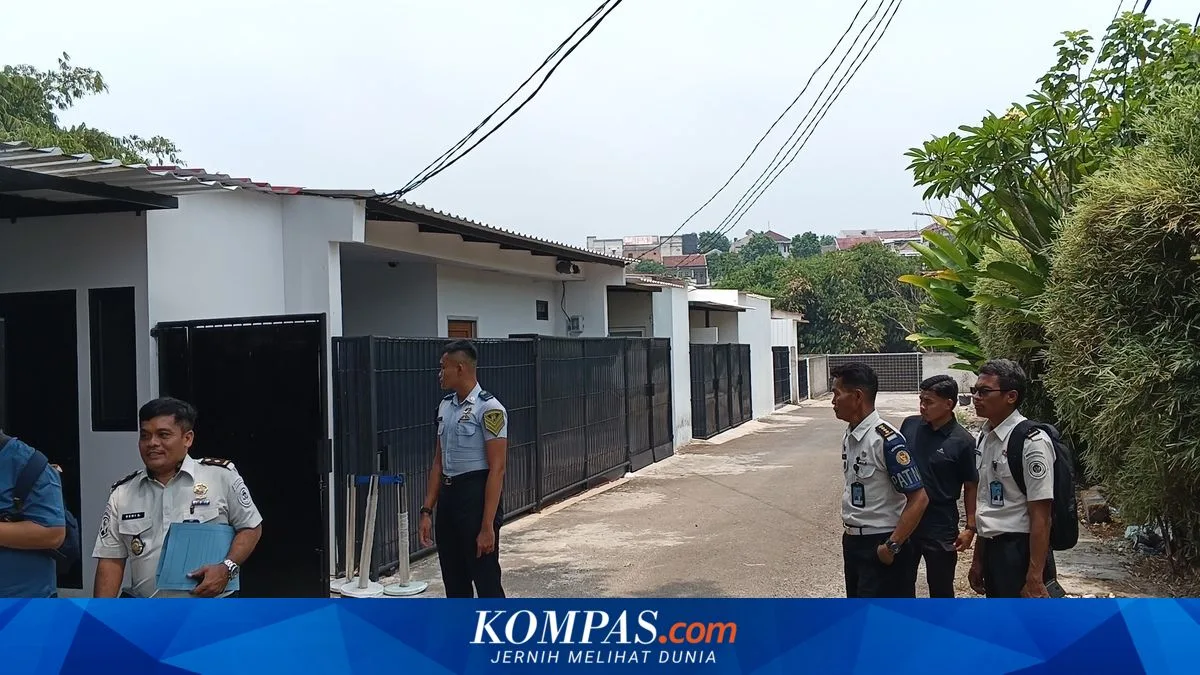
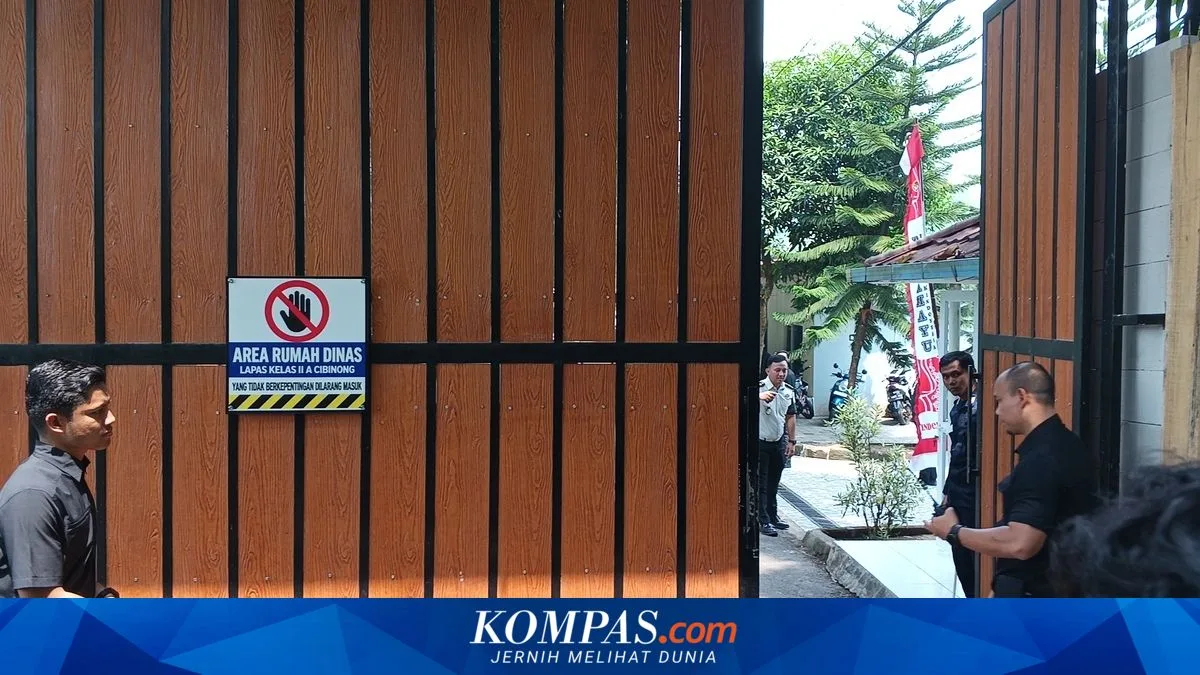
The findings were first disclosed by the Ombudsman RI on Wednesday (23/9/2026) after its second inspection of the year. During the first inspection, the Ombudsman team was not allowed to enter the area. Ombudsman RI member Fikri Yasin revealed that the facilities are located at the rear of the complex, separate from the general housing blocks. "We found buildings that should not exist inside the prison," Fikri said in a separate statement.
The controversy highlights weak internal oversight in correctional institutions. If special treatment did occur, it not only violates the principle of equality before the law but also risks stirring social envy among inmates. Furthermore, the findings could affect the budget allocation of the Ministry of Imipas, which has so far been claimed for the equitable improvement of prison facilities.
"We will make recommendations so that this problem is resolved and does not recur," Sugiat Santoso asserted, signaling the DPR's seriousness in overseeing the case.
For readers in Indonesia, especially professionals and investors, this case reflects the importance of transparency and accountability in the public sector. The reputation of law enforcement institutions can be damaged if such practices are allowed to continue. In addition, regulatory and oversight uncertainty in correctional institutions could pose operational risks for companies operating in security, construction, or services for prisons.
The DPR plans to conduct a direct inspection of Cibinong Prison after the hearing. The results of the review will form the basis for policy recommendations, including the possibility of a comprehensive audit of prison facilities across Indonesia. The Ombudsman itself has set a demolition deadline, which will be the first test for the Ministry of Imipas under its new leadership.
Going forward, the public will be watching whether Monday's meeting produces concrete steps or is merely political theater. Without firm action, this bad precedent could legitimize similar practices in other prisons. The question is, can the DPR and the Ministry of Imipas resolve this scandal without favoritism?