Evidence at Cibinong Prison Goes Missing, Ministry Pressed to Explain
Baca dalam 60 detik
- Kemenimipas menyelidiki hilangnya miras, simulator golf, dan peralatan gym dari klaster mewah Lapas Cibinong yang sebelumnya ditemukan Ombudsman.
- Inspektur Jenderal Rudi Setiawan mempertanyakan perbedaan kondisi lokasi saat ini dengan temuan awal, termasuk foto dan surat keputusan yang tidak lagi ada.
- Kasus ini menguji komitmen pemerintah dalam membenahi tata kelola pemasyarakatan yang selama ini rawan penyimpangan.

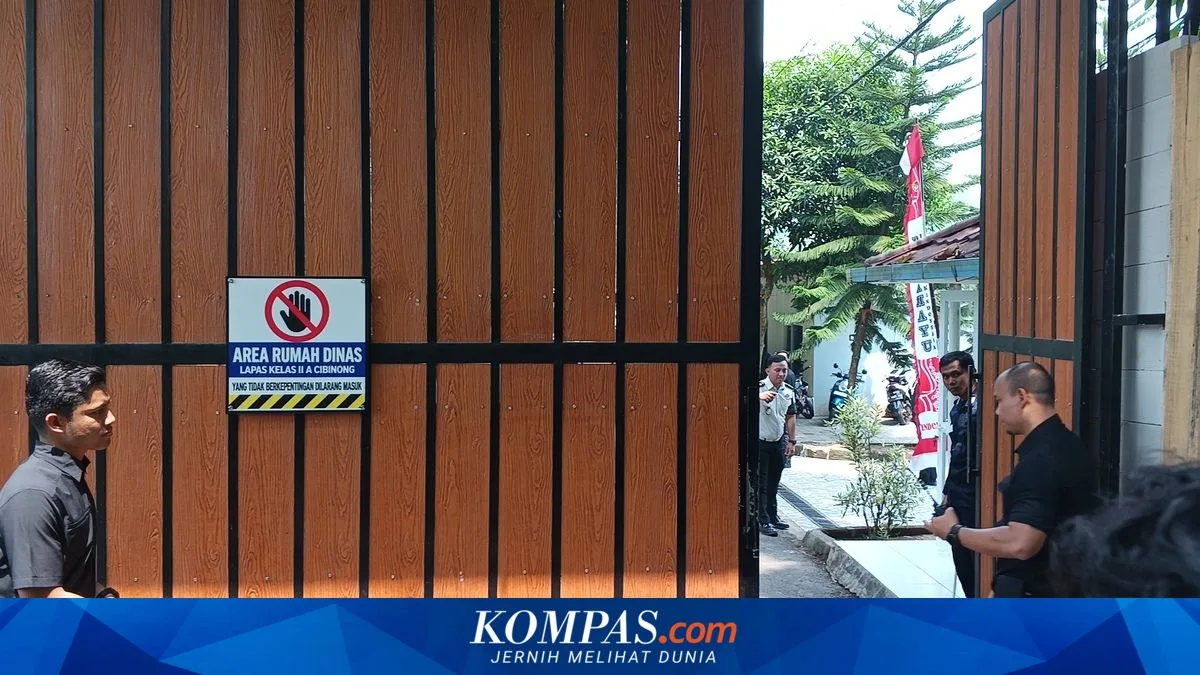
JAKARTA – The Ministry of Immigration and Corrections (Kemenimipas) is hunting for a number of items and facilities previously found by the Indonesian Ombudsman (ORI) at the Class IIA Cibinong Prison in Bogor Regency. The items, including liquor, a golf simulator, and fitness equipment, were no longer at the location during a re-inspection.
Inspector General of Kemenimipas, Rudi Setiawan, said his office wanted to know where the items had been moved and why they had disappeared. "Everything the Ombudsman found — liquor, the place suspected to be a golf simulator, the fitness area, photos, the refrigerator — is the object of our inspection," he said at a press conference in Cibinong on Saturday (26/9/2026).
Rudi even personally led the search at several points previously visited by the ORI team. He highlighted differences between the conditions his team saw and what the Ombudsman had presented. "There are several differences, and this is our focus," he added.
Besides the items, Rudi also questioned the disappearance of a photo previously displayed in one of the houses in the luxury cluster. He said he had found a decree (SK) related to the photo, but wondered why another person's photo could be there. "We have been searching for where the photo went. That is our target," he stressed.
This internal inspection is a follow-up to the Indonesian Ombudsman's findings highlighting luxury facilities inside the prison. The findings caused a public stir because they showed an apartment-like room with complete facilities, which should not exist in a correctional institution.
"We are committed to following up on all the Ombudsman's findings. We are hiding nothing," said Rudi.
The case is a test for Kemenimipas in improving prison governance, which has long been criticized for overcrowding, illegal levies, and facilities used for purposes other than their designation. The public is waiting to see whether this investigation will reveal the actors behind the disappearance of the evidence or merely end as a formality.
For investors and businesses, stability and legal certainty in the corrections sector also affect the investment climate, particularly regarding trust in law enforcement and government governance. If this case is not resolved, the image of bureaucratic reform could be tarnished again.
Going forward, Kemenimipas faces demands for transparency. Will it reveal who is responsible for the movement of those items, or will this investigation simply evaporate?