Ombudsman Finds Luxury Facilities at Cibinong Prison, Prison Chief and 4 Subordinates Questioned
Baca dalam 60 detik
- Kementerian Imigrasi dan Pemasyarakatan memeriksa Kepala Lapas Cibinong beserta empat pejabat strukturalnya setelah Ombudsman RI menemukan dugaan fasilitas mewah di dalam lapas.
- Pemeriksaan mencakup penelusuran asal-usul barang seperti minuman keras, alat fitness, kulkas, dan ruangan yang diduga digunakan sebagai simulator.
- Insiden ini menyoroti lemahnya pengawasan internal pemasyarakatan dan berpotensi mendorong reformasi tata kelola lapas di seluruh Indonesia.
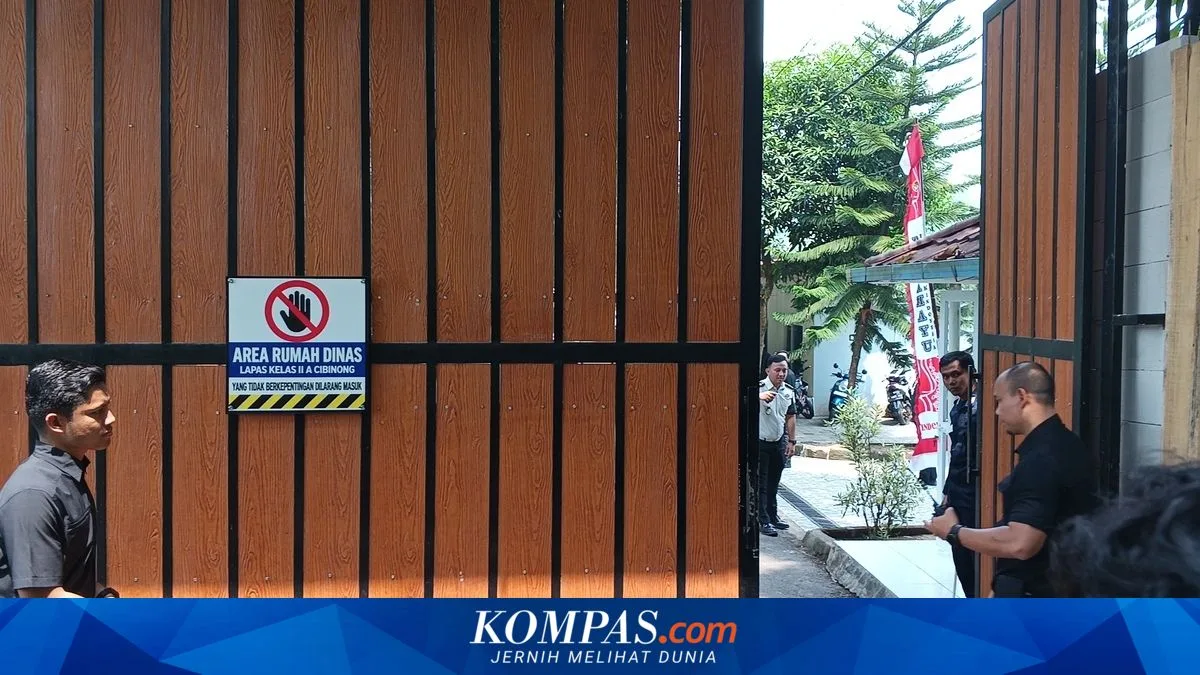
The Ministry of Immigration and Corrections (Imipas) has officially questioned the head of Cibinong Class IIA Prison, Wisnu Hani Putranto, along with four other structural officials. The move follows findings by the Ombudsman of the Republic of Indonesia revealing a number of luxury facilities inside the prison complex, raising serious questions about the management of detention centers across the country.
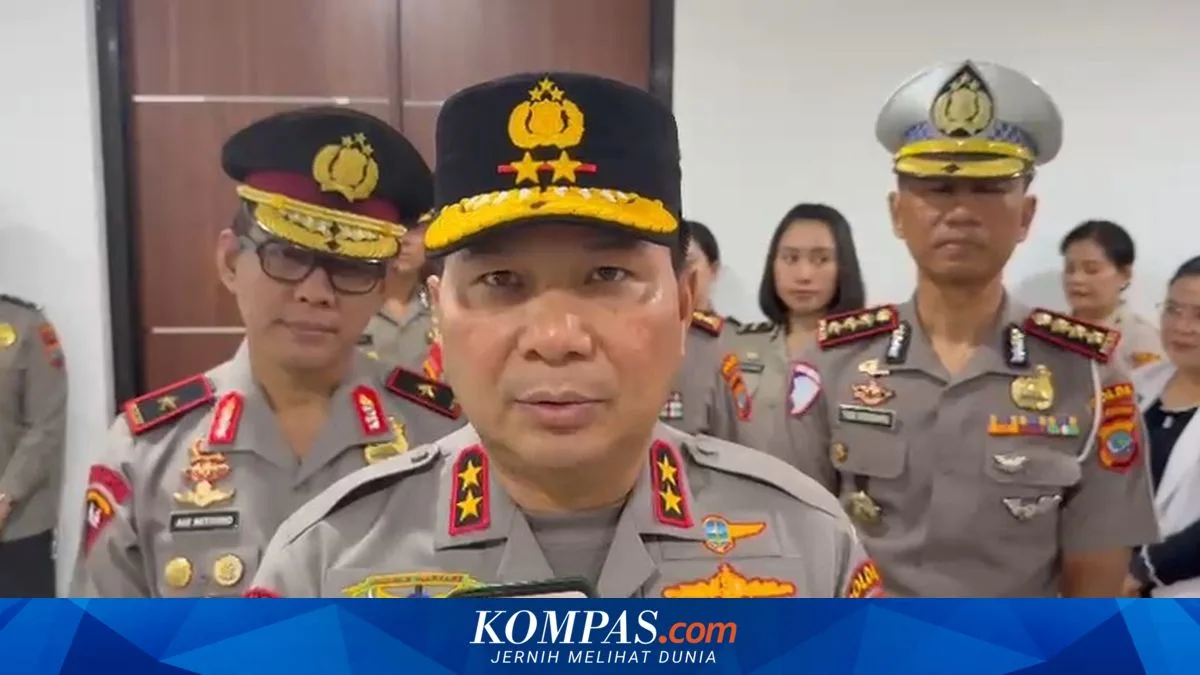
The four subordinates of Wisnu who were also questioned are the Head of the Security Unit (KPLP), the Head of the Section for Guidance of Inmates/Detainees and Work Activities (Kasi Binadik), the Head of the Security and Order Section (Kasi Kamtib), and the Head of General Affairs. Inspector General of the Ministry of Imipas, Rudi Setiawan, said the questioning stemmed from the temporary suspension of those officials from their posts. "We will suspend and conduct an examination to find out how the incident or condition occurred until it was discovered and up to today," Rudi said in Jakarta on Saturday (26/9/2026).
The examination is not limited to the alleged luxury facilities alone. Rudi stressed that his office will also trace the various items found by the Ombudsman, including liquor, fitness equipment, refrigerators, photographs, and a room suspected of being used as a simulator. "That becomes an object for us to examine, where those items are located, why they were moved, and so on. Of course, please give us time. This process is ongoing," he added.
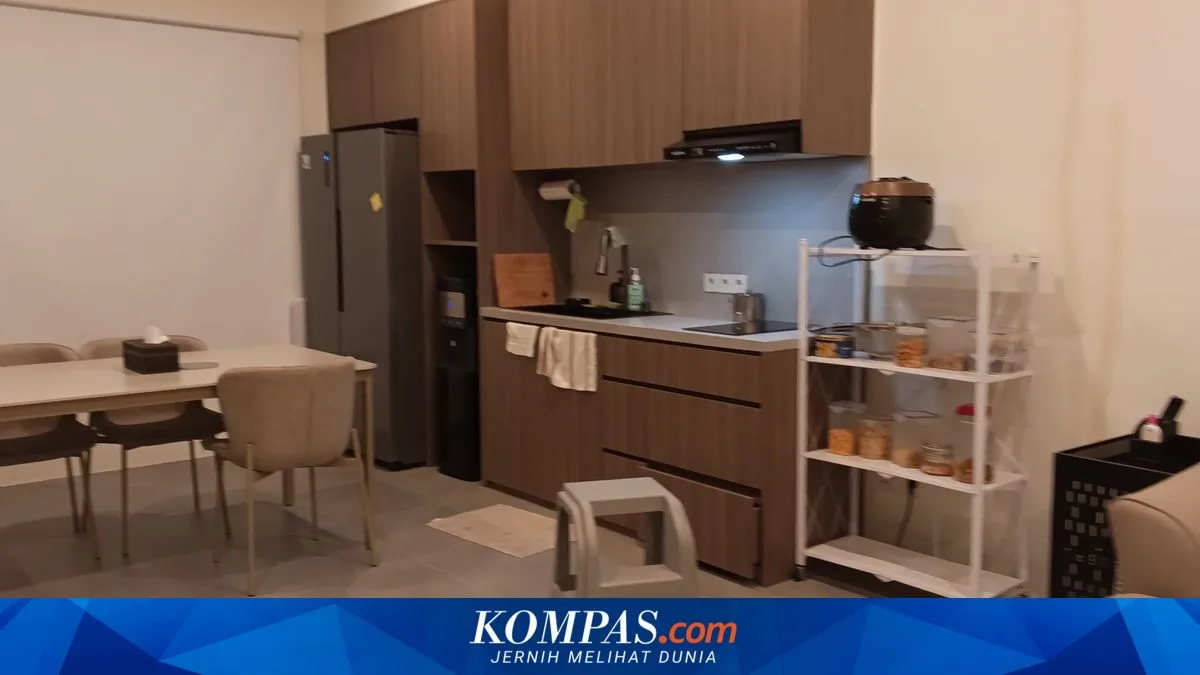
A field inspection conducted by Imipas Minister Agus Andrianto together with the Head of the Agency for Development Control and Special Investigation (Bappisus) Aris Marsudiyanto on Thursday (24/9/2026) revealed conditions that contrasted with the Ombudsman's findings. During the visit, Agus and Aris entered one of the houses previously highlighted. The house still contained complete furnishings such as sofas, tables, a television, mattresses, and a water dispenser, but the air conditioning (AC) units had been removed. When Aris asked about this, Wisnu replied that the AC units were broken. Meanwhile, other houses inspected no longer displayed the luxury seen in the Ombudsman's video.
"We will suspend and conduct an examination to find out how the incident or condition occurred until it was discovered and up to today." — Rudi Setiawan, Inspector General of the Ministry of Immigration and Corrections
These findings are not merely an internal matter of one prison. They highlight broader oversight gaps in Indonesia's correctional system. The practice of granting special facilities to certain inmates risks creating inequality and opening room for commercialization within prison walls. The Ombudsman RI had previously requested an explanation regarding the alleged commercialization of the luxury houses, while the DPR strongly condemned what it considered an attempt to obstruct the work of a state institution.
For investors and businesses, stable governance in the legal and security sector is an important indicator in assessing investment risk. The scandal at Cibinong Prison could reinforce the perception that law enforcement still faces structural challenges, which in turn affects the business climate. The government needs to show seriousness in fixing the correctional system so it does not become a gap for corruption and abuse of authority.
This case is also a test for the Ministry of Imipas under the leadership of Agus Andrianto. The public is waiting to see whether the examination of the five officials will lead to firm sanctions or merely become an administrative procedure. Transparency in the investigation's results will be key to restoring public trust in correctional institutions. If not handled seriously, this bad precedent could be repeated in other prisons across Indonesia.
Going forward, questions arise as to whether the Ombudsman will expand its investigation to other prisons with similar indications. Comprehensive correctional reform, including strengthening internal and external oversight mechanisms, appears to be inevitable. Without concrete corrective steps, the findings in Cibinong will only be the tip of the iceberg of a much deeper problem.