Cibinong Prison Chief's Denial vs Ombudsman Findings: Rp150,000 Illegal Fees and Luxury Cluster Behind Bars
Baca dalam 60 detik
- Kepala Lapas IIA Cibinong Wisnu Hani Putranto menampik semua tuduhan pungutan liar dan penyimpangan fasilitas yang diungkap Ombudsman RI.
- Ombudsman menemukan praktik setoran mingguan hingga Rp150 ribu dari keluarga warga binaan serta bangunan hunian mewah berisi minuman keras di dalam lapas.
- Benturan versi ini menguji kredibilitas pengawasan pemasyarakatan dan berpotensi memicu investigasi lebih lanjut oleh Kementerian Imipas serta Bappisus.
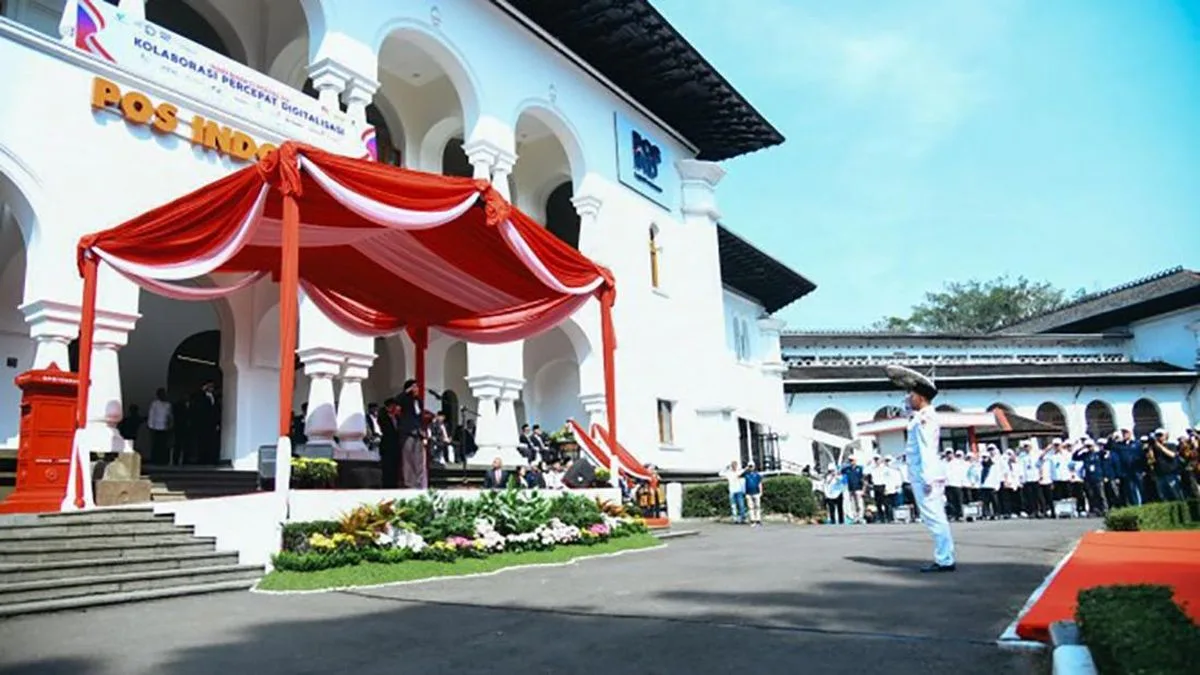
The head of Cibinong Class IIA Penitentiary, Wisnu Hani Putranto, firmly denied the Ombudsman RI's findings of illegal fees and luxury facilities at the prison he leads. The denial was made while he accompanied Minister of Immigration and Corrections Agus Andrianto and the head of the Agency for Development Control and Special Investigation (Bappisus), Aris Marsudiyanto, during a surprise inspection on Friday (25/9).
"Alhamdulillah, there is nothing like that here," Wisnu said, challenging anyone with evidence to report it directly. He also stressed that security procedures at Cibinong Prison had been running according to operational standards. The statement also dismissed the Ombudsman's assessment that the prison's security system was vulnerable.
However, Wisnu's version runs counter to the results of the Ombudsman RI's inspection two days earlier. Ombudsman member Syafrida Rachmawati Rasahan revealed allegations of illegal fees imposed on visitors or the families of inmates. "They mentioned there were illegal fees there that they had to pay every week," Syafrida said at a press conference on Thursday (24/9).
Her teammate, Fikri Yasin, added that the amount demanded reached Rp150 thousand. According to Fikri, the practice came to light from the direct admissions of inmates' families. "If it's like that, then yes, that's illegal fees, that's not justified," he said.
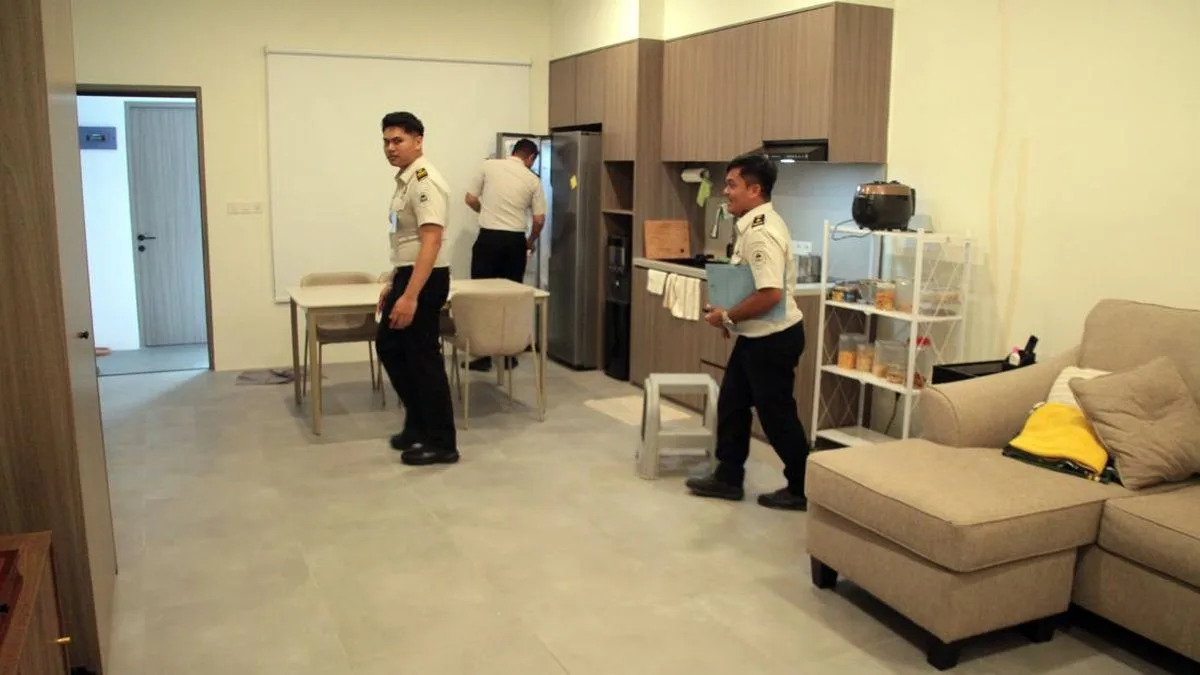
Besides the illegal fees, the Ombudsman found residential buildings with complete facilities that were allegedly only available to certain inmates. The discovery of liquor inside a refrigerator reinforced suspicions of double standards in prison management. These findings emerged after a surprise inspection on Wednesday (23/9), which, according to Ombudsman members, met with resistance and the absence of the prison chief when the team arrived.
Wisnu denied any attempt at obstruction. He claimed his staff were cooperative throughout the inspection. "So far we have been very cooperative with the Ombudsman," he said. This claim clashes with the Ombudsman team's account that they had to wait without clarity.
This case is not merely a clash of claims between the overseer and the prison operator. It highlights structural problems in Indonesia's corrections governance, where overcrowding and weak oversight often open gaps for illegal practices. If the illegal fees are proven, inmates' families are the most harmed party because they have no bargaining position.
For the public, especially the families of inmates, these findings underscore the importance of transparency in prison services. The Ministry of Imipas and Bappisus are now under pressure to follow up on the Ombudsman's findings independently, rather than relying solely on internal denials. A field verification step involving a neutral third party will be an early test of the government's commitment to cleaning up the corrections sector.
Going forward, the question is no longer whether illegal fees exist at Cibinong Prison, but how deeply similar practices are entrenched in other prisons. Without a thorough audit and firm sanctions, the Ombudsman's findings risk becoming just an annual report that evaporates without real change.