Iran Offers to Open Strait of Hormuz Within Six Days, Asks US to Lift Oil Sanctions
Baca dalam 60 detik
- Teheran mengajukan proposal pembukaan kembali Selat Hormuz dalam waktu kurang dari sepekan dengan syarat Washington menghentikan sanksi ekspor minyak dan mencairkan aset yang dibekukan.
- Kesepakatan jalur sementara bersama Oman disebut telah final, tetapi sikap Arab Saudi yang menunda dukungan dan kekhawatiran terhadap pengaruh Israel menjadi ganjalan utama.
- Jika terwujud, harga minyak mentah dunia berpotensi mereda dari level 107 dolar AS per barel, meski risiko eskalasi militer di Bab al-Mandab masih membayangi.
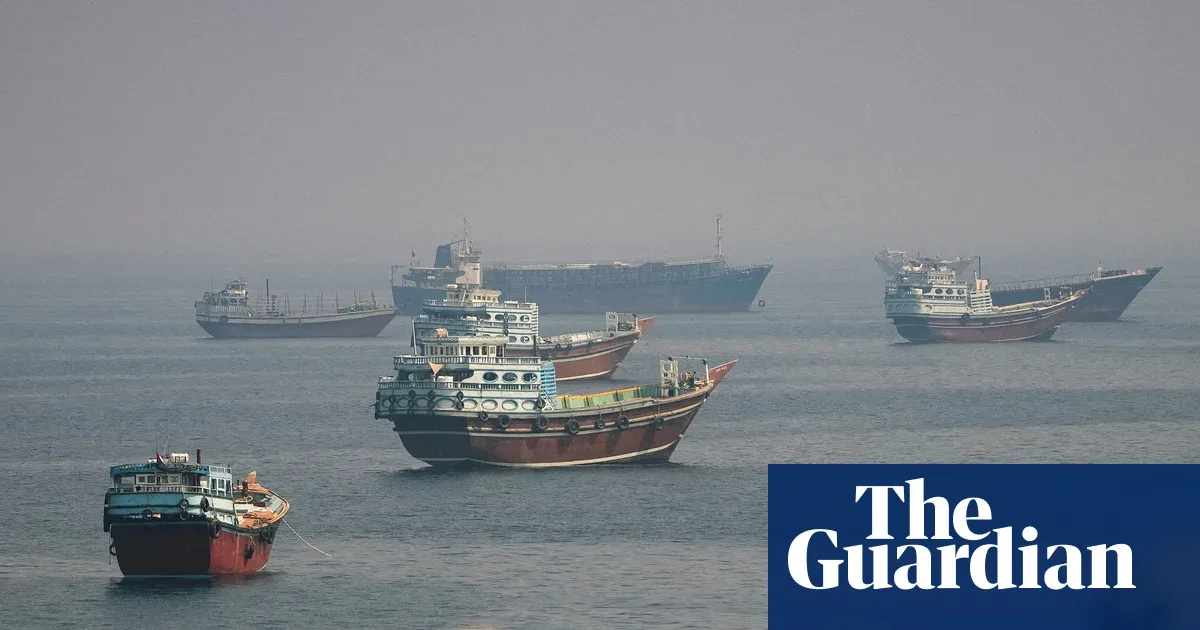
Iranian Foreign Minister Abbas Araghchi said his side had submitted a formal proposal to Donald Trump's administration to reopen the Strait of Hormuz within six days, on condition that the United States lifts sanctions on Iranian oil exports, halts military operations on all fronts including Lebanon, and releases part of Tehran's frozen assets. The proposal was delivered on the sidelines of the UN General Assembly in New York, and as of late last week Araghchi was still waiting for a response from Washington.
The proposal essentially accelerates implementation of the memorandum of understanding (MoU) signed by the two countries in June. The difference is that under the original scheme, negotiations on Iran's nuclear program would only begin 60 days after the agreement. Under the new offer, Tehran is willing to open the strategic shipping lane first, then start nuclear talks the following day. Iran claims it has reached an agreement with Oman on a temporary route in the Strait of Hormuz and is ready to register the details with the International Maritime Organization (IMO).
Despite the optimism, the road to a deal is not smooth. Saudi Arabia, which had initially been expected to endorse the Oman-Iran route last week, instead withdrew its support, partly out of anger over Iran-backed Houthi attacks on Saudi territory in the dispute over Yemen's future. Iran says it has asked the Houthis to stop the attacks but denies having full control over the group's decisions. Meanwhile, inside Iran, some officials worry that Israel will use its influence to steer Trump away from the proposal.
For the United States, the plan poses a dilemma. Washington must pressure Israel to stop the war in Lebanon, something that is politically sensitive. Israel is also predicted to refuse to give Iran clear control over the shipping route in the Strait of Hormuz. Iran itself wants to retain control over vessel traffic to prevent a number of US military ships from passing through. Issues such as tolls or navigation fees from the coastal states, Oman and Iran, will be discussed later.
"We have submitted a plan to the US through mediators that if certain conditions are met, the strait will be opened within seven days and negotiations will begin," Araghchi told reporters in New York.
On the other side, British Foreign Secretary Ed Miliband met Araghchi for the first time in New York. The meeting was the first contact between the two countries' ministers in a year, and the first since London banned the Islamic Revolutionary Guards Corps (IRGC) as a terrorist organization last July. Miliband stressed Britain's commitment to freedom of navigation in the Strait of Hormuz and support for a diplomatic solution, while reminding Iran about its conduct in Britain, including threats against the Jewish community. He also demanded consular access for a British couple sentenced to 10 years in prison in Tehran.
Some factions in Iran are instead pushing for an escalation of conflict amid what they see as Trump's vulnerable position ahead of the midterm elections. They argue that the current protracted crisis does not benefit Tehran. Some IRGC officers have even linked the Strait of Hormuz issue to the closure of Bab al-Mandab, the narrow waterway in southwestern Yemen now controlled by the Houthis. Maj. Gen. Rahim Safavi, a senior Iranian military figure, warned that if the US starts a new war, a new front in the Red Sea and Bab al-Mandab could open.
Iranian President Masoud Pezeshkian, in his speech at the UN General Assembly last week, was seen as successfully balancing a refusal to bow to the "US bully" with openness to diplomatic dialogue. He also proposed a new security architecture with the Gulf states, including those that have been targets of Iranian attacks. IRGC Commander Maj. Gen. Ahmad Vahidi praised the speech as a loud call by the Iranian nation that echoed around the world.
For Indonesia, this development deserves attention given the Strait of Hormuz's position as a main route for crude oil imports. If a deal is reached and global oil prices fall, pressure on energy subsidies and domestic inflation could ease. Conversely, escalation in Bab al-Mandab could disrupt the trade route from Asia to Europe that passes through the Red Sea, hitting Indonesia's non-oil and gas exports. The government needs to prepare energy contingency scenarios if tensions are prolonged. The question is, will Washington accept Tehran's offer before the midterm elections, or will it instead choose to maintain military pressure in the region?