Free Tuition at State Universities Fast-Tracked in 2-4 Weeks, Government Recalculates Fiscal Burden
Baca dalam 60 detik
- Sekretaris Kabinet Teddy Indra Wijaya menyatakan rencana pembebasan biaya kuliah di PTN bakal dirampungkan dalam 2-4 pekan ke depan, mencakup UKT dan uang pangkal.
- Pemerintah juga menyiapkan pendidikan gratis di sekitar 164 ribu sekolah negeri dari PAUD hingga SMA/SMK, plus pembentukan Direktorat Jenderal Pesantren lewat Perpres Nomor 18 Tahun 2026.
- Mendikti Saintek Brian Yuliarto mengungkap instruksi Presiden Prabowo agar program dipercepat, tetapi tetap mempertimbangkan tahapan dan kapasitas anggaran negara.
The government is targeting completion of the free tuition scheme at state universities within the next two to four weeks. Cabinet Secretary Teddy Indra Wijaya said final discussions are underway, covering the elimination of the Single Tuition Fee (UKT) as well as upfront fees. The statement was delivered via a press release on Wednesday (23/9/2026), marking a new chapter in education policy that will change the landscape of campus financing.
What distinguishes this discourse from a mere political promise is its layered scope. Besides state universities, the government is preparing cost waivers at the early childhood through secondary education levels. Teddy said around 164 thousand state schools from PAUD/TK, SD, SMP, to SMA/SMK fall within this policy framework. This means the fiscal ambition being pursued is not small and could significantly raise state spending in the medium term.
The government is also giving special attention to pesantren education. Through Presidential Regulation Number 18 of 2026, a Directorate General of Pesantren was established under the Ministry of Religious Affairs. The step is seen as an effort to ensure the religious education track is not left behind in strengthening the national education system. Teddy emphasized the government's commitment to opening the widest possible access, improving learning quality, and ensuring every education track receives proper support.
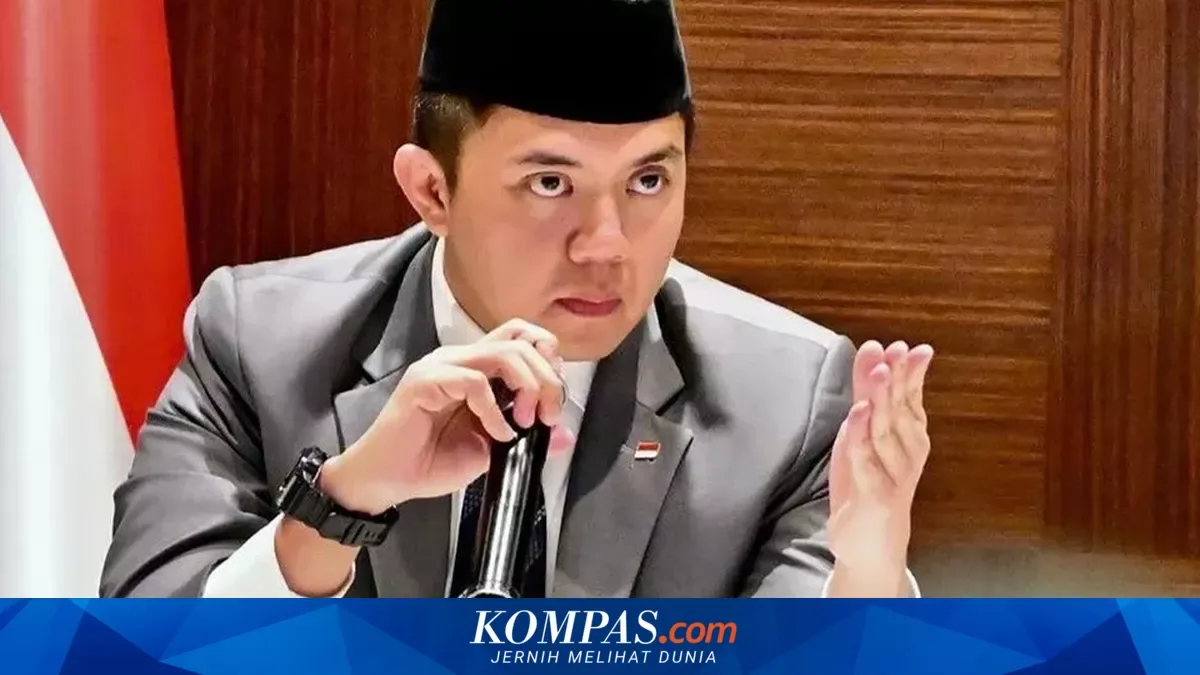
Minister of Higher Education, Science, and Technology Brian Yuliarto revealed that President Prabowo Subianto instructed his staff to accelerate preparation of the program. However, he stressed that implementation must still take into account the stages of execution and fiscal capacity. "The hope is of course that the President wants this program to make tuition free to be run as soon as possible, but of course we will go through stages, not immediately," Brian said at a press conference at the Merdeka Palace, Jakarta, Wednesday (23/9/2026).
Brian explained that the government has calculated various components of campus financing. From current UKT receipts, institutional development fees (IPI) for the independent track, to other revenue sources at state universities. He highlighted that at some campuses, income from postgraduate programs often subsidizes undergraduate programs. This means eliminating UKT and upfront fees cannot be done without a clear replacement scheme, so that the quality of academic services is not eroded.
For readers in Indonesia, especially investors and professionals, this policy carries layered implications. On one hand, more open access to higher education could improve the quality of human resources and long-term economic competitiveness. On the other hand, waiving tuition fees could shift state universities' revenue sources, which have so far relied on UKT and IPI. Large campuses with high dependence on independent funds need to adjust their business models, including seeking new funding sources from research, industry cooperation, or endowment funds.
From a fiscal standpoint, this program will compete with other spending items such as infrastructure, health, and energy subsidies. The government has not disclosed the exact budget requirement, but the scale of 164 thousand schools plus all state universities gives an indication that fiscal space will be tested. The bond market and capital market players usually scrutinize the direction of such policies because they affect the budget deficit and state spending priorities.
The big question is whether this 2-4 week acceleration will produce a mature regulatory framework or merely a political announcement? Without a transparent and gradual funding scheme, concerns about declining quality and interregional inequality could emerge. In the coming weeks, the public awaits technical details: who bears the cost, how long the transition is, and how private campuses and pesantren adapt in a rapidly changing education ecosystem.