New Book Reveals 50-Year Evolution of the Green Party: Polanski and the 'Watermelon' Phenomenon
Baca dalam 60 detik
- Buku 'The Green Socialist' karya Russell Warfield menegaskan bahwa faksi 'semangka'—hijau di luar, merah di dalam—bukanlah pendatang baru, melainkan hasil evolusi setengah abad Partai Hijau Inggris.
- Kemenangan Zack Polanski dengan 85% suara mempercepat pergeseran partai ke kiri, memicu perdebatan internal dan penurunan elektabilitas dari 21% ke 11%.
- Pemilihan sela Holborn dan St Pancras pada 8 Oktober menjadi ujian apakah strategi eco-populisme mampu merebut kursi dari Partai Buruh.
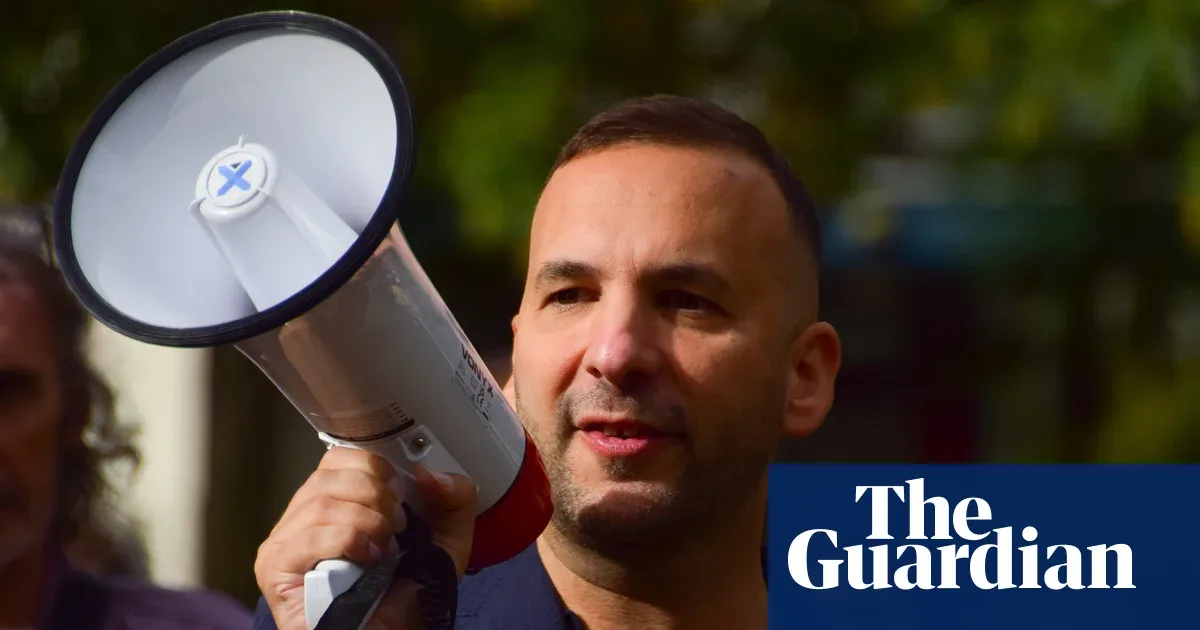
A new book titled The Green Socialist: Zack Polanski and the Battle for Britain’s Future argues that the “watermelon” faction in the Green Party of England and Wales—a term for members who are ecological on the surface but socialist in ideology underneath—is not a new phenomenon. Author Russell Warfield, a former party staffer involved in election campaigns, asserts that this dual identity has been entrenched for the past decade and can even be traced back to the early 1970s.
Warfield rejects the narrative that Zack Polanski’s rise amounts to a “hostile takeover” by the hard left. According to him, Polanski’s victory with 85% of the vote demonstrates broad support across the party’s wings. “The dichotomy often presented—between a pure ecological core and a new left cohort—is a misleading simplification,” he says. The book lays out how the party’s fundamental positions, including calls for a wealth tax, had long been official policy well before Polanski took the helm.
Since taking office last year, Polanski has vocally championed issues such as Gaza and a wealth tax, which some observers see as shifting focus away from the environmental agenda. However, YouGov data shows 34% of voters place the highest trust in the Green Party on environmental issues—the highest figure for any party on any issue. Warfield argues that this foundation of trust actually gives the party room to broaden its message into the political-economic realm, in line with an evolution toward social ecology that blames capitalism and the 1% as the root of environmental destruction.
Even so, Polanski’s leadership has not been free of controversy. His criticism of the police response to the Golders Green attack was called “inaccurate and misinformed” by Met Commissioner Mark Rowley. He also once wrongly claimed to be a British Red Cross spokesperson and shared a photo of someone wearing a guillotine T-shirt with the words “we’re only making plans for Nigel”—a jab at Nigel Farage. Warfield views the Golders Green incident as a “misstep,” but rejects strict restrictions on Polanski’s social media because it would kill the authenticity that is his political strength.
“Reform is trying to bait him into apologizing over the incitement to murder allegation. If he complies, we would only legitimize their claim. There is strength in refusing to play that game.” — Russell Warfield
The book also traces the party’s historical roots, including the involvement of right-wing figures such as Teddy Goldsmith, whose ideas on deep ecology and criticism of unlimited economic growth remain relevant to Polanski’s rhetoric. Warfield concludes that Polanski’s eco-populism is a continuation of a long tradition, not a deviation.
Indonesian Context
For Indonesia, the dynamics of the British Green Party offer a mirror for how issue-based environmental parties can evolve into populist forces that speak to economic injustice. Amid global pressure for an energy transition, green parties in various countries—including the potential for a similar movement in Indonesia—can learn from Polanski’s successes and controversies alike. An eco-populist approach that emphasizes the capitalist roots of environmental destruction may resonate with narratives of social injustice in developing countries, but it also risks splitting the support base if not balanced with concrete solutions.
On 8 October, Polanski will contest the Holborn and St Pancras by-election after Keir Starmer vacated the seat. Warfield is optimistic Polanski can win, and sees it as a way to pressure the Burnham project from the left. If successful, it will be a real test of whether an eco-populist strategy can turn electability into parliamentary seats—or instead deepen fragmentation on the British left. Will the Green Party under Polanski prove that green and red can unite, or will the existing controversies erode voter trust?