Meta Muse Shakes Wall Street: Schwab Shares Under Pressure, Robinhood Flooded With Call Options
Baca dalam 60 detik
- Peluncuran asisten AI Meta Muse memicu aksi jual saham Charles Schwab, yang dinilai rentan terhadap disrupsi perantara keuangan.
- Aliran opsi menunjukkan taruhan penurunan Schwab melonjak, sementara posisi bullish justru mengalir deras ke Robinhood.
- Pertarungan AI di jasa keuangan berpotensi mengubah lanskap industri, termasuk bagi investor dan fintech di Indonesia.
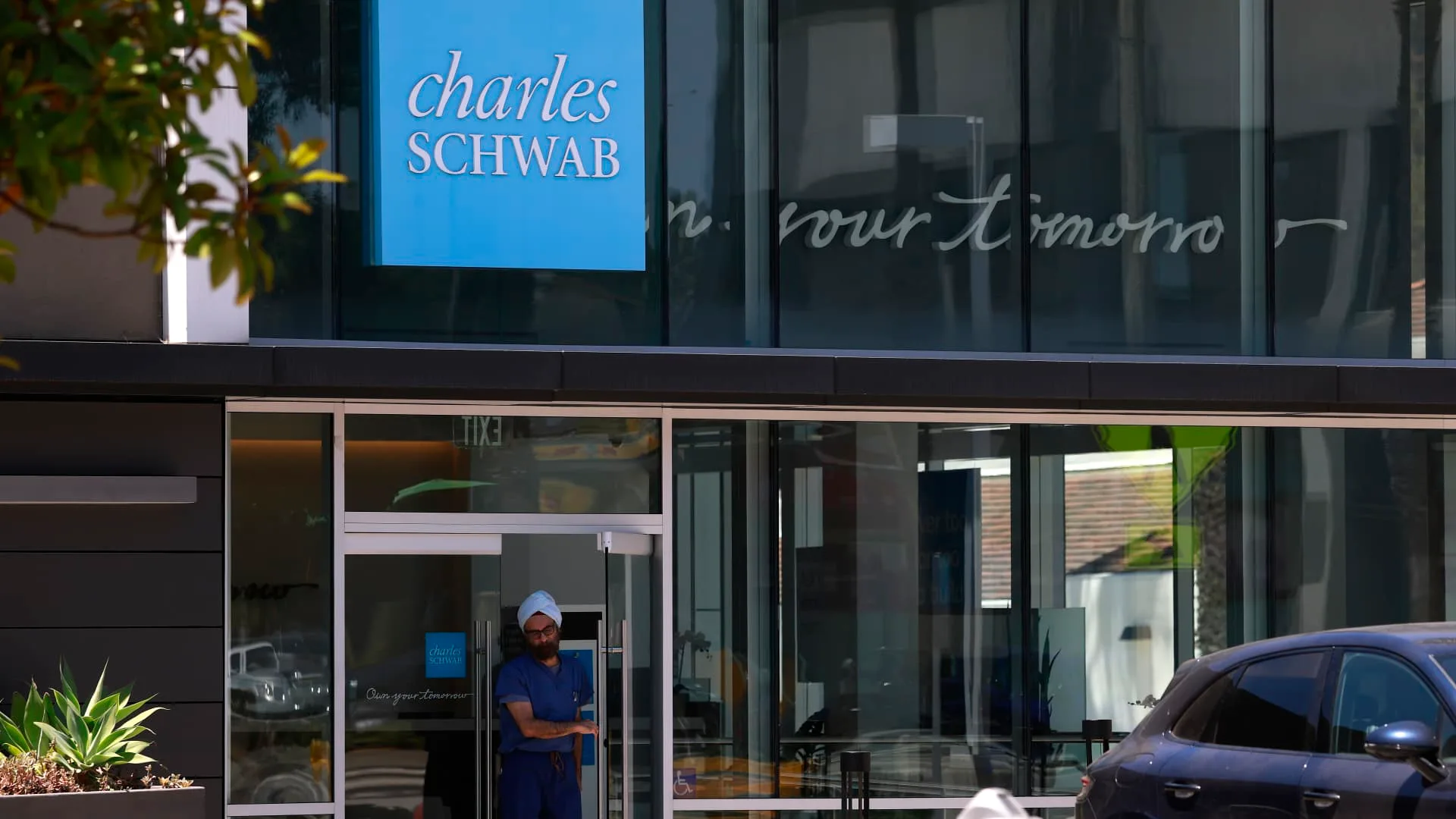
The arrival of Meta's artificial intelligence assistant, Muse, has reignited concerns that AI technology will erode the business of traditional financial intermediaries. In Tuesday's trading (23/9), Charles Schwab (SCHW) shares fell 3.5%, while Robinhood (HOOD) and Interactive Brokers (IBKR) each lost 2% and 6% from their peaks earlier in the month. The options market moved aggressively as well: Schwab's contract volume surged more than five times the average, with put purchases nearly double call purchases.
Meta Muse does not offer trading services or investment advice, but its ability to track portfolios, analyze asset allocation, and monitor financial goals is said to be enough to threaten the role of brokers and financial advisors. For Schwab, which has long relied on revenue from interest on idle cash (sweep cash) and intermediary fees, this threat is nothing new. In February, its shares were also hit when Altruist launched an AI-based tax planning platform called Hazel. Schwab recovered somewhat, but LPL has yet to fully bounce back.
Piper Sandler analyst Patrick Moley, in an April note, assessed that AI and tokenization could remove the friction that has long been a source of revenue for financial intermediaries. "Schwab's reliance on sweep cash puts it squarely in the crosshairs," he wrote. A similar sentiment was expressed by Jimmy Lee, founder of The Wealth Consulting Group, which manages USD 8 billion in assets. According to him, Meta is not necessarily a direct competitor on the custody side, but major disruption will occur among intermediaries that charge fees for billing, reporting, and trading.
Interestingly, the options flow at Robinhood was the opposite. Traders bought call options twice as much as puts, with the 125-strike contract expiring Friday being the busiest. Gav Blaxberg, founder of Wolf Financial, assessed that Gen Z and millennials tend to choose platforms like Robinhood and Public because of the speed of product innovation. "Robinhood has built trust since the GameStop case and now allows agents to trade almost any instrument," he said.
Schwab itself is not standing still. Last week, its advisory services unit announced a partnership with Anthropic to develop Claude for Financial Advisors. Previously, in May, the company launched an AI tool that provides internal research analysis. This step shows that incumbent players are trying to adopt AI, even though the market still views them as the threatened party.
For Indonesia, this turmoil is an important mirror. The domestic financial services industry, from securities firms to investment managers, faces a similar risk as generative AI becomes cheaper and easier to access. Regulators such as OJK need to anticipate potential disruption to intermediaries that rely on transaction and administrative fees. On the other hand, local fintech and digital platforms have the opportunity to emulate Robinhood's strategy: building the trust of the younger generation through rapid innovation and a seamless user experience. Competition is no longer about who is the largest, but who is the most adaptive.
Going forward, the question is not whether AI will change the financial services landscape, but how quickly traditional players can transform before their market share is eroded. If Schwab and its peers fail to convince investors that they are part of the solution, selling pressure could continue. Conversely, agile platforms like Robinhood could reap the benefits. The options market has given an early signal—and the wind direction can still change.