Elmo Stresses the Importance of Empathy Amid Climate Crisis at Climate Week New York
Baca dalam 60 detik
- Elmo dari Sesame Street tampil di Climate Week New York untuk menyoroti dampak krisis iklim pada anak-anak.
- Sesame Workshop mengungkap studi global tentang bagaimana anak-anak memahami cuaca ekstrem dan peran orang tua.
- Para ahli menekankan pentingnya berbagi pesan bahwa ada orang lain yang peduli dan solusi nyata untuk menghadapi perubahan iklim.
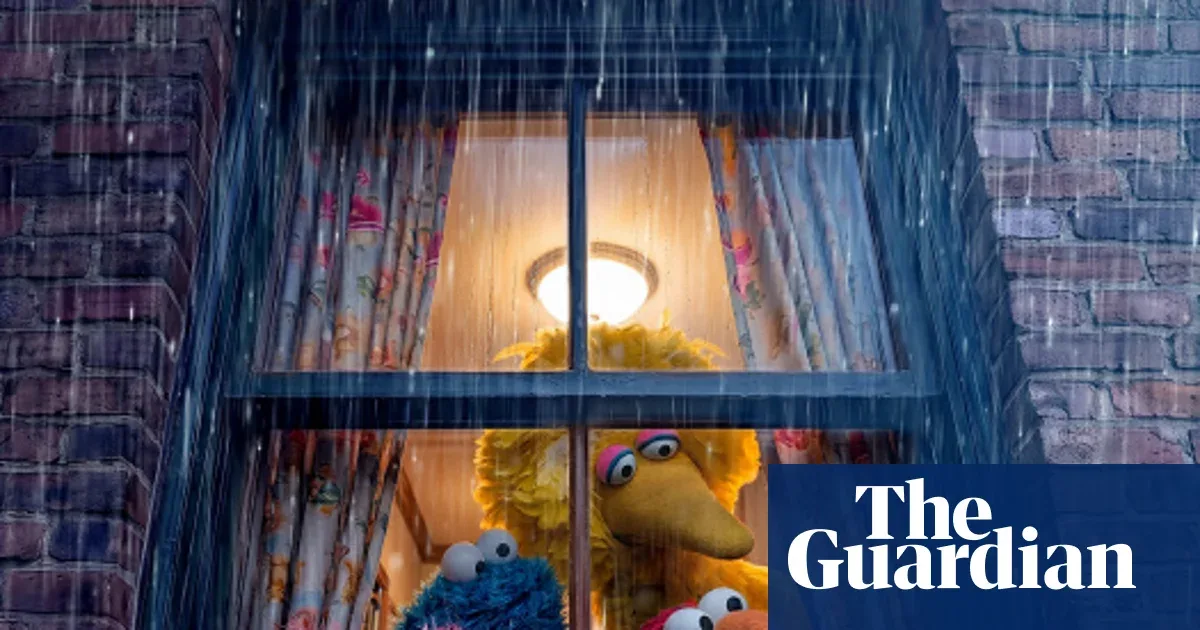
On Tuesday, amid Climate Week in New York City, public attention turned instead to a three-and-a-half-year-old red-furred figure: Elmo. The iconic Muppet from Sesame Street took the stage to discuss how the climate crisis affects children, in an event titled “Big Storms, Big Feelings”. His presence highlighted a shift in the climate narrative that increasingly touches the psychological and social realm, not just temperature and emissions data.
Elmo recounted his experience when a storm hit Sesame Street, a story that aired in an episode with singer Post Malone. “We all feel scared sometimes, but bravery is when we are scared yet still help others,” he said. He admitted he had panicked, but tried to comfort residents with hugs and by playing the xylophone. After the storm passed, the Sesame Street neighborhood was littered with trash and tree branches. Elmo also revealed that he prepared a disaster readiness bag, and Sesame Street residents worked together to clean up the neighborhood. “Home is the people who make that place special. As long as we are with the people we love, we will always be home. That applies in any weather,” he added.
Elmo’s message was warmly received by the New York audience, who appeared to have forgotten his ambiguous support for the New York Knicks in last season’s NBA playoff finals. Yet behind the cheerful appearance lies a serious concern: media and political attention to the climate crisis is declining, even as disasters continue. Kim Foulds, vice president of research and insights at Sesame Workshop, said the organization conducted a study to understand how children make sense of extreme weather and how parents cope with it in diverse global contexts.
From the study, parents expressed anxiety about extreme weather events, and children reported experiences of scorching heat, floods, and other disasters. According to Foulds, physical impacts and disrupted routines are the main problems. “The biggest disruption for young children is the disruption of their routines. They cannot go to school, they lose time playing outside with friends and parents. Although the types of extreme weather differ, across all regions we heard varied experiences of extreme heat,” she explained.
The experts present, including climate scientists, Unicef officials, and young climate activists, agreed that although parents often struggle to talk about the climate crisis with children, children can grasp the concept in surprising ways. They can even take part in small actions such as planting trees. Katharine Hayhoe, a climate scientist, stressed the importance of sharing the message that others care and that solutions work. “The most important thing to convey, and this is supported by science, is that other people care and there are solutions that work. Those two things matter to everyone from age five to 95. Children grasp it faster than adults,” she said.
For Indonesia, this message is relevant given children’s vulnerability to the impacts of the climate crisis, such as floods, droughts, and increasingly frequent heatwaves. Climate education programs for early childhood remain rare, even though they are the most physically and psychologically vulnerable group. The approach used by Sesame Street—packaging complex issues into simple, empathetic stories—could serve as an example for policymakers and educational institutions in the country. For instance, by incorporating disaster preparedness and climate change materials into the PAUD curriculum or through creative media such as puppets and songs.
Going forward, the question is whether a message like the one Elmo brought can drive real action from world leaders, or whether it is merely momentary entertainment amid a climate conference. What is clear is that children have shown they can be agents of change if given the right space and language.