Alexandr Wang and Meta's 'Tweet Cannon': The Anti-PR Strategy Shaking Up the Global AI Map
Baca dalam 60 detik
- Alexandr Wang, Chief AI Officer Meta, membanjiri X dengan lebih dari 300 unggahan sejak peluncuran Muse pada 8 September, banyak di antaranya bernada sindiran dan meme.
- Pendekatan ini disebut pakar komunikasi sebagai 'anti-PR' yang sengaja menjauh dari bahasa korporat untuk menancapkan Muse dalam budaya meme.
- Kemenangan awal Muse di App Store dan integrasi dengan Shopify, PayPal, Expedia, serta Instacart berpotensi mengubah lanskap agen AI pribadi, termasuk di pasar Indonesia.
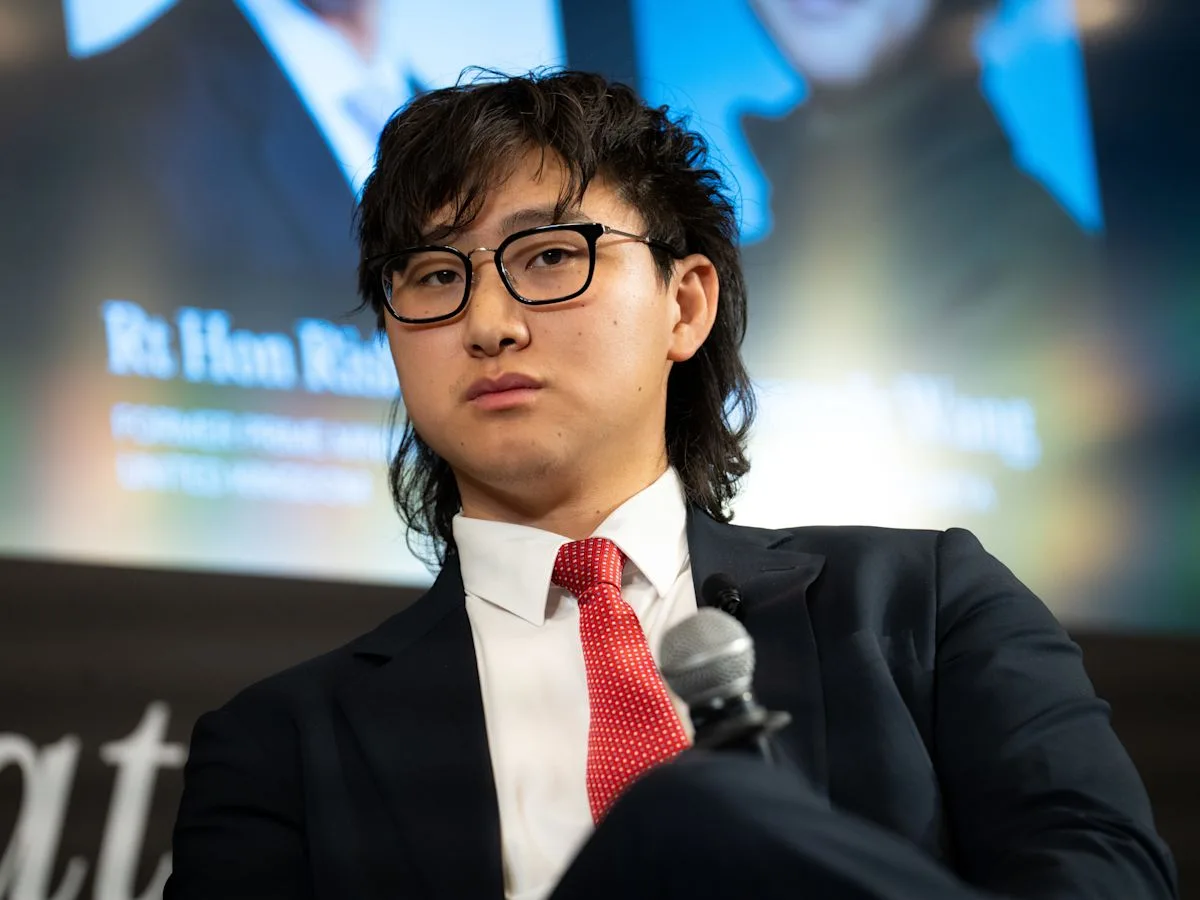
Meta has finally found an unexpected weapon in the artificial intelligence promotion war: Alexandr Wang's thumbs. The company's Chief AI Officer has fired off more than 300 posts on X since the launch of Muse, a personal AI agent, on September 8, 2026. In just five days, he fired more than 100 tweets, each racking up tens of thousands of views. This is not just ordinary social media activity—it is a narrative blitzkrieg that flips the way giant technology companies speak to the public.
Muse itself is no ordinary product. The agent can perform autonomous tasks such as booking flights, shopping, and sending emails. Shortly after launch, Muse shot to the top of the App Store download chart and drew positive reviews. Wang seized the moment as a victory stage after Meta fell behind in the race for the most powerful AI models, despite having burned tens of billions of dollars in capital expenditure and spent more than US$14 billion to acquire Wang from Scale AI.
What makes Wang's push different is his communication style, which is far from corporate. He posts memes, takes jabs at rival AI companies' logos, and even throws sharp remarks at competing personal agents. "Muse absolutely obliterates Insect," he wrote earlier this month, referring to Instinct, an invite-only agent popular among Silicon Valley engineers. He also highlighted the logos of Anthropic and OpenAI with comments that are hard to print in mainstream media. This approach, according to Nick Braund, founder of the PR agency Words+Pixels, is a deliberate anti-PR strategy. "Wang is trying to insert Muse into meme culture by steering away from corporate jargon," he told Business Insider.
Behind the social media buzz, Wang's move reflects a shift in marketing tactics in the AI industry. If Google has Logan Kilpatrick, who eagerly promotes Gemini, and former X head of product Nikita Bier is known as a prolific poster, Wang takes the game to a different level. He does not just share news; he also builds a persona as "someone who has been online for too long"—a joke he admits himself. "Someone said today that I have the best social team for the Muse launch. Dude, I'm firing all these raw tweets myself. I don't let corposlop near my tweet cannon," he wrote.
Despite being aggressive on X, Wang appears silent on Threads, Meta's own platform. He has posted nothing since the Muse launch. This gap raises a question: is the "tweet cannon" strategy only effective in a space dominated by rivals, or is there another reason? What is clear is that Wang is fully aware that his digital storm—which he often calls "Muse madness"—is being watched. He even responded to a user's praise with a quip: "When you realize that being terminally online your whole life was preparation for this moment."
For Indonesia, this phenomenon is not just a spectacle. The personal AI agent market in the country is growing, with apps like Muse potentially changing how consumers shop, arrange travel, and manage daily tasks. Muse's integration with Shopify, PayPal, Expedia, and Instacart—announced this week—signals a business model that could soon be adopted in Southeast Asia. If Meta brings Muse to Indonesia, local partners such as e-commerce platforms and digital wallets must prepare. Personal data protection regulations will also be tested, because the agent accesses sensitive user information.
Going forward, the battle among personal AI agents will only get fiercer. OpenAI, Anthropic, and other players are predicted not to stay idle. Wang may have given Meta a narrative edge, but the sustainability of Muse's dominance depends on real performance, not just tweets. Will this anti-PR strategy become a new blueprint for global technology companies, or will it boomerang when public expectations soar? Only time will tell, but one thing is certain: the way corporations speak to the market has changed, and Indonesia needs to pay attention.