Rp 2.5 Million Maid's Salary Leads to Rp 1 Billion Lawsuit: Erin Wartia's Legal Stage
Baca dalam 60 detik
- Erin Wartia, mantan istri Andre Taulany, menghadapi gugatan perdata dari asisten rumah tangganya, Nur Rohmah, yang mengklaim upah sebulan sebesar Rp 2,5 juta belum dibayarkan.
- Sidang mediasi di PN Jakarta Selatan kembali ditunda karena pihak tergugat tidak hadir, memperpanjang ketidakpastian hukum bagi pekerja rumah tangga yang menuntut haknya.
- Kasus ini menyoroti lemahnya perlindungan hukum dan posisi tawar pekerja rumah tangga di Indonesia, yang selama ini bergantung pada hubungan personal tanpa kontrak kerja formal.
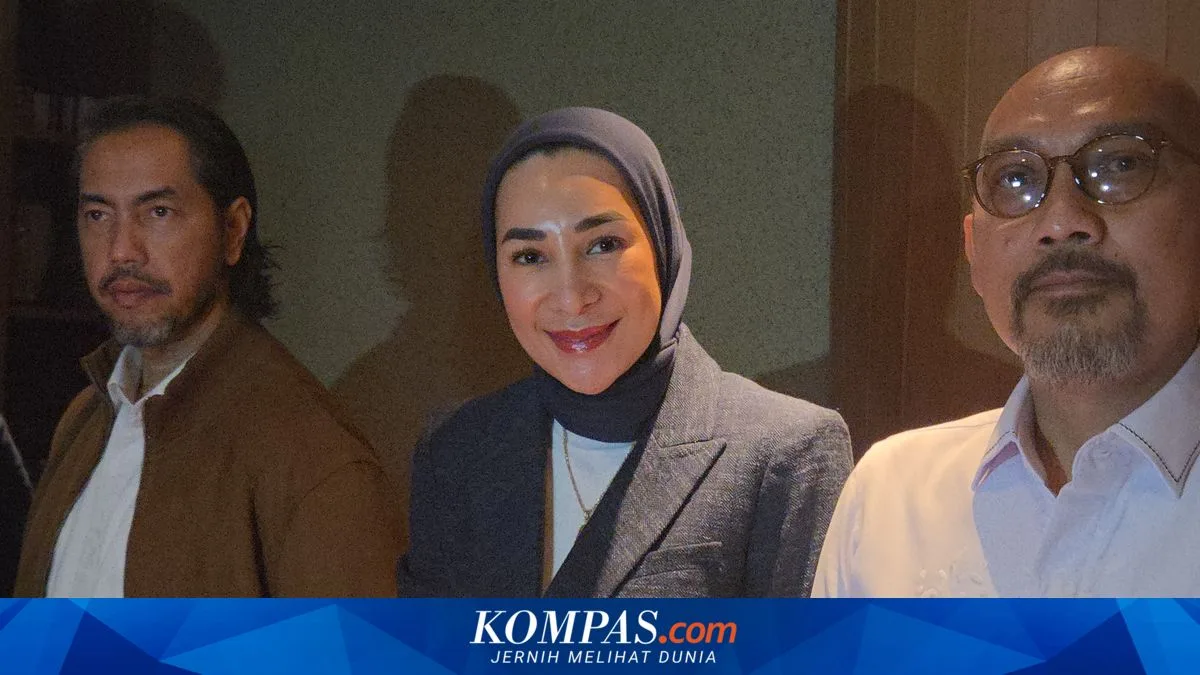
Erin Wartia, the ex-wife of comedian Andre Taulany, has once again drawn public attention, not for entertainment matters but because of a legal dispute with her former housekeeper, Nur Rohmah. The woman affectionately known as Teh Nur is demanding her rights in the form of one month's unpaid wages of Rp 2.5 million. The lawsuit, filed with the South Jakarta District Court on July 5, 2026, also includes a claim for immaterial damages of Rp 1 billion, a figure far exceeding the value of the wages in question.
At a hearing held on Wednesday (23/9/2026), the panel of judges again postponed the mediation agenda because Erin Wartia neither attended nor sent her legal counsel. This is not the first postponement, and the dispute resolution process is dragging on. Nur Rohmah's legal counsel, Adharu Soleh Latief, said his client simply wants her rights restored, including one month's wages and several personal items such as a mobile phone and identity card that she claims are still being withheld. "The point is how to get Teh Nur's rights returned," Adharu said after the hearing.
Adharu said he did not know for certain the wage payment mechanism used in Erin's household, whether by transfer, cash, or through an intermediary. What is clear, he said, is that his client never received wages for a month of work. He also stressed that the material claim in the lawsuit is limited to the unpaid wages, while the Rp 1 billion claim represents immaterial damages from the psychological impact Nur suffered, including trauma and fear that have kept her from returning to work.
This case is not merely an ordinary employer-worker dispute. It opens a window onto a broader structural problem: legal protection for domestic workers in Indonesia. To date, domestic workers lack an adequate legal framework, especially regarding work contracts, minimum wages, working hours, and social security. Employment relationships are often informal and personal, so when disputes arise, domestic workers are highly vulnerable. They frequently have no written evidence of the work agreement, which makes it difficult to prove their case in court.
In this context, Nur Rohmah's decision to bring the matter to civil court deserves note as an effort to uphold rights through formal channels. However, the protracted legal process and the defendant's absence show how heavy the burden is for workers seeking justice. The postponement of mediation, though a common procedure, can prolong the psychological and economic suffering of the weaker party.
For readers in Indonesia, especially professionals and businesspeople, this case is an important reminder of the need for orderly documentation of employment relationships, including for domestic workers. Clear contracts, payment records, and a separation between personal and employer affairs can prevent disputes that harm both sides. On the other hand, the government and the House of Representatives need to speed up deliberation of the Domestic Workers Protection Bill, which has long been stalled, so that there is legal certainty and a fair dispute resolution mechanism.
Going forward, the public will be watching whether Erin Wartia attends next week's mediation hearing or fails to appear again. If the absences continue, the judge may move the case to the evidence stage, potentially forcing both sides to disclose data and witnesses. More fundamentally, will this case foster a collective awareness that domestic workers' rights are human rights worth fighting for, not merely domestic matters that can be ignored?