Race for UN Secretary-General Puts Future of Global Climate Action at Stake
Baca dalam 60 detik
- Sejumlah kandidat pengganti António Guterres dinilai kurang berkomitmen pada isu iklim, memicu kekhawatiran pelemahan diplomasi hijau.
- Tiga nama—Rafael Grossi, Macky Sall, dan Olara Otunnu—dianggap berpotensi mengorbankan agenda iklim demi kepentingan energi fosil dan tekanan geopolitik.
- Terpilihnya pemimpin PBB yang lemah dalam isu iklim dapat berdampak pada pendanaan transisi energi dan komitmen global, termasuk bagi Indonesia.
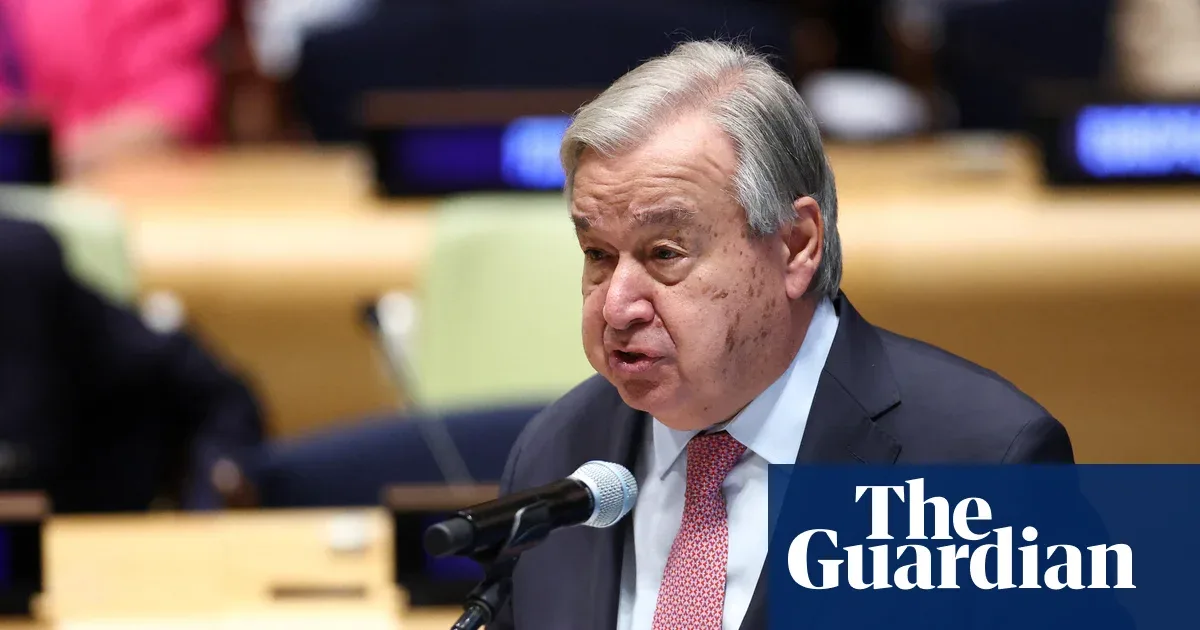
The election of a new United Nations (UN) Secretary-General has entered a crucial phase, with growing concern that António Guterres' successor will downgrade the priority of the climate crisis. Guterres, whose second term ends on 31 December, is known as the most vocal UN Secretary-General in urging climate action and daring to challenge the interests of the fossil fuel industry. Now, several candidates touted to replace him are seen as less enthusiastic about that agenda, triggering alarm among environmental observers and civil society.
According to several experts who spoke to The Guardian, some candidates could even be a "disaster" for efforts to address the climate crisis, yet they still receive support from influential countries such as the United States and its allies. The three most scrutinized names are Rafael Grossi, an Argentine diplomat who currently heads the International Atomic Energy Agency (IAEA); Macky Sall, former President of Senegal; and Olara Otunnu, a former Ugandan presidential candidate who once served as UN Under-Secretary-General for Children and Armed Conflict.
Grossi, for instance, is seen as "trying to be Donald Trump's friend" and has close ties to Argentine President Javier Milei, a climate change denier. "Grossi himself is not a climate denier, but those connections could lead him to downplay the climate issue," said an observer who did not wish to be named. Sall, meanwhile, is seen as a potential backer of gas in Africa as a "transition fuel", which many African leaders want to exploit. "I wonder how far he will push climate action when it clashes with African fossil energy interests," the observer added. As for Otunnu, according to another expert, he faces national pressure related to Uganda's oil and gas politics after the country recently discovered large reserves. "He is a big question mark. Given Uganda's fossil fuel politics, will he make climate limits politically binding when they conflict with development priorities?"
On the other hand, several female candidates show more promising climate commitment. Carolyn Rodrigues-Birkett of Guyana has been a fierce advocate for indigenous peoples' rights and fair financing. Rebeca Grynspan, an economist from Costa Rica, links the climate crisis to the debt burden of developing countries. Michelle Bachelet, former President of Chile, has stressed that climate action is not a choice but a necessity, though she is reported to have withdrawn from the race. María Fernanda Espinosa, former Foreign Minister of Ecuador, led her country's negotiating team at several COP climate summits. However, Ivonne Baki, also from Ecuador, once questioned the effectiveness of emissions reductions, which unsettled climate activists. Baki's spokesperson denied this: "Ambassador A-Baki's commitment to climate action is long-standing and beyond doubt. What she questioned was not the need to reduce emissions, but whether climate policy will succeed if it is detached from economic realities, development needs, and people's livelihoods."
Carlos Lopes, a professor at the Nelson Mandela School of Public Governance, University of Cape Town, assesses that the risk of the next Secretary-General being less firm on climate is not solely due to the person elected, but because the political environment has changed drastically. "Climate diplomacy is facing stronger geopolitical headwinds, the multilateral system is increasingly under pressure, and we are seeing forms of 'climate silencing', including in countries that a few years ago wanted to present themselves as leaders," he said. He added, "The new Secretary-General may want to set a different agenda, but climate can no longer be treated as just one issue among many competing for attention."
Cosima Cassel of the think tank E3G stressed, "It is crucial that climate remains at the heart of the UN's work." Durwood Zaelke, president of the Institute for Governance and Sustainable Development, highlighted the importance of methane. "Cutting methane is the single most important strategy to slow short-term warming. If we want to stop punishing heatwaves, we need to shut down methane flares," he said. Unfortunately, to date there has been no meaningful restriction on the gas, and even basic efforts such as closing abandoned coal mines remain lacking.
For Indonesia, this dynamic is not merely international news. As a country with climate commitments set out in its Enhanced Nationally Determined Contribution (NDC) and a potential recipient of international climate funding, weakened UN leadership on climate could slow the flow of energy transition funds and strengthen the narrative that short-term economic interests must come first. Indonesia also faces similar pressure in managing its fossil resources, so the policy direction of the next UN Secretary-General will be an important signal for developing countries that depend on multilateral cooperation.
With the election set to be a major focus at this week's UN General Assembly in New York, the question now is: will member states choose a leader capable of safeguarding climate ambition amid the onslaught of populism and disinformation, or will they sacrifice the planet's future for short-term interests?