Prabowo Issues Decree on Pesantren Directorate General, Religious Affairs Ministry Vows to Tackle Violence and Bogus Islamic Boarding Schools
Baca dalam 60 detik
- Presiden Prabowo Subianto resmi meneken surat keputusan pembentukan Direktorat Jenderal Pesantren di bawah Kementerian Agama, memisahkan urusan ponpes dari Direktorat Pendidikan Islam.
- Ditjen baru ini dipimpin pejabat yang dilantik empat hari sebelum pengumuman dan langsung dibebani dua prioritas: menekan kekerasan di lingkungan pesantren serta menertibkan lembaga yang menyalahi label ponpes.
- Langkah ini membuka babak baru tata kelola pendidikan diniyah, namun efektivitasnya bergantung pada anggaran, data valid, dan pengawasan lapangan yang selama ini menjadi titik lemah.
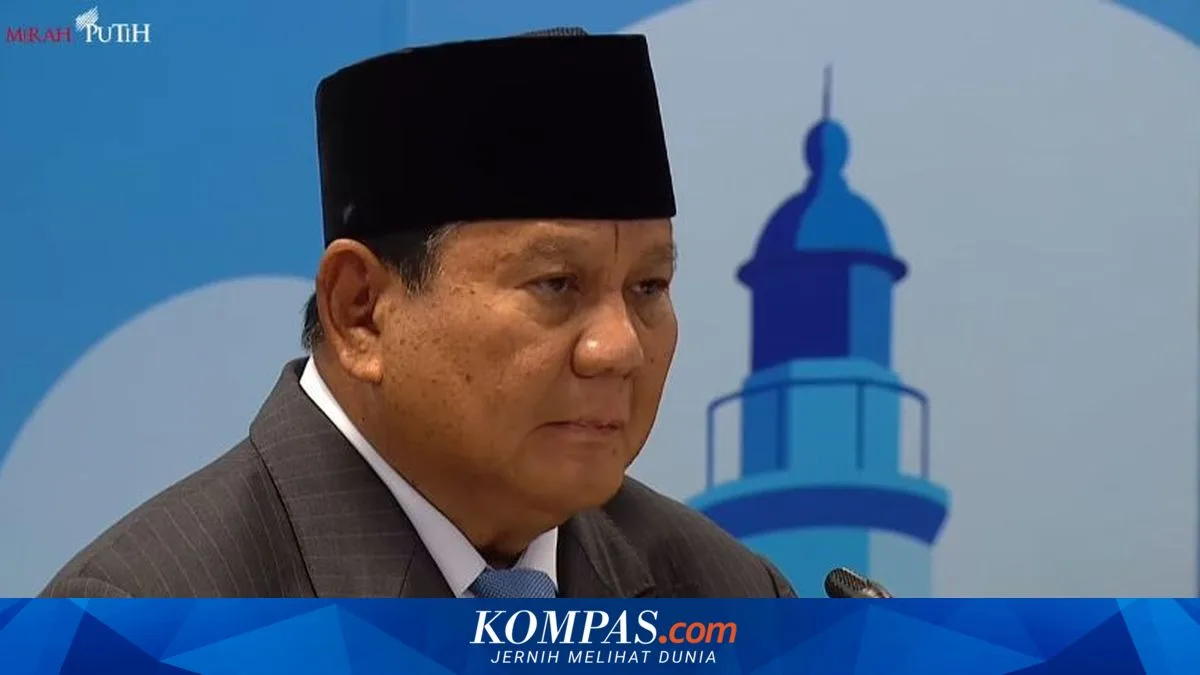
President Prabowo Subianto has officially issued a decree establishing the Directorate General of Pesantren within the Ministry of Religious Affairs. The confirmation was delivered by Religious Affairs Minister Nasaruddin Umar at a press conference at the Merdeka Palace in Jakarta on Wednesday (23/9/2026), marking the separation of pesantren affairs from the Directorate of Islamic Education that previously oversaw them.
According to Nasaruddin, the director general who will lead the echelon I-level directorate was inaugurated four days before the announcement. He described the new body as a form of the government's special attention to pesantren, which have been seen as lacking adequate governance despite numbering in the tens of thousands and being spread across the country.
Notably, the Pesantren Directorate General is not only mandated to develop education. Nasaruddin stressed two tasks that must be executed immediately: closing off room for violence within pesantren and cracking down on institutions that claim to be pesantren without meeting standards. "There are many deviations, institutions that are not actually pesantren but put on the pesantren brand," he said.
For the public, the minister's statement about "violence that once went viral" signals that the government wants to take over a narrative that has long been dominated by social media. Cases of violence in pesantren in recent years have often drawn national attention, triggering demands for transparency and accountability in management. The Pesantren Directorate General is projected to become an official channel for handling such cases, though no clear reporting mechanism has been mentioned.
Institutionally, data collection is the most urgent task. Nasaruddin acknowledged that strong data is needed so the public can distinguish pesantren that genuinely meet standards from institutions that merely use the name. Without a single database, the crackdown risks targeting small institutions in the regions while large pesantren with extensive networks remain difficult to monitor.
"Thus, pesantren will receive special attention from the government. And going forward, it is hoped that pesantren will gain new positive things compared with before," Nasaruddin said.
The Indonesian context matters here. Pesantren are not merely educational institutions but economic and social hubs in many regencies. Policies touching their governance could affect the flow of education funds, government assistance programs, and investment patterns in the sector of worship facilities and dormitories. For investors and businesses in construction, educational equipment, or digital services for pesantren, this new structure could be an entry point for more targeted partnerships.
However, the effectiveness of the Pesantren Directorate General cannot rest on a decree alone. Budget, human resources, and coordination with regional governments are determining variables. So far, oversight of pesantren has been scattered across many ministries and agencies, so crackdowns often stop at appeals. If the new directorate only adds a layer of bureaucracy without adequate investigative authority, old problems risk recurring.
A question worth asking going forward: will the Pesantren Directorate General open data on verified institutions to the public, and how quickly can a violence complaint mechanism be accessed by victims? The answers to those two things will determine whether Prabowo's move becomes a governance breakthrough or merely an addition of nomenclature on paper.