Guterres Ends Term with Stark Warning: Climate Crisis and the Shadow of Capitalism
Baca dalam 60 detik
- António Guterres akan mengakhiri jabatan Sekretaris Jenderal PBB pada 31 Desember, dengan warisan utama menjadikan krisis iklim sebagai prioritas global.
- Ia mengkritik perusahaan bahan bakar fosil karena keserakahan yang mengerikan dan menyerukan transisi energi yang dipercepat.
- Guterres menekankan bahwa ekonomi pasar membutuhkan regulasi yang kuat dan tidak boleh dikuasai kepentingan swasta.
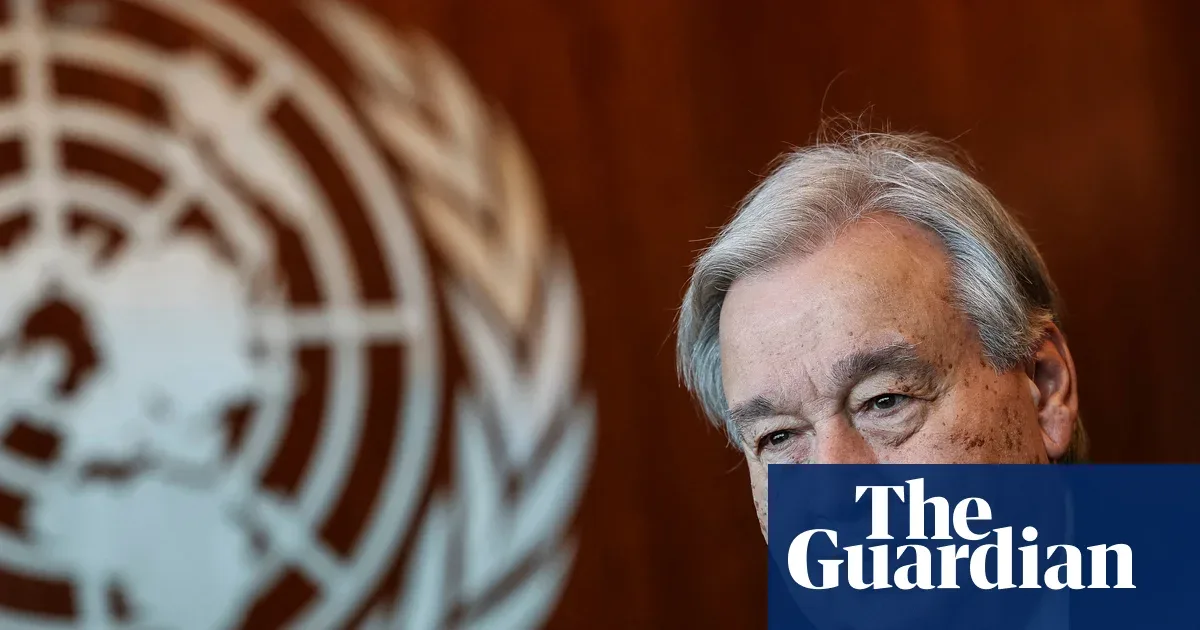
António Guterres, who will end his term as Secretary-General of the United Nations on 31 December, delivered a sharp farewell message on the climate crisis and the role of capitalism. In an interview ahead of his final UN General Assembly, he stressed that climate change is the most urgent existential threat and demands the full attention of the international community.
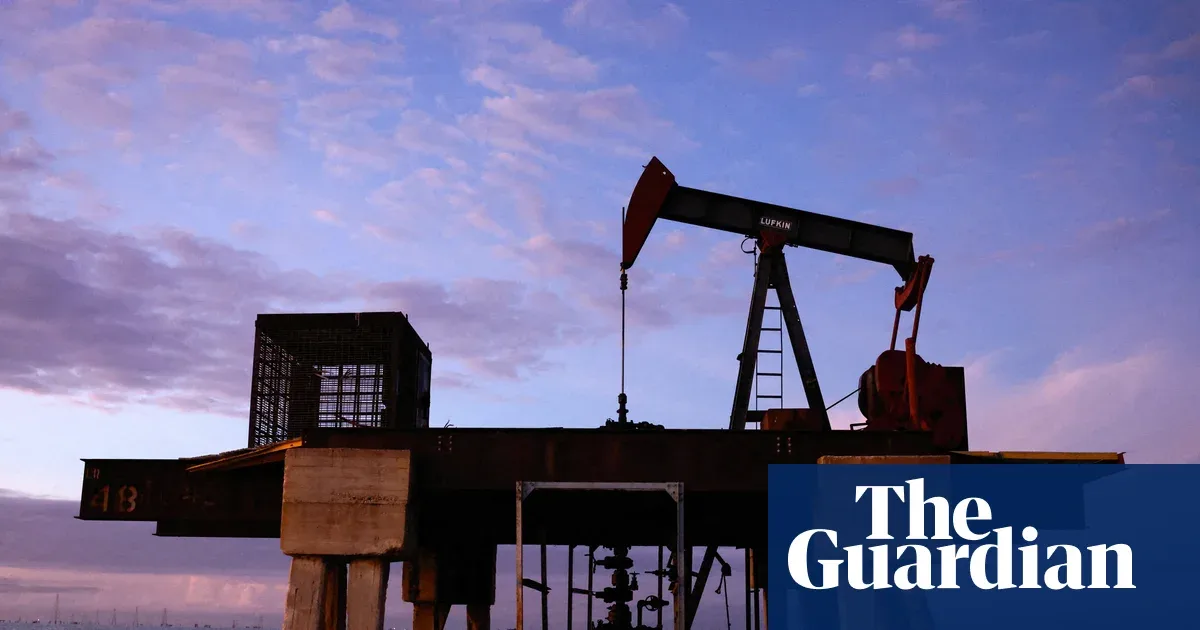
Guterres is known as the most vocal Secretary-General on climate issues compared with his predecessors. He once called fossil fuel companies "immoral" for their "hideous greed", warned that the world had "opened the gates of hell", and welcomed the arrival of the "era of clean energy". His blunt criticism has sparked a global debate about corporate responsibility for climate change.
In the interview, Guterres highlighted that political leadership around the world is often distracted by short-term goals. "Political life runs from hour to hour, while climate is something whose dramatic consequences will only be seen in the long term," he said. For that reason, he argued, the UN has an obligation to keep climate at the center of international attention.
Guterres also highlighted vested interests that want to preserve a development model based on fossil fuels. According to him, there is a systematic campaign financed by the sector's huge profits to divert attention from the impact of fossil fuels. However, he is optimistic that public opinion will become increasingly aware of the risks involved, especially as disasters become more dramatic and heatwaves take a toll on health.
In the context of security, Guterres stressed that dependence on fossil fuel imports is a serious risk for any country. The crisis in the Gulf, for example, has demonstrated that vulnerability. He also warned that scientists say the world is getting closer to tipping points that could accelerate the impact of climate change, such as the slowing of the Gulf Stream (AMOC), which could trigger a drastic rise in sea levels.
"The UN Secretary-General does not have much power, and has no money. But there is one thing I have: a voice. It is my duty to use that voice without compromise, to tell the truth and warn the international community about the dangers it faces," Guterres said.
He acknowledged that the UN should build more alliances outside the traditional political spectrum, including with grassroots organizations and local governments. According to him, dialogue with top-level political decision-makers is too dominant, while public mobilization and alliances with local authorities are underused. Guterres also stressed the need to modernize democratic systems and adapt communication with younger generations through social media.
On capitalism, Guterres distinguished between a market economy and capitalism itself. "If you call capitalism a market economy, the problem is not capitalism. But a market economy needs effective governance, and that governance must come through regulation that lies within the monopoly of political power chosen democratically," he explained. He regretted that in many cases, regulatory bodies are instead controlled by private interests.
Guterres stressed that he supports democracy everywhere, but even in non-democratic regimes, efforts to tackle the climate crisis remain important. He also warned against the use of modern communication technology to reinforce such regimes' authoritarian nature. Although he acknowledged that the world has not done enough, he sees very rapid growth in renewable energy, especially in developing countries that are fossil fuel importers and have an interest in switching to clean energy.
Indonesian Context: For Indonesia, Guterres's remarks are an important mirror. As a country with a high dependence on coal and fossil fuel imports, Indonesia faces pressure to accelerate its energy transition. Strong regulation and governance free from private interests are key. In addition, public awareness of climate risks, such as floods and heatwaves, needs to be raised. The Indonesian government can take a lesson from Guterres's call to strengthen alliances with civil society and local governments in climate mitigation efforts.
With Guterres's term coming to an end, the big question is whether his successor will continue his courage in speaking the truth about the climate crisis, or instead get caught up in short-term political interests. The world awaits a new direction for UN leadership amid an increasingly urgent climate emergency.