Open Letter to the UN: World Demands Equitable Clean Energy Before 2030
Baca dalam 60 detik
- Koalisi tokoh global menyerahkan surat ke PBB yang menuntut akses energi bersih universal pada 2030, dengan tenaga surya sebagai tulang punggung.
- Kapasitas pabrik panel surya di Tiongkok dan India baru terpakai separuh, sementara banyak negara masih menjadikan energi bersih sekadar tambahan, bukan pengganti bahan bakar fosil.
- Bagi Indonesia, target ini menjadi ujian komitmen transisi energi di tengah dorongan hilirisasi mineral dan kebutuhan listrik yang terus tumbuh.
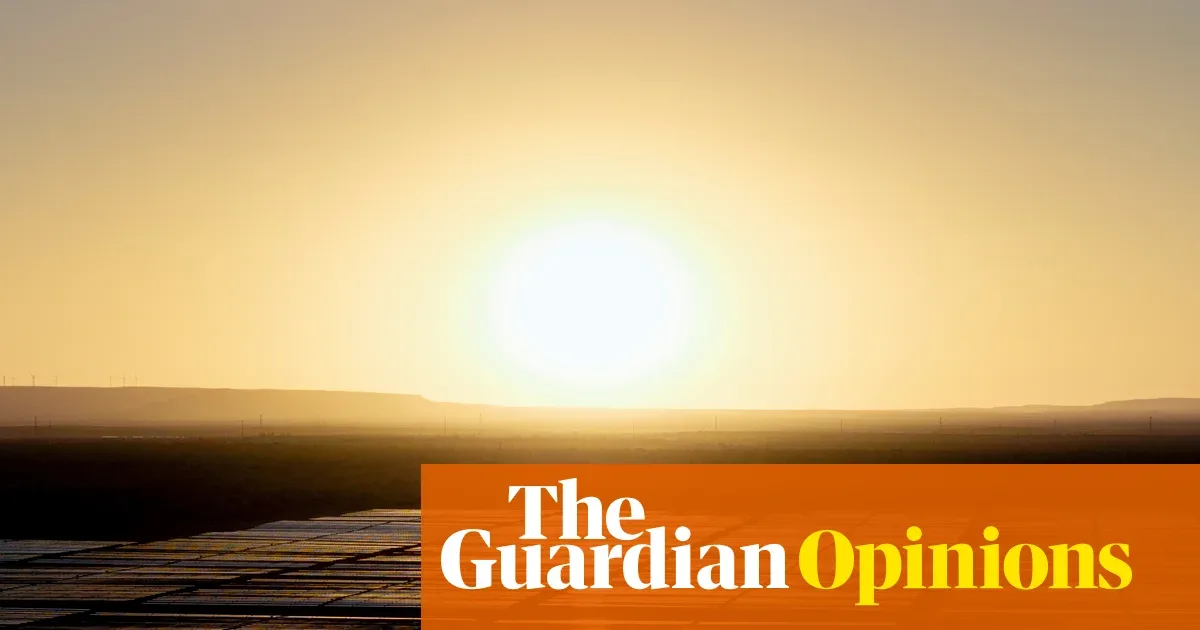
A group of climate figures and international activists handed an open letter to the United Nations (UN) calling for an accelerated energy transition, with a single target: clean energy access for everyone worldwide by 2030. The letter was read on the sidelines of New York Climate Week, an annual gathering of experts that this year took place amid a lack of global political momentum.
The move comes as global temperatures are expected to set a new record in 2026, and could be surpassed again in 2027 as El Nino strengthens. A series of climate disasters—from European heatwaves that killed tens of thousands of people to Nepal floods that wiped out settlements—has reinforced scientists' warnings that the planet's critical threshold is drawing closer. Yet the political response is seen as standing still.
The superpower hosting the meeting, the United States, is said to be aggressively pursuing oil-based "energy dominance." Even Canada, seen as a hope for democratic renewal in America, is busy building new oil and gas pipelines to prop up its economy. The UK, which last year managed to remove coal from its electricity system, is now reported to be preparing to start new drilling in the North Sea. Political priorities appear to have shifted: fear of artificial intelligence agents breaching firewalls is more capable of triggering action than the threat of wildfires in Europe.
Amid the bleak situation, one bright spot still shines: the growth of solar, wind, and batteries. That clean energy trilogy has moved beyond its base in China and spread rapidly across the world—from Karachi to California, from Cuba to remote parts of Africa. Solar panels are being installed faster than any energy source in history. The impact is starting to show: China appears to have begun its emissions decline curve several years earlier than many expected, while California has managed to halve its gas use for power generation in the world's fourth-largest economy.
Nevertheless, the pace of transition is seen as insufficient to catch up with the physics of global warming. Civil society groups are trying to push for accelerated clean energy, because a transition that is moving fast still needs to be driven even faster. The opportunity is open: China and India have not optimized half of their solar panel factory capacity, and too many countries still use clean energy as an additional source, not as a replacement for fossil fuels.
"The road ahead is difficult, but the direction is clear. We want solar power for everyone, everywhere, before this decade ends. If there is one thing that unites us, it is the fact that we live under the same sun. That unity is our strength, and we must use it to act now."
The letter was signed by a string of influential names: US Senator Bernie Sanders, the Philippines' Yeb Saño, known for being vocal after a devastating typhoon, diplomat Laurence Tubiana who played a role in the birth of the Paris Agreement, actress Jane Fonda, Global Solar Council Secretary Danny Kennedy, Fossil Fuel Treaty Initiative President Kumi Naidoo of South Africa, renewable energy entrepreneur Muhammad Mustafa Amjad of Pakistan, and legendary climber Alex Honnold, who runs a solar nonprofit.
Alongside the letter's handover, a giant mural near the High Line in New York City will be inaugurated. Its message is short but firm: "clean energy now"—three words believed to summarize the solution to various interconnected crises.
Indonesian Context
This global call has direct implications for Indonesia. As a country with abundant solar potential—especially in Nusa Tenggara and Sumatra—Indonesia still lags in renewable energy utilization. The target of a 23% renewable energy mix by 2025 and net zero emissions by 2060 demands a major leap, while dependence on coal remains dominant. The push for mineral downstreaming for electric vehicle batteries could serve as a bridge, but without accelerating solar and wind power, the transition will only move half-heartedly. Pressure from global civil society can also push the government to speed up regulations and fiscal incentives for clean energy, while opening opportunities for foreign investment in the solar panel and energy storage sectors.
Ahead of next year's New York Climate Week, the physical and political landscape could change drastically. El Nino is predicted to literally redraw the world map, while waves of public movements demanding real action could force leaders to take bold steps. With increasingly mature technology and continuously falling prices, a planet powered mainly by sun and wind is no longer a utopia. The question is, will Indonesia be part of that acceleration, or remain left behind in an inevitable transition?