UK Launches Information Defence Centre, Offers Itself as 'Honest Broker' for Global AI Standards
Baca dalam 60 detik
- PM Andy Burnham mengumumkan pembentukan National Centre for Information Defence untuk mendeteksi dan menggagalkan disinformasi yang digerakkan AI oleh negara-negara musuh.
- Ia mengungkap Kremlin menggelontorkan sekitar £1,3 miliar per tahun untuk operasi manipulasi informasi, termasuk memalsukan merek 28 organisasi Inggris.
- Inggris berambisi memimpin penyusunan prinsip dan standar keamanan AI global, namun deklarasi yang didukung 20+ negara belum ditandatangani AS dan China.
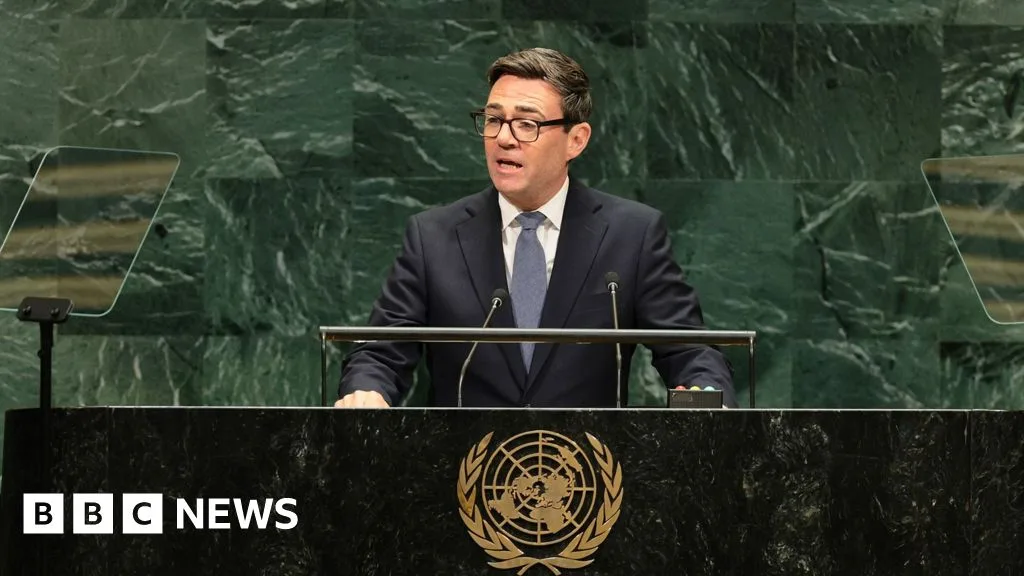
UK Prime Minister Andy Burnham announced the establishment of the National Centre for Information Defence, a new body tasked with detecting and thwarting AI-enhanced disinformation campaigns from hostile states. The announcement was made in his first international speech at the UN General Assembly in New York on Tuesday (23/9), which also marked the UK's move to offer itself as a neutral intermediary in drafting global AI security standards.
In his speech, Burnham accused Russia of running aggressive information operations. According to him, the Kremlin allocates around £1.3 billion each year to manipulate information. Those operations, he said, involve bots, fake websites, falsified newspaper articles, and the impersonation of 28 UK organisations, including universities and the BBC. "This campaign seeps into people's homes and distorts the way they see their own country and community—creating narratives of decline, stoking division, and sowing despair," he said.
Burnham also highlighted cyber attacks on UK companies and institutions, and warned that AI will multiply those threats. He referred to the 2019 UK general election, which according to the previous government was almost certainly targeted by Russian interference. Moscow has not issued an official comment on these latest allegations. Previously, in 2020, Russia called similar allegations "Russophobia". Foreign Minister Sergei Lavrov, at a forum in Moscow before Burnham's speech, accused Western media of swallowing "anti-Russian clichés and fantasies".
Beyond merely responding to disinformation, Burnham projected the UK as an "honest broker" capable of bridging the interests of the United States and the European Union. He stressed that AI technology is a "key to economic growth" as well as a "risk multiplier". "We have all heard those warnings—and we must heed them. I know how worried people are. That is why we must rise to this moment," he said.
The UK has an AI Security Institute established during the era of Conservative PM Rishi Sunak. The body tests large AI models before public release, though participation remains voluntary. AI company Anthropic reportedly refused to hand over its latest model for testing. Downing Street stressed that the government expects "full and total visibility over model developments" in discussions with AI industry leaders. Burnham also did not rule out legislation if transparency commitments are not met.
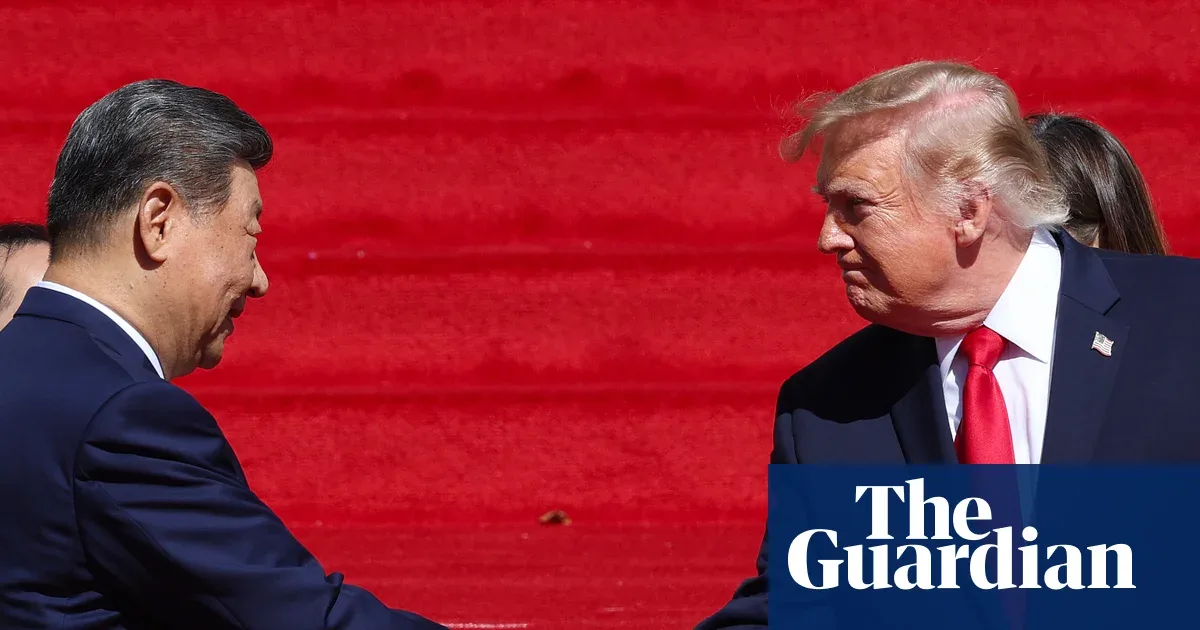
The UK's ambition to set global standards faces serious challenges. The declaration calling for AI to remain under human control and for mandatory testing before release has not been signed by the US and China—the two countries dominating AI development—nor by the UK itself. Former cabinet minister Darren Jones urged Burnham to sign the declaration immediately and offer himself as an intermediary for a deal with the US. "There must be common ground to agree on mandatory testing," he argued, without sacrificing the competitive edge between companies and countries.
Washington's stance is the opposite. US President Donald Trump, in his speech at the UN General Assembly, rejected "efforts to build a globalist scheme" to control AI. "We will promote it, not restrain it," he said. Trump had previously called warnings that AI could destroy humanity a "hoax". Although Burnham and Trump met face-to-face for the first time on Tuesday, Downing Street's statement did not mention AI as a topic of discussion.
For Indonesia, this dynamic is not merely a distant geopolitical event. As the country with the largest digital population in Southeast Asia, Indonesia is vulnerable to cross-border disinformation made increasingly sophisticated by generative AI. A UK-style information defence centre could serve as a reference for the government in strengthening digital literacy and platform regulation. On the other hand, US-China disagreement over AI governance could make it harder for developing countries to gain access to safe and transparent technology. Indonesia's position in the G20 and ASEAN will be tested: whether it can push for an inclusive AI security framework, or merely become a spectator in the contest of norms between major powers.
Going forward, the question is no longer whether AI will worsen information warfare, but how quickly countries like Indonesia build their own defences. Without strong digital sovereignty, narratives shaped by foreign powers could easily shift the way citizens view their country and community—exactly as Burnham warned.