Meta Shows Off Realistic Holograms at Connect 2026, WhatsApp Becomes First Stage
Baca dalam 60 detik
- Meta memperkenalkan sistem avatar holografik yang mampu menampilkan sosok pengguna secara utuh dalam panggilan video, jauh melampaui avatar konvensional.
- Teknologi ini memanfaatkan pemindaian wajah 60 detik dan pemrosesan AI untuk menciptakan model 3D yang dapat berinteraksi secara spasial, berpotensi mengubah cara komunikasi digital.
- Peluncuran bertahap dalam beberapa bulan ke depan menimbulkan pertanyaan tentang privasi data biometrik dan kesiapan infrastruktur di pasar seperti Indonesia.
Meta officially introduced Hologram, a digital avatar system capable of displaying a three-dimensional representation of users during video calls, at Meta Connect 2026. The technology allows the person on the other end to see a virtual figure that moves, speaks, and occupies space realistically—a leap from the cartoon avatars that have long been associated with Meta's platforms.
In a closed demonstration, the Hologram creation process begins with a face scan using an app on a phone. Users only need to turn their head in several directions and answer a few spoken questions so the system can learn their characteristic gestures and expressions. The scan takes about one minute, followed by processing on Meta AI servers for 5–10 minutes to build a personal model ready for use.
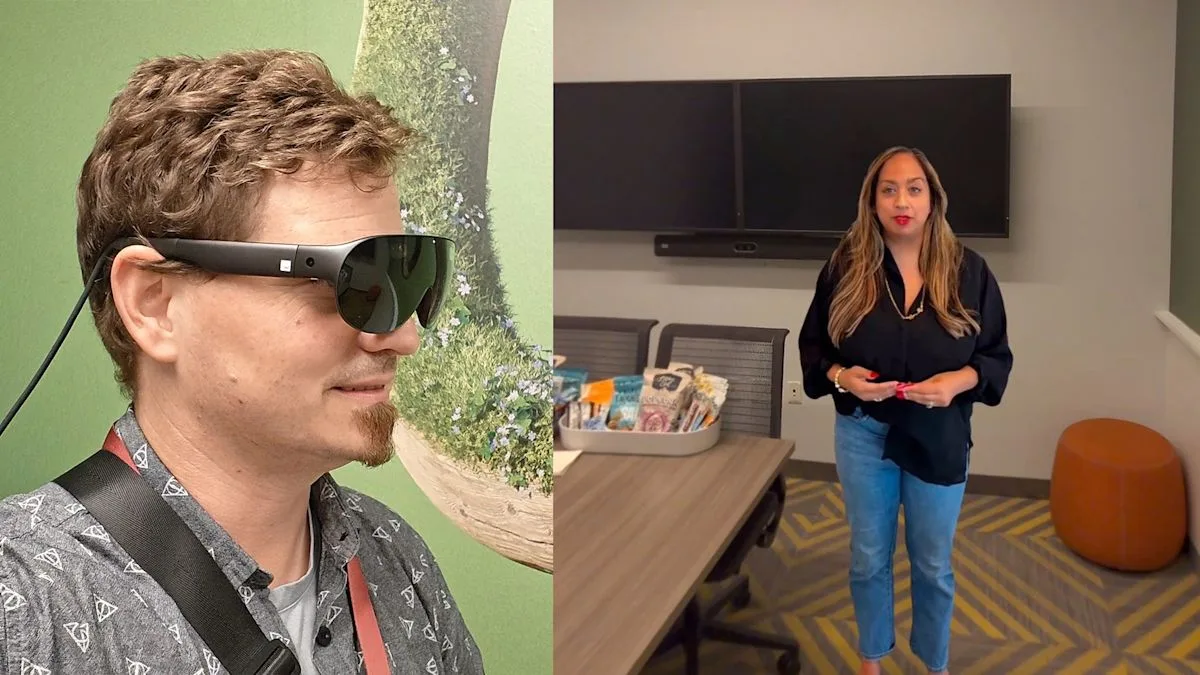
The result is visible in a WhatsApp call: a Meta representative wearing Ray-Ban Display glasses appears on screen without appearing to wear the device. The figure shown is not an actual video recording, but an AI-generated Hologram. In VR mode, users can press a "full person" button so the call window dissolves and the holographic figure stands in the room with accurate body proportions, following movements and voice intonation convincingly.
Meta previously developed this technology under the name "codec avatars" for several years. The name Hologram was chosen to clarify its function for consumers. According to industry observers, this approach marks a shift from conventional text- and video-based communication toward more immersive spatial interaction. However, some parties have highlighted the potential misuse of biometric data because the scan captures details of users' faces and voices.
"The quality is incredible, even a little frightening. This isn't just an avatar, but a representation of yourself that can be present in another space," said a reviewer who attended the demo.
For Indonesia, the arrival of Hologram opens up both opportunities and challenges. On one hand, the technology can enrich long-distance interaction in education, health care, and business. On the other hand, uneven network infrastructure and personal data protection regulations that are still being strengthened remain unfinished business. The government, through the PDP Law, has regulated the use of biometric data, but oversight of implementation at the global platform level remains loose.
Meta has not announced a definite commercial launch date, only saying "in the coming months". The question is whether users in developing countries will get equal access, or whether this technology will remain exclusive to advanced markets. The answer will determine how inclusive this holographic revolution is.