House Pushes Government to Finish Oil and Gas Bill: 30-Day Deadline Nears, Investors Wait
Baca dalam 60 detik
- Anggota Komisi XII DPR RI Yulian Gunhar mempertanyakan kelanjutan pembahasan RUU Migas yang telah disetujui sebagai usul inisiatif DPR pada 18 Agustus 2026, namun belum masuk tahap pembahasan bersama pemerintah.
- Menteri ESDM Bahlil Lahadalia menyatakan dokumen RUU sudah diserahkan ke pemerintah dan akan segera dikoordinasikan dengan Kementerian Sekretariat Negara, tanpa menyebut tenggat waktu spesifik.
- Keterlambatan pembahasan berpotensi menunda kepastian regulasi sektor hulu migas, yang selama ini menjadi sinyal penting bagi investor dan pelaku industri energi nasional.

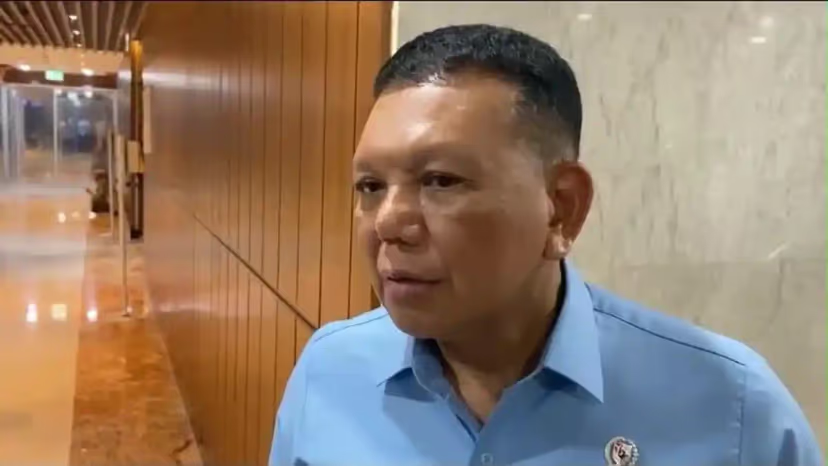
Jakarta — Yulian Gunhar, a member of Commission XII of the Indonesian House of Representatives (DPR RI), questioned the fate of deliberations on the Oil and Gas Bill (RUU Migas) during a meeting with Minister of Energy and Mineral Resources Bahlil Lahadalia on Wednesday (16/9). The question arose because the bill had been approved as a DPR initiative proposal at a plenary session on 18 August 2026, yet there has been no sign that joint deliberations with the government have begun. Parliamentary internal rules set a maximum 30-day deadline from that designation to process the follow-up.
During the meeting, Yulian noted that only a few days remained before the deadline. He argued that clarity on the government's stance was key to preventing drawn-out deliberations. "Today is already the 16th. Under that rule, the maximum is 30 days. What I want to ask is, what on earth is happening with the Oil and Gas Bill," he said at the parliamentary complex in Jakarta.
In response, Bahlil said the bill's draft had been submitted to the government. He promised to coordinate promptly with the Ministry of State Secretariat to ensure follow-up deliberations. "We also want deliberations to take place so that we can produce a better law. So in short, everything is beautiful in its time," Bahlil said.
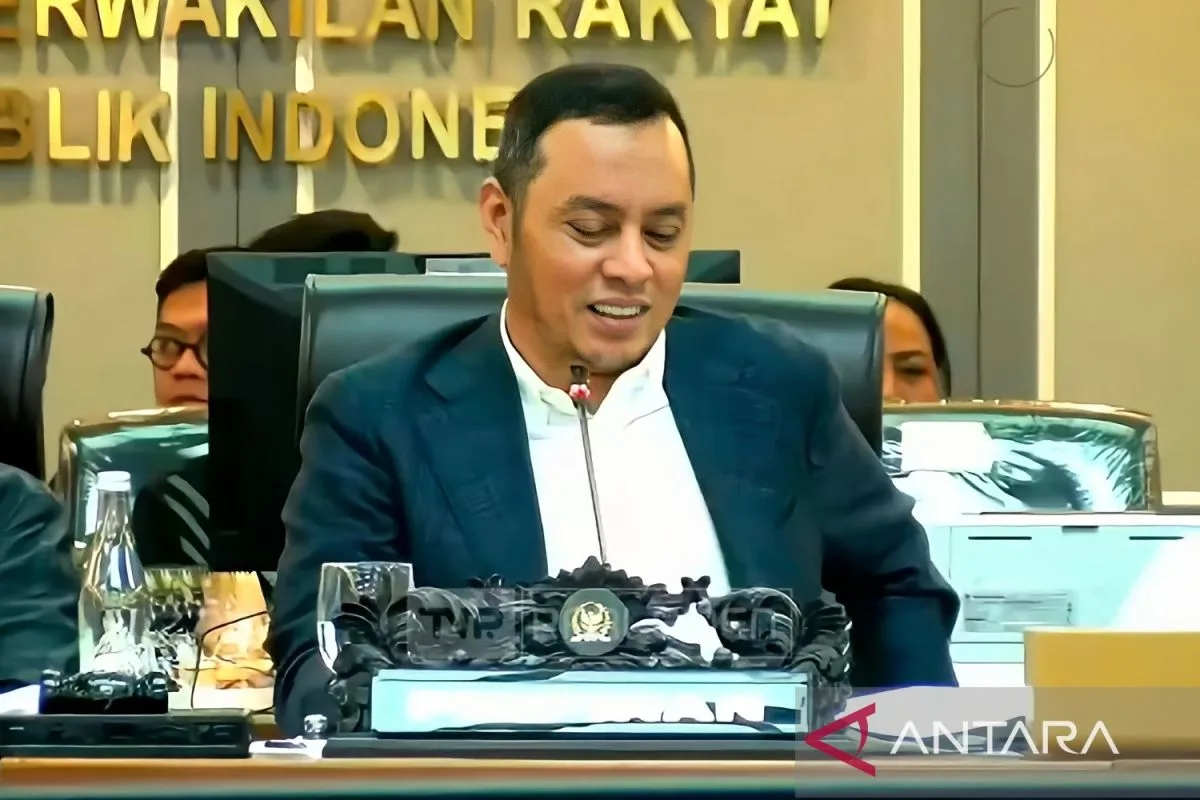
Previously, eight factions in the DPR agreed to the Oil and Gas Bill as a parliamentary initiative proposal. The approval was delivered at the 2nd Plenary Session of the First Sitting Period of the 2026-2027 Session Year on Tuesday (18/8). Nevertheless, the factions raised several important notes, particularly regarding the restructuring of oil and gas institutions, meeting domestic needs, managing state revenue, and strengthening benefits for producing regions.
For market players and investors, the fate of the Oil and Gas Bill is not merely routine legislative agenda. The regulation will determine the direction of governance in the upstream oil and gas sector, including a possible change in the function of the Special Task Force for Upstream Oil and Gas Business Activities (SKK Migas) into a business entity. Prolonged uncertainty could delay investment decisions in a capital-intensive, long-term energy sector.
"We also want deliberations to take place so that we can produce a better law. So in short, everything is beautiful in its time." — Bahlil Lahadalia, Minister of Energy and Mineral Resources
In Indonesia's context, the oil and gas sector remains the backbone of state revenue and a primary energy source. However, saleable production has continued to decline in recent years, while domestic demand has risen. The new Oil and Gas Law is expected to provide legal certainty for production-sharing contracts, fiscal incentives, and joint management mechanisms between the central and regional governments. Without clear regulation, the risk of delays to strategic projects such as gas field development and refineries could increase.
Energy observers argue that accelerating deliberations on the Oil and Gas Bill would send a positive signal for the investment climate. Conversely, if the 30-day deadline passes without clarity, it could reinforce the perception that energy sector reform is moving slowly. The DPR and the government have an opportunity to demonstrate commitment through concrete steps, not merely normative statements.
Going forward, the public will be watching whether the Ministry of Energy and Mineral Resources truly follows up on coordination with the Ministry of State Secretariat within days, or instead lets the bill return to the waiting list. The answer will not only determine the fate of the oil and gas industry, but also investor trust in Indonesia's energy reform promises.