Small Indian Party Raised Rp 3.3 Trillion in Donations, Fielded Just 1 Candidate and Lost
Baca dalam 60 detik
- Enam partai terdaftar tak diakui di India menerima total sekitar 17 miliar rupee (setara Rp 3,3 triliun) pada 2023-24, namun hanya mengusung 15 kandidat dan tak satu pun menang.
- Penyelidik pajak menemukan indikasi penyalahgunaan partai kecil untuk penghindaran pajak, dengan aliran dana melalui akuntan dan perantara yang mengaburkan asal-usul uang.
- Komisi Pemilihan India berupaya membersihkan daftar partai tidak aktif, tetapi tidak berwenang mencabut status badan hukum partai, sehingga pengawasan tetap lemah.
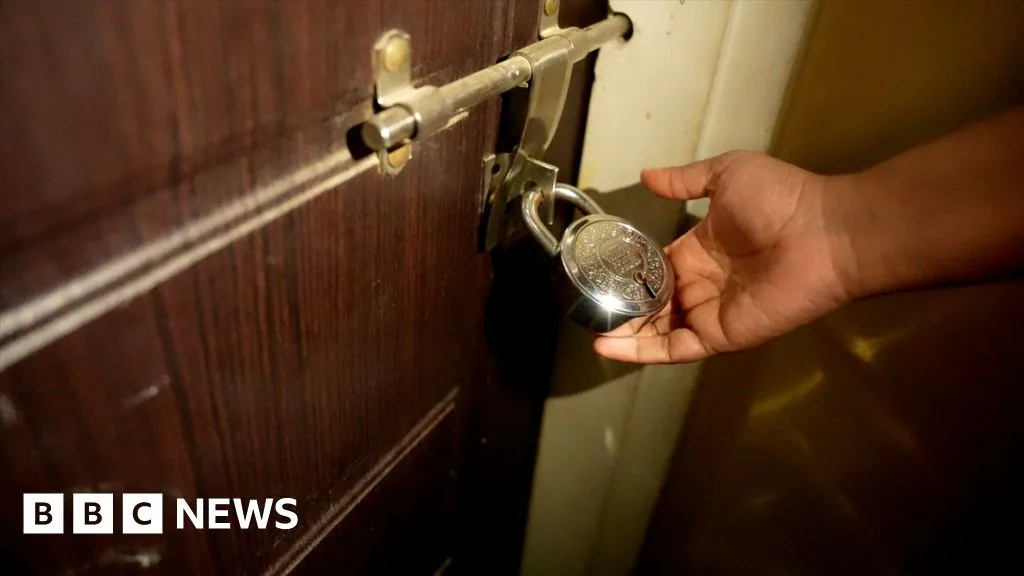
A locked flat in Anand, Gujarat, India, holds a surprising secret: on paper, the Satyawadi Rakshak Party received more than 3.3 billion rupees (about US$35 million) in the fiscal year ending March 2024. A few months later, in the world's largest general election, the party fielded just one candidate—and that candidate lost his deposit. The finding lifts the veil on India's landscape of small parties that has long escaped public attention.
The Satyawadi Rakshak Party is just one of more than 2,800 Registered Unrecognised Political Parties (RUPP). Such entities are legally valid, but have not yet won enough votes or seats to be recognised at the state or national level. Though they rarely contest elections, they can still receive donations and enjoy tax exemptions. Donors can also reduce their taxable income through qualifying contributions. This is the loophole suspected of being exploited for tax avoidance.
A months-long BBC investigation into six RUPP with the largest donations in 2023-24 revealed total receipts of about 17 billion rupees—even though they fielded only 15 candidates in the 2024 election, and none came close to winning. The gap between jumbo funds and minimal electoral presence has raised the suspicions of tax authorities. Internal documents from India's Income Tax Department reviewed by the BBC show investigations into alleged RUPP abuse since at least 2022. The documents identify 55.91 billion rupees as fictitious political donations allegedly made by taxpayers to obtain relief, plus 6.65 billion rupees in foreign transactions, as well as potential violations of tax, foreign funding, and election rules.
On the ground, the BBC found registered offices closed or inactive. Some officials admitted they did not control the party's finances or could not explain the use of large sums. One candidate from the Garib Kalyan Party even admitted he never visited his constituency during the 2024 campaign; he showed only a single poster. Three parties said they had faced action by the Income Tax Department, while another party had its officials' homes raided. Two parties denied any such action. Tax authorities in Bihar, Gujarat, Delhi, and the Central Board of Taxes did not respond to the BBC's questions.
"These parties are electorally inactive, but they receive very large funds and also spend the money," said Shelly Mahajan, a researcher at the Association for Democratic Reforms, an Indian election monitoring body.
The alleged scheme involves public accountants and intermediaries who connect tax-relief-seeking taxpayers with parties willing to accept donations. Three tax officials speaking anonymously said intermediaries can even control party finances. Surender Tiwari, president of the Swatantrata Abhivyakti Party, admitted he does not hold control over his party's money—his public accountant manages it and gives him campaign funds. "The public accountant gave me some money for the campaign. He then showed campaign videos to clients who wanted to get tax relief through donations," he said. The accountant, Mayur Singh, denied any wrongdoing. He said his role was only to prepare audit reports, though he acknowledged working for several parties examined by the BBC. "Try to understand, the same people are behind these parties," he said without elaborating.
The concern does not stop at finances. The Election Commission of India has sought to strike inactive parties from the official list. Last year, more than 800 RUPP that had not fielded candidates for six years were removed. However, the commission lacks the authority to cancel a party's legal registration, so the effect is limited. The BBC asked whether tax authorities shared information about alleged financial irregularities by RUPP, including the six parties examined; the commission did not answer.
For Indonesia, India's RUPP phenomenon is an important mirror. Indonesia has dozens of registered political parties, and although funding regulations are stricter—with mandatory audits and reports to the KPU—similar loopholes could emerge if oversight is weak. The practice of fictitious donations for tax avoidance has surfaced in certain domestic cases, signalling the need for transparency in party funding flows. Tax and election authorities in Indonesia can take a lesson: strengthen donor verification, tighten audits, and clarify sanctions for parties that receive unreasonable funds.
Going forward, the main challenge for India is to uncover who actually controls the small parties, where the money flows from, and where it ultimately goes. Without a thorough investigation, public trust in the integrity of elections could erode. Will India—and other countries with similar party ecosystems—be able to close this loophole before it becomes a cancer on the democratic system?