Serang Government Slaughter 1,000 Goats: Indonesia's Qurban Pilot
Baca dalam 60 detik
- Slaughtering 1,000 goats in a single event requires rigorous logistics and coordination.
- The collaboration between Pemkab Serang and PT KAF demonstrates how public-private partnerships can handle large-scale religious obligations efficiently.
- This pilot could serve as a blueprint for other regions.
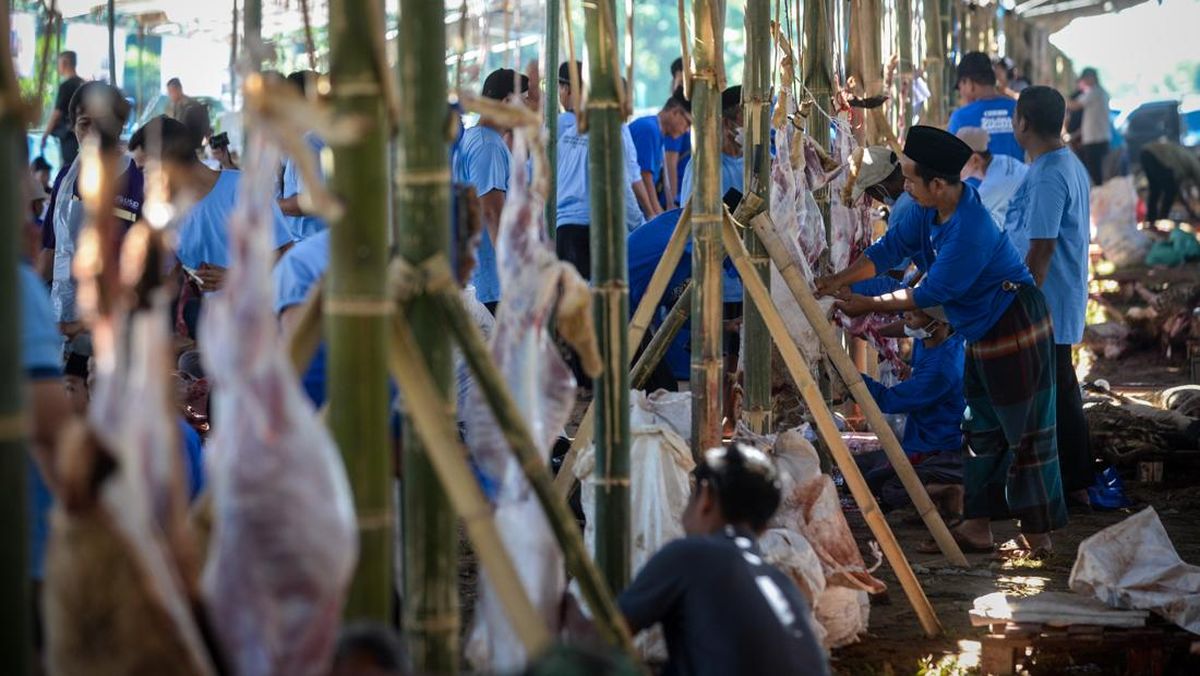
Slaughtering 1,000 goats in a single event requires rigorous logistics and coordination. The collaboration between Pemkab Serang and PT KAF demonstrates how public-private partnerships can handle large-scale religious obligations efficiently. This pilot could serve as a blueprint for other regions.
Distributing 9,163 qurban packages ensures that meat reaches thousands of families, maximizing social impact. The scale of this operation suggests a shift from fragmented local slaughter to a consolidated, systemic approach. Data on distribution efficiency and recipient satisfaction will be critical for replication.
If successful, this model could reduce waste and improve hygiene standards compared to traditional methods. The government's role in facilitating and monitoring the process adds a layer of accountability. Other regencies are likely watching closely for cost and logistical benchmarks.
Power Move: By turning a religious ritual into a scalable logistics operation, Serang creates a template for Indonesia's qurban distribution. Expect other regions to adopt similar public-private partnerships, potentially transforming the entire sector within two years.
This article was edited with AI assistance for readability. Read original here.