When Grief Goes Unspoken: Silent Therapy in Cinemas and Lessons for Indonesia
Baca dalam 60 detik
- Kehilangan anggota keluarga mendorong seorang perempuan muda menemukan ruang aman di bioskop, bukan lewat percakapan terbuka.
- Fenomena ini menyoroti peran ruang publik non-terapeutik sebagai penopang kesehatan mental yang kerap luput dari perhatian.
- Di Indonesia, minimnya layanan konseling dan ruang aman serupa menuntut pendekatan alternatif yang lebih mudah diakses.
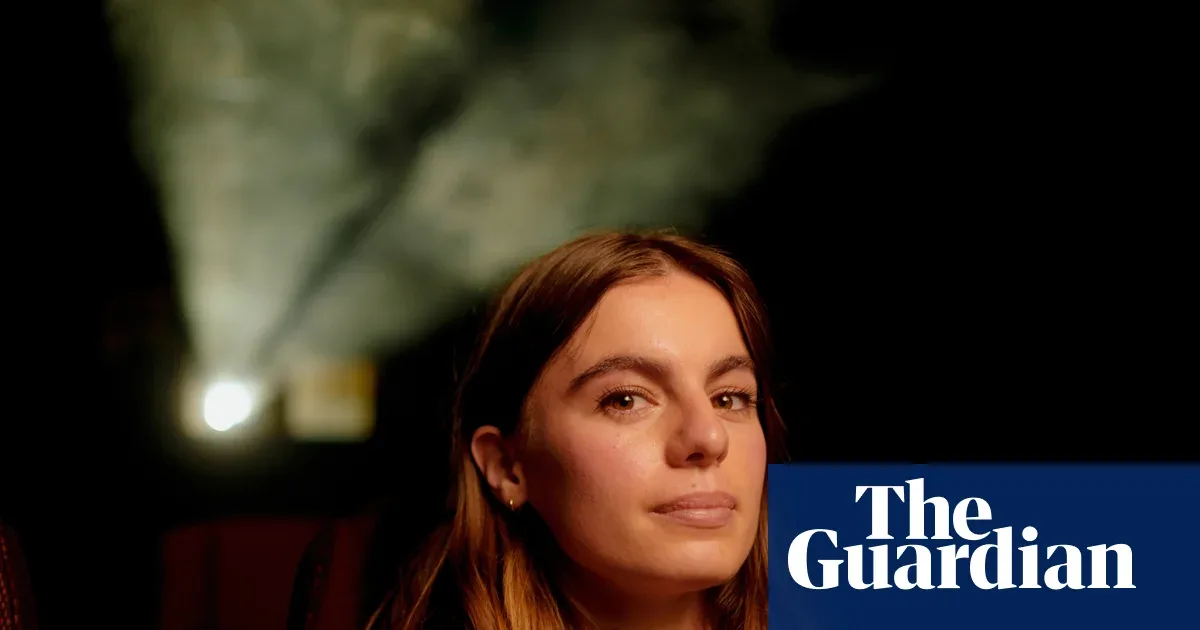
Losing a sibling at a young age forces a person to rearrange their life. That is what happened to a woman from Greenwich, England, after her younger sister drowned in 2022. Instead of pursuing a career or moving house, she chose to stay at home with her parents, trapped in a numbing grief. Yet from that low point, she found an unexpected escape: a cinema seat.
At home, grief took three different forms. Her mother turned to exercise, her father drowned himself in music, while she sought escape. A grey January became the peak of emptiness. Her mind was foggy, her body hypersensitive to light and sound, and most torturous of all: she felt nothing. "I was in limbo," she recalled, adding that returning to routine felt pointless.
A billboard at the local cinema offered under-25 membership with weekday tickets at £5.99. Armed with her father's coat and a bottle of tea, she walked down the hill towards Greenwich. The film Corsage, a feminist tale about Empress Sisi of Austria, became a turning point. The character played by Vicky Krieps was portrayed as mischievous and full of conspiracy. "I felt long-buried emotions rise to the surface. When the lights came on, it was like a valve had opened and the pressure released," she said.
Though it may seem trivial, watching films in a cinema alongside strangers offered an implicit solidarity. Sitting in the dark, she could let her face crumple without fear of judgment. "I once read that in a cinema, strangers' hearts can beat in unison. That is more comforting than conspicuous sympathy," she said. She avoided films about loss such as One Fine Morning because they were too painful, and chose viewing that lifted her spirits.
Over time, those films rekindled her curiosity. How to Blow Up a Pipeline sparked an interest in ecology, while the documentary Your Fat Friend inspired her first journalistic article on atypical anorexia. By March, she began to recover. "Watching films that were funny, sad, and silly reminded me of the world outside the bubble. I decided to come back," she said.
"In the cinema, I could feel sadness without having to explain it. It was like loosening a tense muscle, not pressing on a wound."
This story highlights a rarely discussed phenomenon: non-therapeutic public spaces can support mental health. In the UK, counselling services are available, but not everyone is ready or able to access them. The cinema became a cheap and undemanding alternative. Research shows that watching films collectively can trigger emotional release and reduce feelings of isolation.
In Indonesia, access to mental health services remains limited. Data from the 2018 Basic Health Research (Riskesdas) shows the prevalence of depression among those over 15 reached 6.1%, yet only a small fraction receive professional treatment. Stigma and cost are the main barriers. Cinemas in major cities such as Jakarta, Bandung, and Surabaya could serve as similar safe spaces, but ticket prices that are unaffordable for some are an obstacle. Initiatives such as community cinemas or free public screenings could be a solution.
Moreover, the culture of mutual assistance and local communities in Indonesia actually has potential as a support system. However, this approach needs to be facilitated with non-judgmental activities, such as film clubs or art discussions. The role of local governments and civil society organisations is crucial to provide inclusive third spaces.
Looking ahead, the question is: can Indonesian cities provide a quiet space for recovery amid the hustle and bustle? Or will mental health remain a luxury for those who can afford it? This story from Greenwich at least shows that sometimes, the best medicine is not words, but presence in silence.