Iran-US Ceasefire Talks: Diplomatic Gamble or Power Play?
Baca dalam 60 detik
- Both sides face mounting internal pressures—Iran from economic sanctions, the US from military fatigue.
- A ceasefire offers Tehran relief from crippling isolation while giving Washington a foreign policy win.
- The stakes: control over nuclear ambitions and regional proxies.
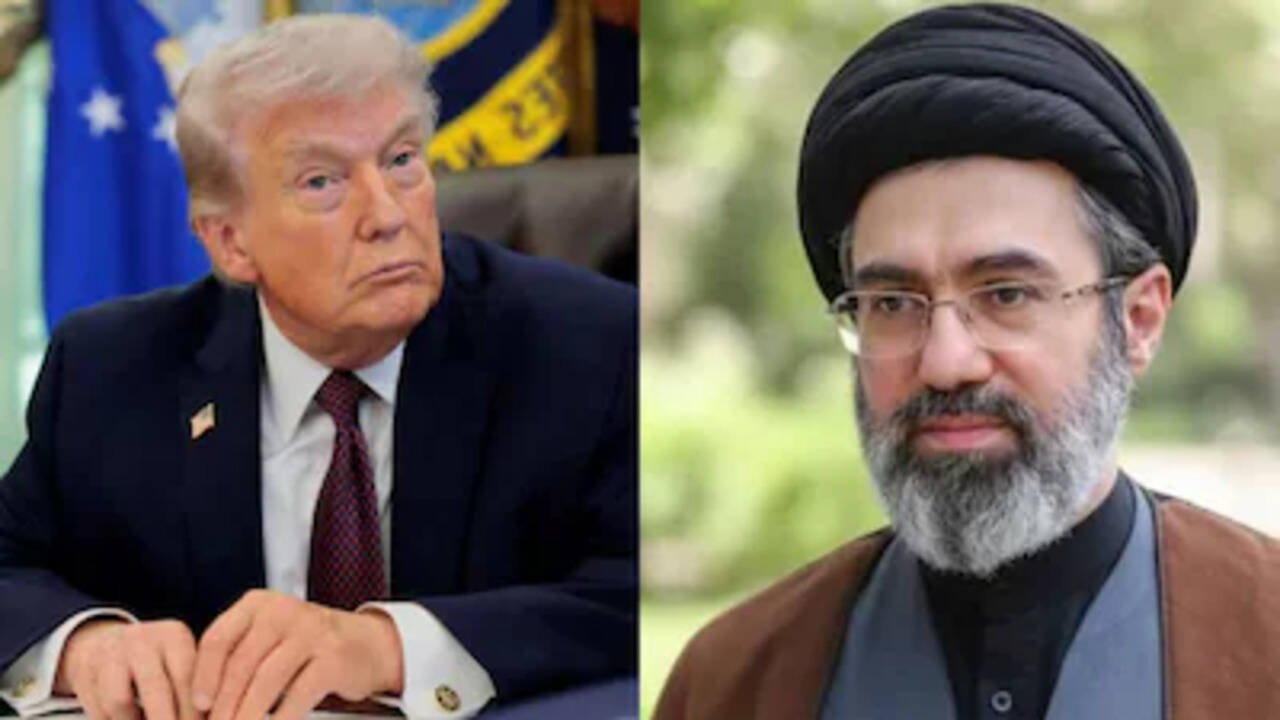
Both sides face mounting internal pressures—Iran from economic sanctions, the US from military fatigue. A ceasefire offers Tehran relief from crippling isolation while giving Washington a foreign policy win. The stakes: control over nuclear ambitions and regional proxies.
Key sticking points include Iran's ballistic missile program and support for militias in Iraq and Yemen. The US demands verifiable commitments, while Iran seeks guaranteed sanctions removal. Trust deficits mean any deal will require phased implementation and third-party monitoring.
Regional powers watch warily—Saudi Arabia and Israel oppose concessions, while Russia and China back Iran. A ceasefire could fracture existing alliances or create new diplomatic openings. The timing suggests both nations see strategic advantage in temporary calm.
Power Move: A ceasefire won't resolve core conflicts but buys both sides breathing room. Iran gains economic relief; the US pivots resources to Asia. Watch for proxy war activity to shift, not stop—power dynamics rarely change without leverage.
This article was edited with AI assistance for readability. Read original here.