
Kerala Political Myths Exposed: Power Plays Behind Porticos
Baca dalam 60 detik
- The myth of Kerala's political exceptionalism crumbles under scrutiny—the state's high literacy and social indicators don't insulate it from hard-nosed power politics.
- Behind the rhetoric of consensus lies a fierce battle for control of resources and vote banks.
- The Left Democratic Front and United Democratic Front both rely on strategic alliances that shift with electoral winds.
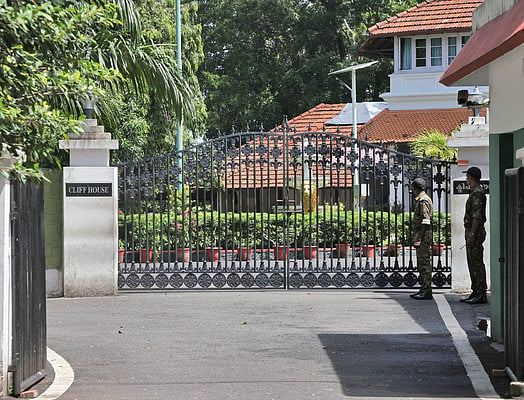
The myth of Kerala's political exceptionalism crumbles under scrutiny—the state's high literacy and social indicators don't insulate it from hard-nosed power politics. Behind the rhetoric of consensus lies a fierce battle for control of resources and vote banks. The Left Democratic Front and United Democratic Front both rely on strategic alliances that shift with electoral winds.
Porticos symbolize more than architecture—they represent the public face of power while private deals shape policy. Political families and caste networks operate as shadow power structures, influencing candidate selection and government contracts. The real decisions happen in closed rooms, not on public platforms.
Kerala's political myths serve a purpose: they project unity while masking internal fractures. The ruling party's ability to maintain coalition discipline is a strategic asset, but growing dissent threatens stability. Opposition parties exploit these cracks, using local issues to weaken the government's hold.
Power Move: Kerala's political myths are strategic assets—but they're also vulnerabilities. As generational shifts and new economic pressures emerge, the gap between narrative and reality will widen. The next power move belongs to whoever can rewrite the myth to fit a changing political reality.
This article was edited with AI assistance for readability. Read original here.


