Texas Primary Runoffs: Voters Decide Political Future
Baca dalam 60 detik
- Runoff elections occur when no candidate exceeds 50% in the primary, forcing a head-to-head rematch.
- This cycle's runoffs feature fierce ideological wars between establishment and hardline factions, particularly in the GOP.
- The outcomes will signal which wing controls the Texas Republican Party heading into the general election.
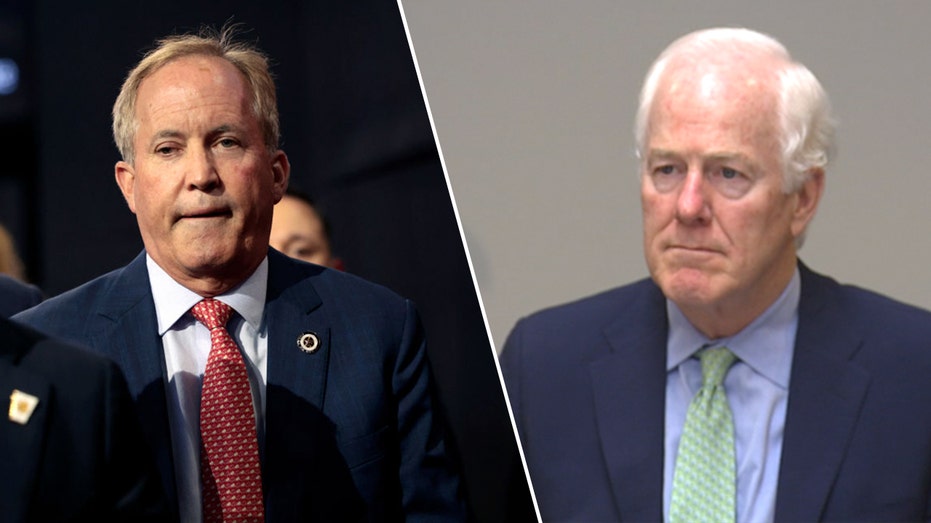
Runoff elections occur when no candidate exceeds 50% in the primary, forcing a head-to-head rematch. This cycle's runoffs feature fierce ideological wars between establishment and hardline factions, particularly in the GOP. The outcomes will signal which wing controls the Texas Republican Party heading into the general election.
Democrats face their own internal struggles, with progressive challengers taking on moderate incumbents in several districts. These races test whether the party's leftward shift resonates with Texas voters. A strong progressive showing could reshape Democratic strategy for 2024.
National money floods into these local races, as both parties view Texas as a bellwether for broader electoral trends. The results will provide early indicators of voter enthusiasm and messaging effectiveness. Campaigns that master turnout operations in low-information runoffs gain disproportionate influence.
Power Move: Whoever wins these runoffs gains not just a nomination, but momentum. Expect the victors to leverage grassroots energy into a blueprint for November. Losing factions will face internal reckoning—potentially fracturing party unity.
This article was edited with AI assistance for readability. Read original here.