Cikarang Worker's Finger Severed in Machine Accident, KDM Summons Company and Calls for Enforcement of Worker Protection
Baca dalam 60 detik
- Gubernur Jawa Barat Dedi Mulyadi menyoroti insiden kecelakaan kerja yang membuat jari seorang karyawati di Cikarang putus dan memanggil pihak terkait untuk bertemu.
- Korban mengaku tak menerima kompensasi dan gajinya tetap dipotong, memicu pertanyaan tentang kepatuhan perusahaan terhadap aturan ketenagakerjaan.
- KDM menuntut seluruh perusahaan di Jawa Barat memenuhi kewajiban perlindungan keselamatan kerja agar kejadian serupa tidak terulang.
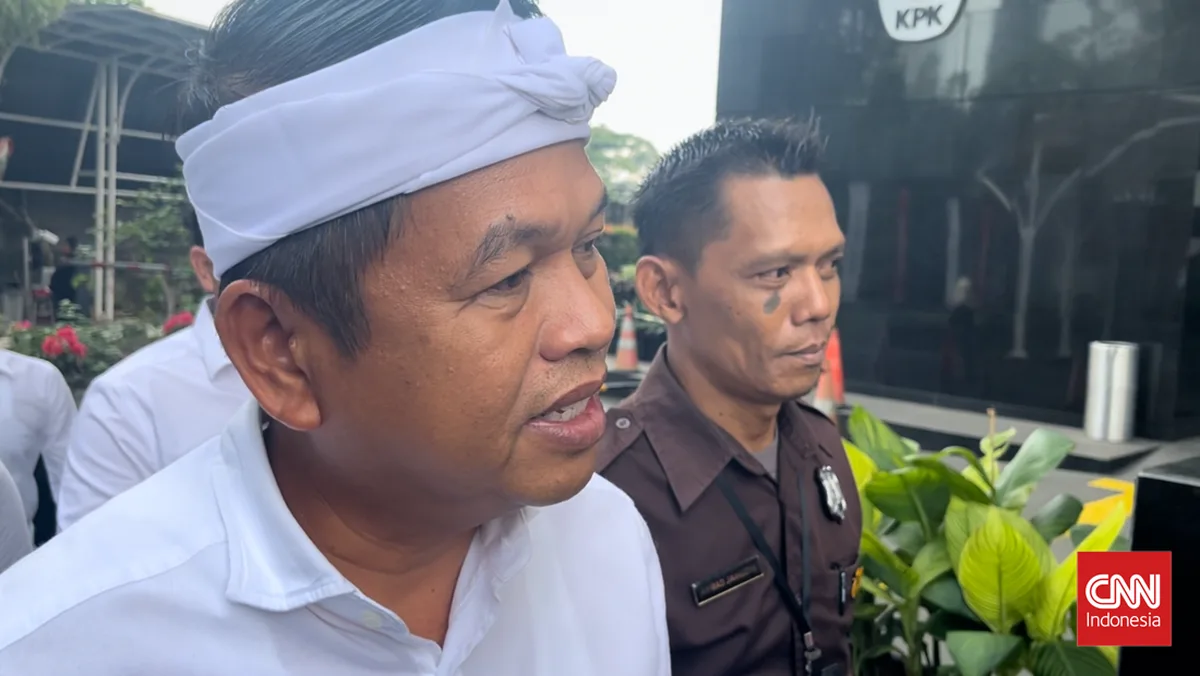
West Java Governor Dedi Mulyadi has highlighted a workplace accident that severed the finger of a female worker in Cikarang, West Java, after it was caught in a machine. The incident drew attention after the victim revealed that she received no compensation and that her wages were still being deducted after the accident.
In a video uploaded to his personal Instagram account, @dedimulyadi71, on Saturday (7/11), Dedi expressed concern over the misfortune that befell the worker. He said he would hold a meeting with the victim on Monday (9/11) to seek a way out of the problem she faces.
This case is not merely an individual event. It reveals gaps in the implementation of worker protection in the industrial sector, especially in manufacturing-dense areas such as Cikarang. When a worker suffers a serious injury but instead faces wage deductions and the absence of compensation, questions about the effectiveness of labor supervision become unavoidable.
Dedi stressed that companies must fulfill their responsibility to protect workers from the risk of workplace accidents. According to him, such incidents must not recur. He asked all companies in West Java to comply with labor regulations, including ensuring occupational safety for all employees.
"Companies must fulfill their obligation to protect all employees from workplace accident problems and ensure that employees receive occupational safety protection," Dedi said.
The governor's statement underscores two interrelated issues: the prevention of workplace accidents and the fulfillment of workers' rights after an accident occurs. In many cases, injured workers instead face a double burden—losing physical ability and facing a threat to their income. If companies do not fulfill their compensation obligations, the state, through regional governments, needs to step in to ensure that workers' basic rights are not ignored.
The Cikarang area is known as one of the largest manufacturing industry centers in Indonesia, with thousands of workers involved in it. The high intensity of production and the use of machinery increase the risk of workplace accidents. Therefore, supervision of occupational safety standards and company compliance is crucial. This case could be a test for the provincial government in enforcing the rules, not merely responding symbolically.
Dedi's move to summon the victim for a meeting deserves appreciation as a quick response. However, the public will wait to see whether the meeting produces a concrete solution, including proper compensation and a guarantee that the company will be held responsible. Beyond that, whether this case will drive a more systematic strengthening of labor supervision in West Java, or merely stop as a momentary concern.