When Food No Longer Comes by Road: Food Security Lessons from Juneau, Alaska
Baca dalam 60 detik
- Ibu kota Alaska, Juneau, nyaris tidak memiliki lahan pertanian datar dan musim tanam hanya lima bulan, sehingga pasokan pangan bergantung pada jalur laut dan udara.
- Angka impor 95% yang sering dikutip tidak menangkap ekonomi berbagi dan panen subsisten yang menjadi tulang punggung pangan masyarakat adat di sana.
- Model petani kecil, langganan sayur mingguan, dan rumah kaca keliling menawarkan alternatif bagi daerah terisolasi yang rentan gangguan rantai pasok.
At the northern end of Glacier Highway, about 65 kilometers from downtown Juneau, the asphalt turns to gravel and stops at the edge of the forest. Residents call the area “out the road” — the only land route into Alaska's capital. As a result, almost everything that arrives in the city of 35,000 people must come by sea or air, including food.
Juneau has almost no flat, fertile land. The growing season lasts only from May to September, and the soil is naturally acidic and needs amending. That explains why the 95% food import figure is so often cited by officials, researchers, and journalists in Alaska — even though, as KTOO reported, the figure has never been traced to a definitive source.
But that figure does not tell the whole story. Meghan Stangeland, a food program manager at the nonprofit Ecotrust, notes that the 95% refers to commercially purchased products, not to all the food residents eat. “There are so many food economies in Alaska that don't go through money transactions,” she said, adding that sharing culture and subsistence harvests have long been a mainstay.
In rural Southeast Alaska, about 14 communities can be reached only by boat or plane. Ricardo Worl, a communications official at Sealaska Heritage Institute who is of Tlingit descent, describes the mixed economy there: cash serves subsistence harvests, not the other way around. “Subsistence harvest is not just culture, it's survival. When we harvest, even if it's just a few fish, we share the best parts with grandparents or elders,” he said.
That solidarity does not automatically guarantee equal access to food. Not every Juneau resident has a boat and a freezer to process large catches. Worl says the informal processing center in a community is usually in an aunt's kitchen. This is where the formal food market tries to fill the gap.
Joe Orsi, a 67-year-old retired fisheries biologist, farms a third of a hectare of terraced land on a hillside. He has tried about 45 garlic varieties to find ones suited to the acidic soil and short season. His income is only about USD 20,000 a year. “I feel blessed to be able to work this land,” he said.
Some of Orsi's produce is sold to Juneau Greens, John Krapek's hydroponic business, which started with 18 beds in 2017 and now runs 100 beds. Krapek says he cannot compete with cheap vegetables from California, so he switched to a weekly subscription model that now has 425 members. The model stabilizes demand and allowed him to open a store in 2024. “It's really nice to actually know the customers and the chefs who work with us,” he said.
At Sealaska Heritage Institute, students and staff use a traditional food and medicine kitchen to pack halibut. Anya Nelson, the institute's director of science and higher education, says classes there teach generational salmon preservation methods that can keep fish for months without a refrigerator. “There's a lot of science in it,” she said.
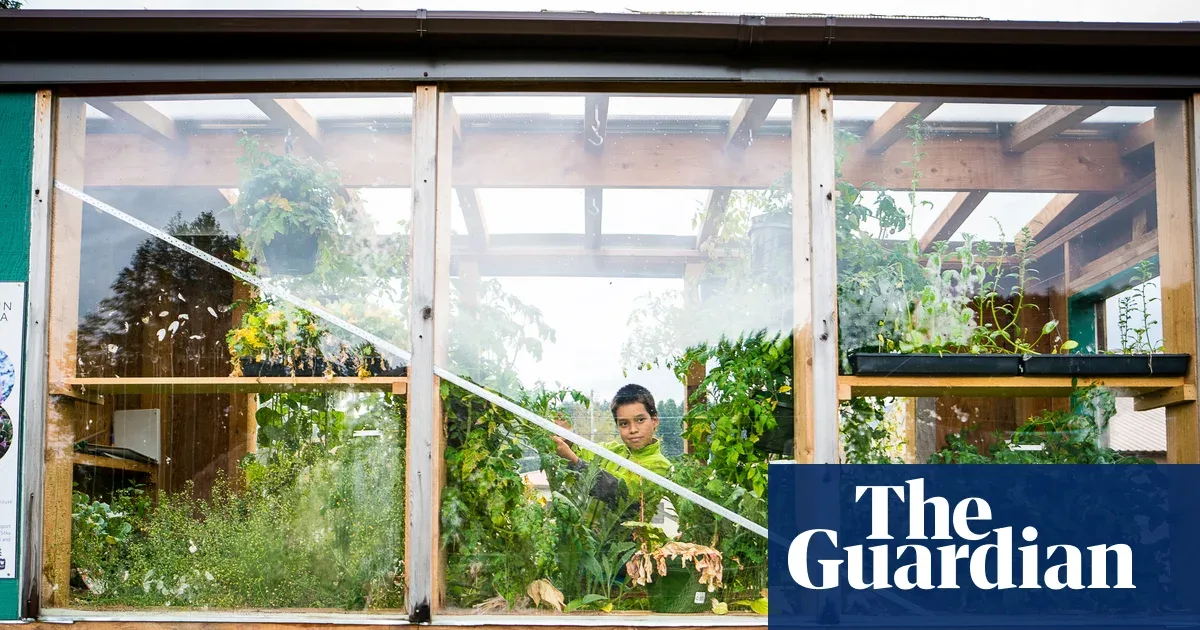
The Discovery Southeast school garden program produces 1,300 pounds of food per year from two elementary schools. Joel Bos, the program manager, says a harvest that can be shared builds a sense of ownership. Ecotrust also operates Moby, a mobile greenhouse that travels between communities by ferry; almost every place it has visited now has a permanent greenhouse.
For Indonesia, Juneau's experience is relevant to island and remote areas that depend on ships and aircraft. Reliance on a single logistics route makes food prices vulnerable to spikes during bad weather or supply disruptions. The small-farmer model, community subscriptions, and mobile greenhouses can be an inspiration, provided scale and policy support are adapted.
The question is whether local governments in isolated areas will strengthen local food production and sharing networks, or continue to lean on vulnerable outside supplies?