UK Regulator Ultimatum to South West Water: 113.5 Million Litres Leaking Daily Amid Extreme Drought
Baca dalam 60 detik
- Ofwat, Environment Agency, dan Defra memberi South West Water tenggat enam pekan untuk menyusun rencana penanganan kebocoran yang telah gagal memenuhi target selama tujuh tahun.
- Kebocoran mencapai 113,5 juta liter per hari—setara 45 kolam renang Olimpiade—sementara 82% wilayah Inggris masih dilanda kekeringan dan sebagian Devon, Cornwall, hingga Sussex berada pada status ekstrem.
- Sekitar 325.000 orang dan ribuan usaha di Exeter serta Devon tengah dan timur terancam pemutusan pasokan, memicu risiko penutupan sekolah dan kerugian ekonomi.
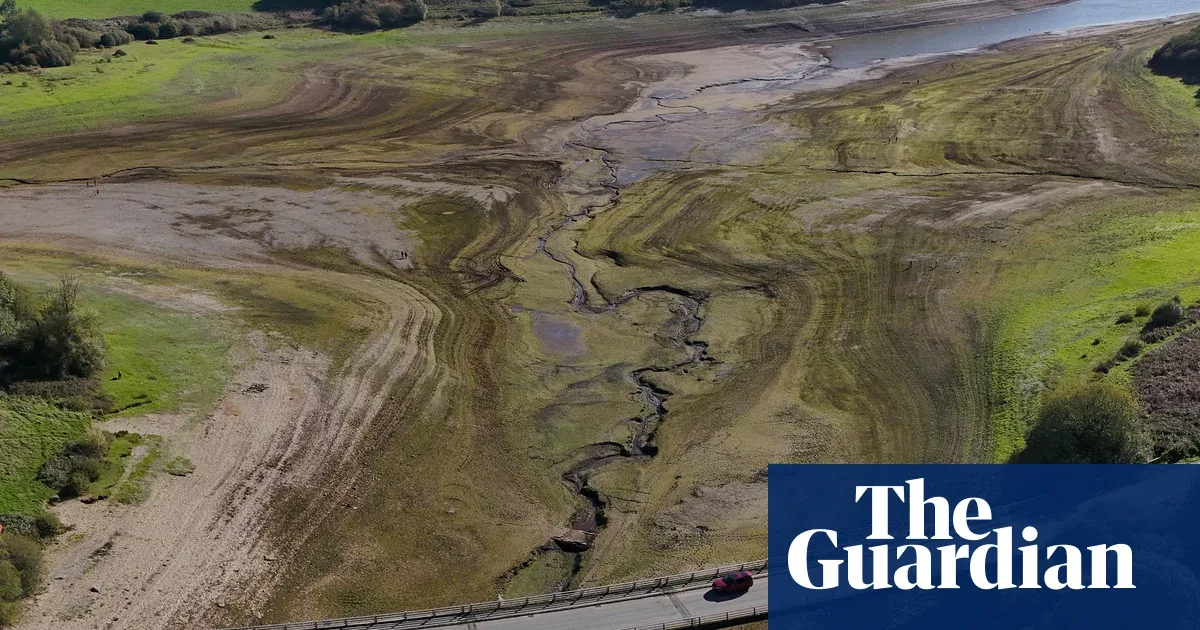
The UK water regulator has put extraordinary pressure on South West Water: the private water company serving 1.8 million customers in southwest England has been given six weeks to submit an action plan to fix leaks, after failing for seven consecutive years to meet targets for reducing leaks and repairing burst pipes. The ultimatum comes as most of England is still battling a drought that shows no sign of easing.
A joint letter dated 26 October from Ofwat, the Environment Agency, and the Department for Environment, Food and Rural Affairs (Defra) said South West Water's leakage rate was 18.5% above projections and had risen compared with the previous year. "Given the ongoing drought conditions, this shortfall places customers at higher risk. This is unacceptable," the three bodies wrote, as quoted by the Guardian.
Regulator data shows South West Water loses 113.5 million litres of water every day from its pipe network and infrastructure—equivalent to 45 Olympic-sized swimming pools. That figure is up 5.7 million litres per day compared with last year. For the regulator, this rising leakage trend is not merely a matter of operational efficiency but a direct threat to the security of customers' supply.
Extreme drought has been declared in parts of Devon, Cornwall, Dorset, Somerset, East Sussex, and West Sussex. The National Drought Group reported that around 82% of England remains in drought conditions. The Met Office estimates that rainfall at 120% of the normal average over seven months is needed to fully exit drought status—a target that is meteorologically difficult to meet in the near term.
After the driest April to September period in more than a century, worsened by the climate crisis, water reserves in several reservoirs are at critical levels. Wimbleball Reservoir, which supplies South West Water customers in east Devon, north Devon, Somerset, and west Dorset, holds only 16% of its capacity. Several smaller reservoirs in Devon and Cornwall are also in worrying condition.
Complicating the situation, South West Water sent letters to households in affected areas asking them to reduce water consumption. Yet the company did not acknowledge that the scale of its own leakage was also increasing the risk of supply cuts. The regulator highlighted this contradiction: "Achieving the planned reduction in leakage is reputationally important because you are asking customers to reduce their water use," the letter said.
"Households and businesses have been asked to save water to avoid worse drought restrictions, and told it was all down to dry weather. Now we know South West Water has been repeatedly warned for seven years that they were not doing their part on leaks, and they are still failing," said Julian Brazil, leader of Devon County Council.
Brazil added that the failure puts rivers and wildlife at risk of prolonged environmental damage and could leave thousands of customers and businesses facing supply restrictions. He also touched on the irony of tariffs: residents in the area are said to pay the highest water bills in England since 1989, while the company continues to reap large dividends for shareholders.
Amid the crisis, the UK government announced the creation of eight new regional water boards that will bring together local leaders, customers, and businesses to set priorities for water companies and direct billions of pounds of investment in water and flood infrastructure. Local leaders have been asked to submit proposals for managing the new bodies before the end of the year.
Richard Stanbrook, South West Water's drought programme director, claimed recent rainfall was beginning to have a positive impact on water resources. But he acknowledged that pressure on supply remained significant and that sustained rain in the right locations was needed to restore rivers and reservoirs. The company said it was repairing leaks, moving water between networks, and taking practical steps to strengthen supply.
For Indonesia, this case is an important mirror of water governance amid climate change. When a private operator fails to curb leakage, it is the public that bears the risk—whether through high bills or the threat of supply cuts. The question going forward: is a six-week deadline enough to force structural repairs, or is this merely a new chapter in a water crisis that has lasted for decades in southwest England?