Bank Sampah Kresek Indah: When Pulau Kelapa Residents Stopped Sending Waste to Jakarta
Baca dalam 60 detik
- Bank Sampah Kresek Indah di RW 01 Pulau Kelapa, Kepulauan Seribu, berhasil menghentikan pengiriman sampah warganya ke daratan Jakarta sejak 2020.
- Dengan lebih dari 400 nasabah dan volume sampah 1–2 ton per bulan, bank sampah ini mengolah organik menjadi kompos dan ecoprint, serta plastik menjadi kerajinan.
- Keberhasilan Asmawiyah masuk dalam 15 peserta Pilah Olah Sampah Heroes 2026 yang akan diumumkan pemenangnya oleh Gubernur DKI Jakarta pada 10 November.
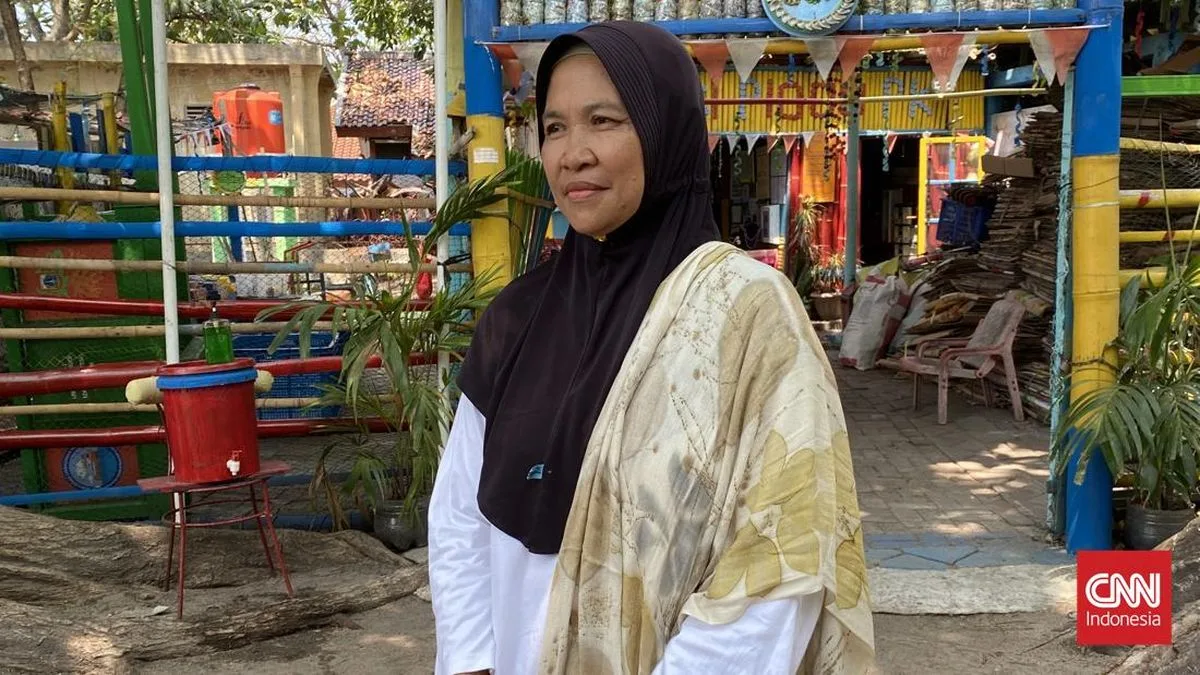
Residents of RW 01 on Pulau Kelapa, in the Thousand Islands, no longer send their waste to Jakarta. Since 2020, Bank Sampah Kresek Indah, run by Asmawiyah and six fellow organizers, has changed how residents dispose of waste—from dumping it into the sea to sorting and processing it on their own island.
The change did not happen without reason. Before the waste bank was founded, some residents still threw rubbish around carelessly, including into the sea. That concern drove a group of women in RW 01 to look for a solution so that waste would not again pollute the waters around Pulau Kelapa. Today, the waste bank has reached more than 400 customers, covering all RW 01 residents and some from other RWs.
"No more waste is taken to Jakarta. So this waste has to be finished here, on our island too," Asmawiyah said on Friday (6/11), as quoted by CNN Indonesia.
Every month, Bank Sampah Kresek Indah collects more than 1 to 2 tons of waste. Organic waste is processed into compost, while certain leaves are selected as ecoprint material—a technique for applying patterns to fabric using natural materials. The ecoprint products include bags, shawls, and clothing. Plastic bottles and used packaging are turned into handicrafts such as accessories, mats, and bags.
Resident participation is key to the waste bank's success. Asmawiyah uses a deliberation approach—inviting residents to sit together and hear their complaints. From that forum, education is given to those who do not yet understand how to sort waste. Information is also spread through the social media platform Facebook and printed brochures.
In addition, the waste bank formed Kelompok ASKHA, whose members are fishermen's wives. The group provides savings and loan services for 25–30 customers, whose funds can be used to buy children's school supplies or add business capital. Members are also involved in ecoprint training. "When the men go out to sea, sometimes there are hard times, you know. So there are activities like this that can bring in money," Asmawiyah said.
"I can't just let go of it either. Because there are still few people who are that sincere. Sometimes their obstacle is that it clashes with their work," Asmawiyah said.
Collective awareness among Pulau Kelapa residents is now growing. Schoolchildren and adults alike are involved in sorting waste. For Asmawiyah, what began as a demand to manage waste has turned into a responsibility that brings economic and environmental benefits.
Asmawiyah's story is one of 15 participants who passed field verification in the Pilah Olah Sampah Heroes 2026 program, an initiative of the DKI Jakarta Provincial Government to appreciate environmental heroes. The winners will be announced and receive their awards directly from DKI Jakarta Governor Pramono Anung on Tuesday (10/11).
Going forward, waste bank models like the one on Pulau Kelapa can serve as an example for other island regions in Indonesia facing similar problems: limited land and the threat of marine pollution. The question is whether appreciation programs like this are enough to encourage replication at the national level, or whether more systematic budget support and mentoring are needed so that similar movements can survive in the long term.