The Economy That Lifted Trump Now Brings Him Down in the US Midterms
Baca dalam 60 detik
- Partai Demokrat menguasai Kongres setelah gelombang biru pada pemilu tengah Amerika, dipicu kemarahan publik atas biaya hidup dan inflasi.
- Kemenangan ini mengakhiri dominasi Partai Republik di pemerintahan federal dan menjadi sinyal bahwa isu ekonomi tetap menjadi penentu utama preferensi pemilih.
- Pemerintahan berikutnya dituntut menstabilkan harga energi dan pangan, sementara Indonesia perlu mencermati dampak ketidakpastian politik AS terhadap pasar global.
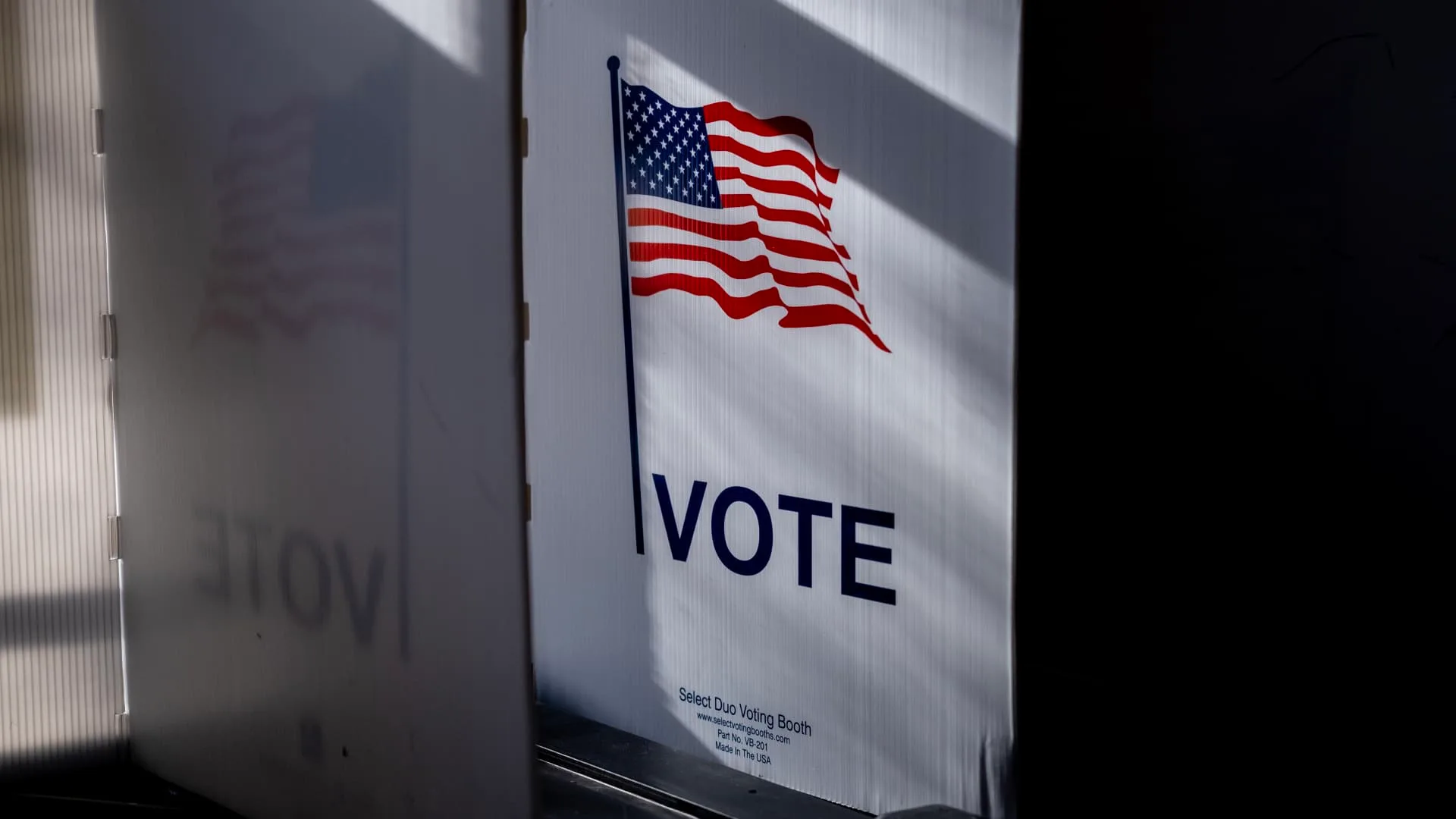
The results of the 2026 United States midterm elections marked a dramatic reversal: the Democratic Party succeeded in seizing control of the House of Representatives and the Senate, ending the Republican Party's grip on the federal government. This victory was inseparable from the accumulation of public disappointment over the deteriorating economic conditions under the leadership of President Donald Trump.
The CNBC Voter Poll survey, involving around 100,000 respondents, showed that nearly nine out of ten voters placed the cost of living as a crucial factor in making their choice. Three-quarters of respondents rated current economic conditions as poor, and only two percent called them very good. More striking still, fewer than one in five voters said their family's financial situation was better than two years ago.
Public anger was directed mainly at Trump's policies. Two out of three voters judged the president's policies to be worsening the economy. Mark Zandi, chief economist at Moody's Analytics, viewed the result as a reflection of the public's fatigue with prolonged inflation. "Most Americans are struggling and they are angry," he said, as quoted by CNBC.
The war factor was a variable that could not be ignored. The military conflict with Iran, which began in late February, has triggered a surge in global crude oil prices. According to the survey, nearly three-quarters of voters said the war was an important consideration in choosing members of Congress. Patrick De Haan, a petroleum analyst at GasBuddy, called the rise in fuel prices ahead of voting day an extraordinary trigger for consumer frustration.
In addition, the import tariff policy touted as a way to revive domestic manufacturing instead triggered market turmoil and recession fears. Research from the Federal Reserve Bank of New York concluded that many consumer prices should have fallen were it not for those tariffs. The survey showed 64% of voters judged the tariff policy harmful to the economy in their areas, and only 14% felt its benefits.
The mass deportation policy, which led to large protests and an incident in which two citizens were killed by federal immigration agents, also added to the political burden. A University of Pennsylvania study found that cities experiencing a surge in immigration recorded declines in visits and consumer spending losses of up to billions of dollars. Nevertheless, voters still judged the Republican Party more capable of handling immigration.
On the other hand, several Trump policies drew a positive response, such as an 11% rise in the average tax refund last October and the "Trump Accounts" program that allows parents to save for their children. However, the election results confirmed that affordability of living remained the top priority. The shift in voter attitudes was visible in the change of assessment: if in 2024 they were confident Trump was better able to manage the economy, now they placed their trust in the Democrats.
For Indonesia, the political turmoil in the United States carries direct implications. As a major trading partner and source of investment, policy uncertainty in the US can affect capital flows and exchange rate stability. Furthermore, global energy prices driven by the Middle East conflict will affect the subsidy burden and domestic inflation. The government needs to anticipate potential fiscal pressure if geopolitical tensions continue.
Going forward, the Democratic Party faces a tough test. Seven out of ten respondents judged the American economic system to favor the wealthy. Zandi reminded that the next election is only two years away. "Hopefully policymakers listen to all of this," he said. The question is, can the new Congress lower the cost of living before public anger erupts again?