Maths App TT Rockstars Sparks Debate: Between Learning Innovation and Screen Addiction Risk
Baca dalam 60 detik
- Anggota Parlemen Inggris Emily Darlington menyoroti dampak negatif aplikasi gamifikasi matematika terhadap perkembangan anak.
- Pendiri TT Rockstars mengakui kekhawatiran tersebut dan akan menerapkan pembatasan waktu serta mematikan papan peringkat mulai 24 November.
- Pemerintah Inggris tengah menyusun pedoman screen time untuk anak usia 5-16 tahun, sementara seruan untuk membatasi teknologi pendidikan semakin menguat.
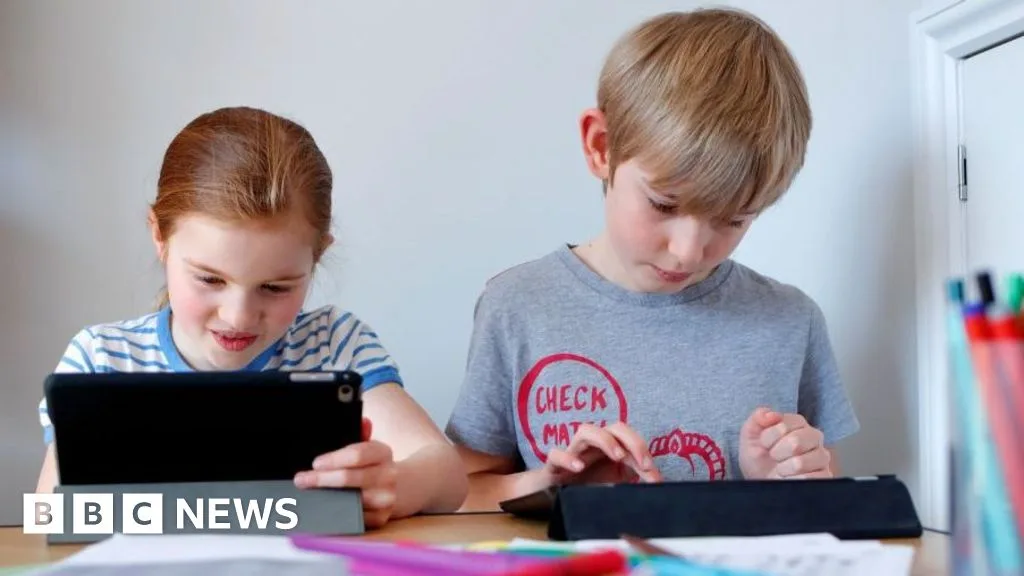
The use of gamified apps in maths learning at English primary schools has come under scrutiny again after a member of parliament lodged a protest with the government. Emily Darlington, a Labour Party politician, argued that platforms such as TT Rockstars could harm children's development because they reward time spent rather than quality of interaction.
TT Rockstars, which lets pupils compete to collect virtual coins and rock-star-themed costumes, has become a common tool for maths homework. But Darlington, at a meeting of the House of Commons Science Committee on Tuesday (19/11), questioned the gamification practice, which she said pushes children to spend hours in front of screens to earn the latest accessories. She also highlighted the psychological pressure arising from leaderboard competition among classmates.
Responding to the criticism, Bruno Reddy, founder of Maths Circle—the company behind TT Rockstars—said it agreed that screen time needs to be treated with caution. He explained that the company had designed short play sessions, with a recommendation of three minutes four to five times a week. Their internal data in September showed children played on average on three days for about six minutes per session. "We deliberately avoid features that keep children playing, such as streaking, random rewards, chat messages, loot boxes, or notifications," he said, adding that there are no ads in the app and schools pay a flat subscription regardless of intensity of use.
Nevertheless, Early Education Minister Paul Waugh expressed a different view. According to him, gamification is not the right way to learn. "It is propaganda given by EdTech companies. It is all about driving screen time and screen use. So, this is profit-driven," he said at the committee meeting. Waugh stressed that fun learning does not have to involve competition, and education technology should support teachers, not replace their role.
Criticism also came from Charlotte Ashton, a co-founder of Generation Focus, an organisation campaigning for smartphone-free schools. She argued that more and more parents and teachers are rejecting education technology because of the lack of evidence that digital devices genuinely improve learning, while evidence that they can cause harm is growing. "It is not that all technology is bad, but until we are confident that new digital tools improve learning without causing harm, we support schools in sticking with proven teaching methods," she said.
"Every game in TTRS is deliberately made short, and our characters remind children to take regular breaks." — Bruno Reddy, founder of Maths Circle
The debate comes amid the UK government's efforts to formulate screen time guidance for children aged 5 to 16. The policy is expected to provide clear guidance for schools and parents in managing the use of digital devices, including learning apps. Maths Circle's move to introduce a curfew and daily time limit from 24 November deserves appreciation as a form of industry responsibility. However, its effectiveness still needs to be tested: are these restrictions enough to ease parents' concerns and ensure that technology genuinely supports, rather than disrupts, children's development?