Without a Formal Apology, King Charles Calls Slavery a 'Shameful Chapter of History' at Commonwealth Summit
Baca dalam 60 detik
- Raja Charles III menyampaikan penyesalan mendalam atas perdagangan budak transatlantik dalam pidato pembukaan KTT Commonwealth di Antigua dan Barbuda, namun tidak menyampaikan permintaan maaf resmi.
- Perdana Menteri Inggris Andy Burnham menyatakan terbuka pada permintaan maaf formal, tetapi menolak tegas tuntutan reparasi finansial.
- Pertemuan 56 negara itu mengangkat tema kemitraan dan investasi, sementara isu warisan kolonial dan perbudakan kembali memanas di Karibia.
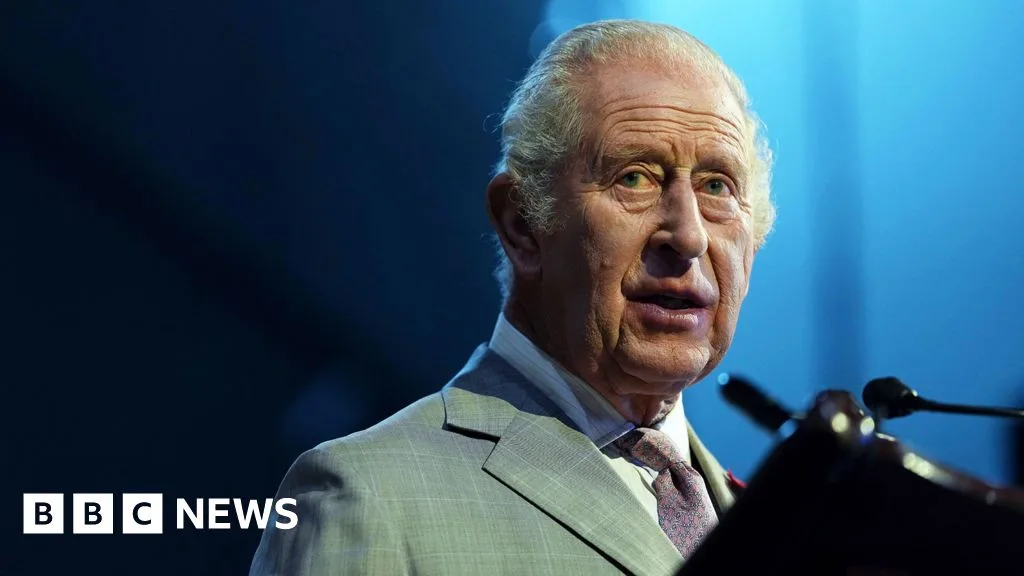
King Charles III opened the Commonwealth Heads of Government Meeting (CHOGM) in Antigua and Barbuda by calling the transatlantic slave trade a "shameful chapter of history" that left him filled with "profound sorrow". However, the speech contained no formal apology from the British Crown, even as pressure from several member states continues to grow.
In his speech, King Charles stressed that the slave trade still "casts a shadow" over Commonwealth nations. He said he had come to understand the issue more deeply after listening to and learning directly about the legacy of slavery. "History cannot be chosen or changed. It is the inheritance of ancestors we never knew, encompassing their achievements and their failures," he said, as quoted by the BBC.
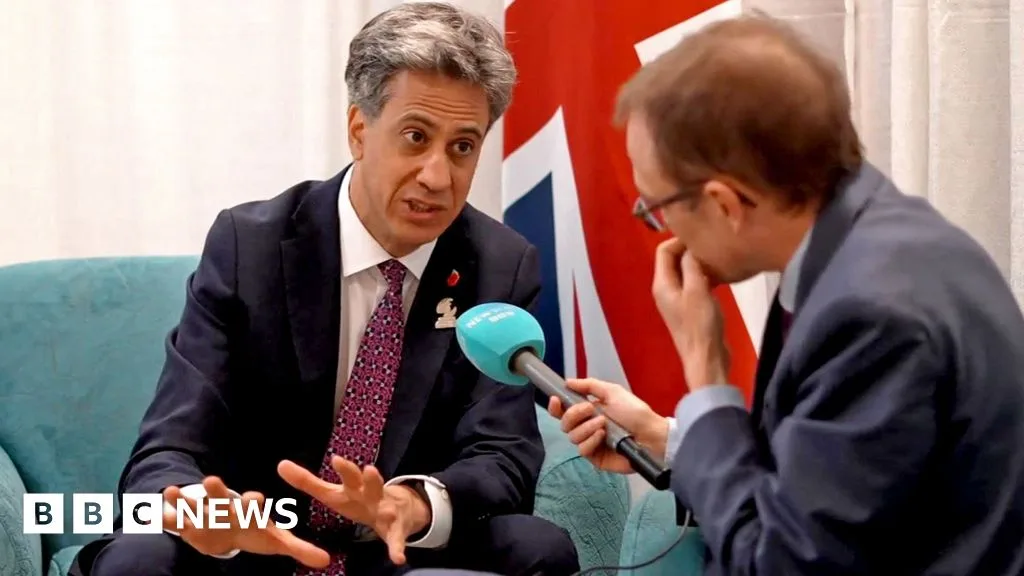
The statement came amid pressure from several Caribbean nations demanding a formal apology and reparations for Britain's role in centuries of slavery. UK Prime Minister Andy Burnham, who also attended the summit, expressed openness to a formal apology but firmly rejected financial reparations. "I have been clear that we do not support reparations," Burnham said. He added that the UK remains committed to helping Commonwealth nations through development, debt relief, and green financing.
The visit by King Charles and the Queen to the Caribbean has indeed reignited difficult debate about Britain's colonial legacy in the region. In the Bahamas, the King touched on "past suffering", while in Guyana he visited the site of a slave rebellion that killed hundreds of people. Some view the symbolic gesture as insufficient to meet demands for historical justice.
"The more I deepen my understanding by listening, learning, and seeing, the more I am committed to finding ways for us to work in modern partnership to address past wrongs with action for the future." — King Charles III
This year's summit carries the theme "Accelerating Partnership and Investment for a Prosperous Commonwealth". Yet the shadow of slavery and colonialism is hard to avoid. For Indonesia, this issue is not merely a historical debate in another part of the world. As a country that experienced colonialism and is now active in South-South cooperation, Indonesia's position on historical justice and reparations could influence its economic diplomacy and foreign policy, especially in multilateral forums discussing global inequality and climate finance.
Several analysts view King Charles's speech as a small step toward reconciliation, but without a formal apology and reparations, Caribbean nations may continue to press Britain. Burnham argued that his government is bringing a new approach to "revitalize the Commonwealth" through development cooperation, not financial compensation. However, for many member states, historical justice remains an essential condition for an equal partnership.
Looking ahead, will the Commonwealth be able to formulate a concrete mechanism to address the legacy of slavery, or will it remain trapped in symbolism without action? The answer will determine the organization's relevance in the eyes of its member states, including Indonesia, which observes these dynamics as a mirror for global justice diplomacy.