London Opens Door to Slavery Apology but Refuses to Pay Reparations
Baca dalam 60 detik
- Perdana Menteri Inggris akan memulai pembicaraan mengenai permintaan maaf resmi atas perdagangan budak pada KTT Commonwealth di Antigua.
- Downing Street menawarkan 'debt reset' untuk meringankan beban bunga utang negara-negara anggota, bukan kompensasi finansial.
- Partai Konservatif menolak permintaan maaf karena khawatir membuka jalan tuntutan reparasi yang lebih besar.
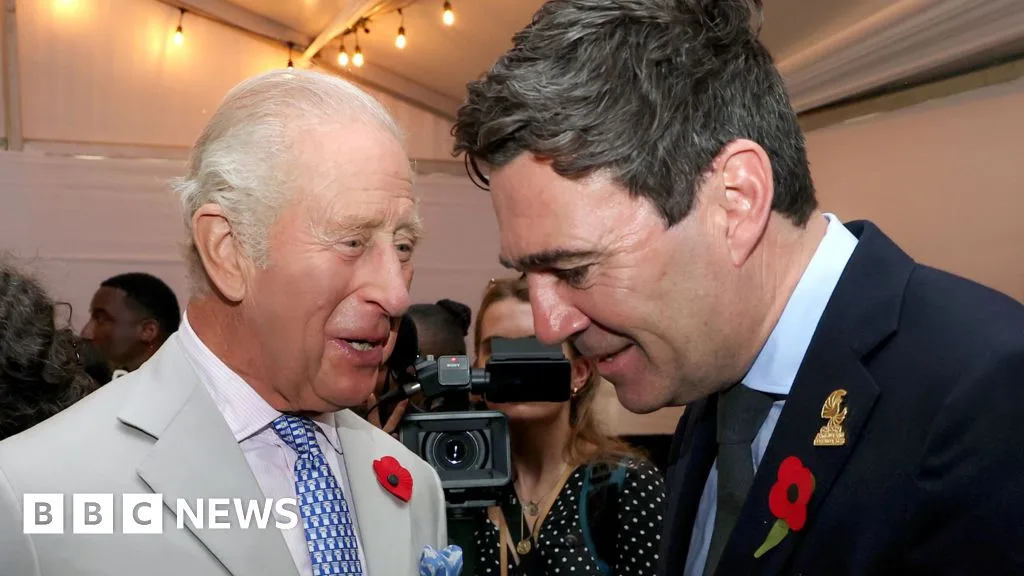
The British Prime Minister has taken a political step his predecessors avoided for years: opening the door to dialogue on a formal apology for the transatlantic slave trade. The opening came at the Commonwealth Heads of Government Meeting (CHOGM) in Antigua, where 56 countries gathered to discuss the future of an organization long seen as a colonial legacy.
The move marks a departure from the previous approach. Two years ago, in Samoa, former PM Keir Starmer insisted reparations were not on the agenda, but member states forced the issue to the surface. Now Downing Street has chosen to get ahead of the pressure by signaling that London is willing to open talks, while still refusing financial compensation.
Instead, the British government is offering what it calls a "debt reset"—a scheme it claims will help Commonwealth countries cope with ballooning debt interest burdens. Andy Burnham, who is expected to set out the plan, wrote in The Guardian that Britain had been "burying its head in the sand," undermining the Commonwealth's ability to function. He argued that affected countries have long called for an honest conversation about the legacy of slavery.
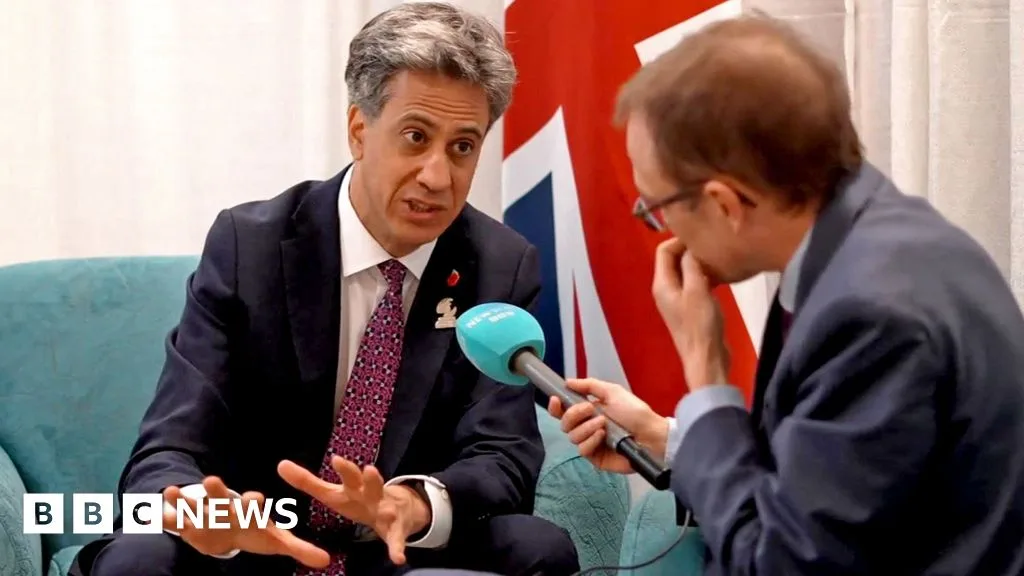
Foreign Secretary Ed Miliband, in a social media video, said the government was "open" to a formal apology. But he stressed that financial reparations were not the right or appropriate answer. "We do not think the right response is to ask current British taxpayers to make financial payments for that historic act," he said. The statement lays out London's red line: acknowledge history, but do not open the wallet.
"I don't think we should be giving money to compensate people for the slave trade, and I don't think Andy Burnham needs to apologize because it is a lever to open the door to asking for money," said Kemi Badenoch, leader of the Conservative Party.
Badenoch, who has a Nigerian background, opposes an apology out of concern that it would become a gateway to reparations claims. She argues an apology would only give recipient countries grounds to demand payments. The view reflects Britain's domestic political divide, which remains unresolved even as the government tries to present a new approach.
On the other side, British diplomats see the Commonwealth as a useful forum for dialogue with developing countries—and, most importantly, a forum that does not involve China, the United States, or Russia. In an increasingly fragmented geopolitical context, this post-colonial organization becomes an alternative channel for building influence without direct pressure from major powers.
For Indonesia, the development is relevant even though it is not a Commonwealth member. Reparations and historical justice issues often surface in multilateral forums, including discussions on the global financial architecture and developing-country debt burdens. If Britain can separate an apology from financial compensation, the precedent could influence how other countries handle similar demands—including in bilateral relations with countries that share a colonial history.
What bears watching is that the "debt reset" promise remains a framework without figures. Details on the size of the relief, the mechanism, and the recipient countries have not been announced. Without clear parameters, the offer risks being seen as a rhetorical maneuver to ease pressure at the summit rather than a structural solution. The question is whether London will turn historical acknowledgment into concrete policy, or merely stall until next year's G20 presidency.