WALHI Urges President to Streamline Cross-Sectoral Forest Fire Coordination
Baca dalam 60 detik
- WALHI menilai penanganan karhutla selama ini terfragmentasi karena setiap institusi bergerak sendiri-sendiri.
- Organisasi lingkungan itu meminta pengawasan konsesi perkebunan diperketat, terutama pada perusahaan dengan riwayat kebakaran.
- Inpres Nomor 3 Tahun 2020 sebenarnya sudah membagi tugas pusat-daerah, tetapi implementasinya dinilai belum optimal.
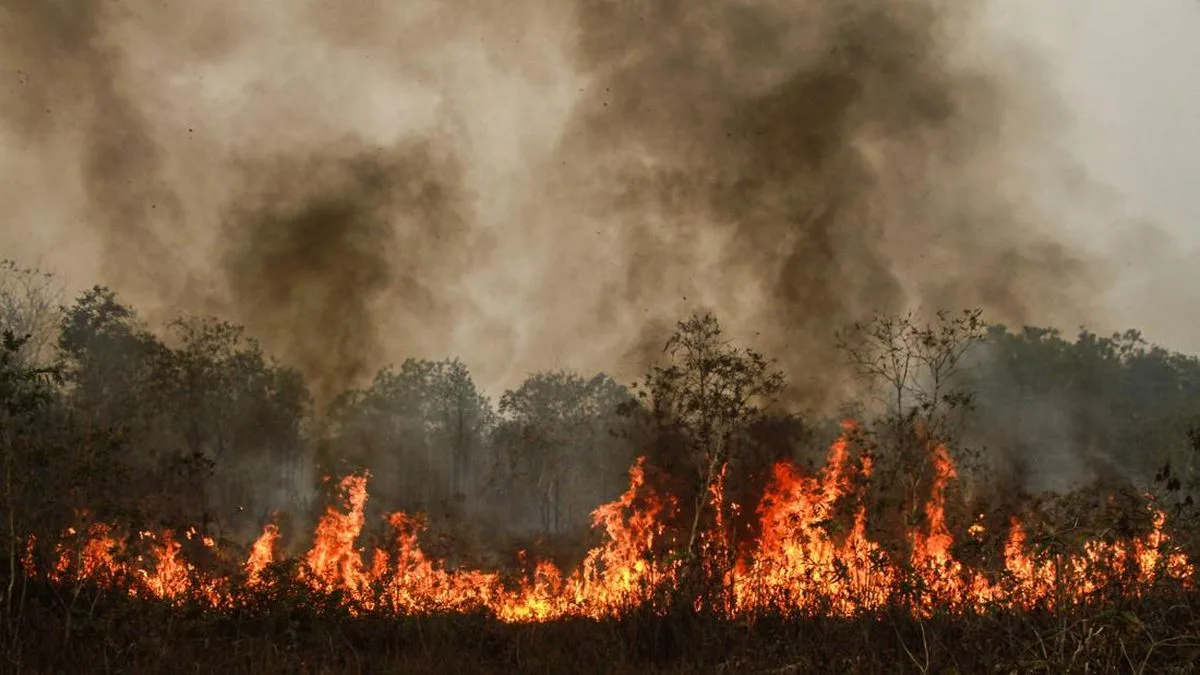
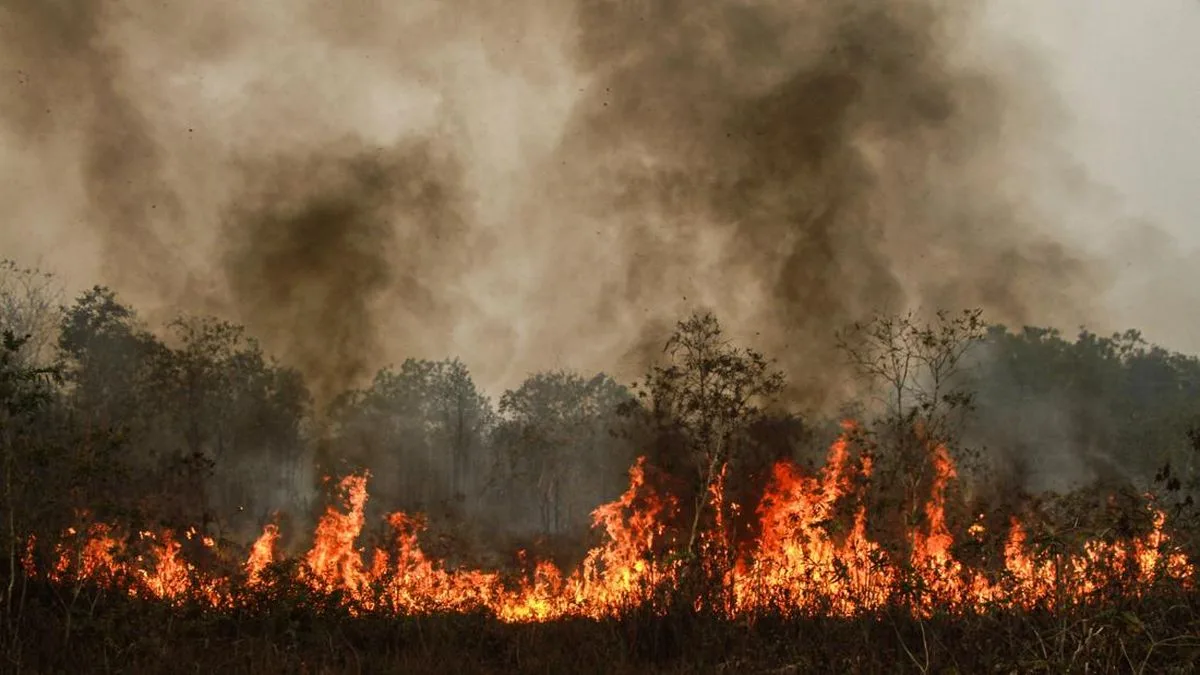
The Indonesian Forum for the Environment (WALHI) is demanding that the President take over control of coordination for handling forest and land fires (karhutla), which has so far been spread across many ministries and agencies. The demand arises because prevention, monitoring, and law enforcement are seen as still operating in silos, so fires keep recurring at the same hotspots every year.
WALHI's Forest and Plantation Campaigner, Umi Ma'rufah, said the forest fire problem is not merely about firefighting capacity. According to her, the central government, regional governments, law enforcement officials, and concession-holding companies each have obligations that must be carried out simultaneously. If one link in the chain is weak, prevention efforts at the field level will collapse.
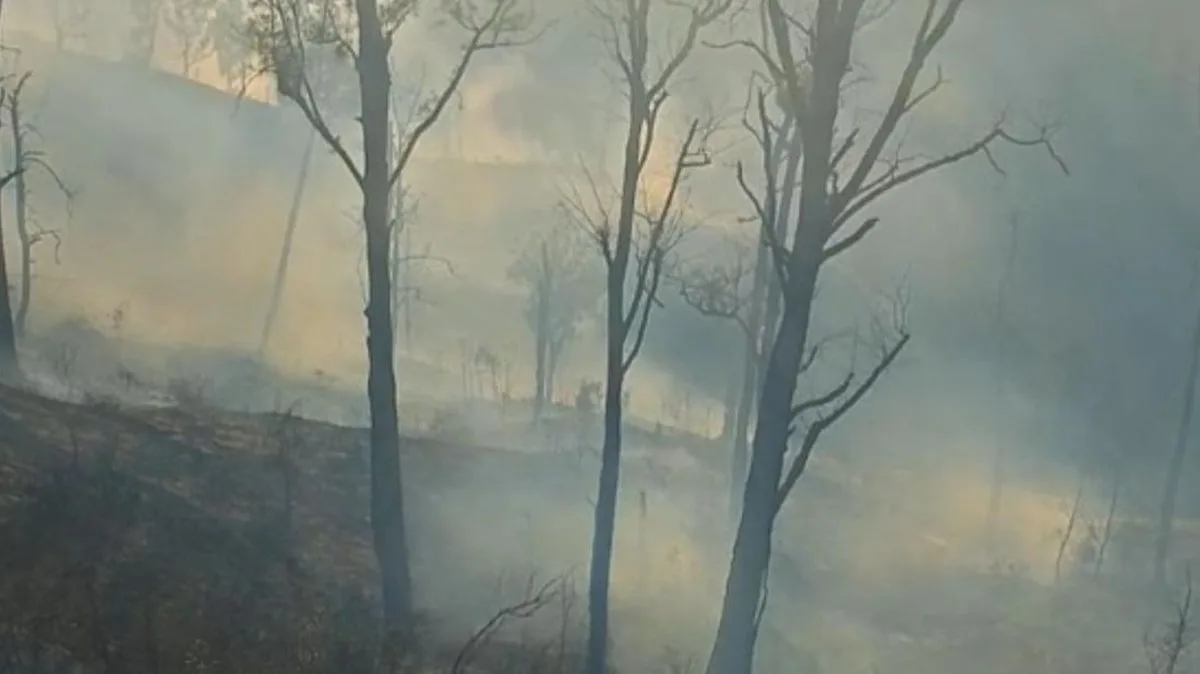
Umi highlighted weak monitoring of fire-prone land, particularly in plantation areas and company concessions. She argued that inspections have not been carried out periodically, so companies repeatedly involved in fires escape firm action. "Monitoring should be carried out periodically, especially for concessions with high vulnerability levels or a history of fires," she said in a written statement on Monday (19/10).
Within the regulatory framework, Presidential Instruction No. 3 of 2020 has actually provided a fairly detailed division of tasks. The regulation places the Coordinating Minister for Political, Legal, and Security Affairs as the main person in charge, involving the Minister of Home Affairs, the Minister of Forestry, the Minister of Environment, as well as the TNI Commander and the National Police Chief. However, according to Umi, that long list actually becomes a source of problems when there are no measurable prevention targets and no clear reporting mechanism.
She argued that the President needs to ensure every ministry and agency works in an integrated manner, follows up on public reports seriously, and sets success indicators that the public can evaluate. Without that, coordination only stops at documents and ceremonial meetings.
"The President needs to ensure ministries and agencies work in an integrated manner, follow up on reports seriously, and set measurable prevention targets." — Umi Ma'rufah, WALHI Forest and Plantation Campaigner
At the regional level, the problem becomes more complicated because governors and regents/mayors carry dual roles as task force commanders. They are not only required to lead firefighting operations but also to draft regional regulations, provide budgets in the APBD, and impose sanctions on forestry and agricultural businesses that violate regulations. That authority often overlaps with the central government, especially when disasters spread across provinces.
WALHI also highlighted the obligation of permit-holding companies to prepare firefighting facilities and infrastructure. According to Umi, the government needs to verify that readiness routinely, not only when the dry season arrives. Companies that do not meet standards, she said, should face administrative sanctions up to permit revocation.
WALHI's demand shows that the forest fire problem is not just about extreme weather or limited firefighting fleets. There is a more fundamental governance problem: weak concession monitoring, the absence of clear prevention targets, and inconsistent law enforcement. As long as those three problems are not addressed, forest and land fires will continue to be an annual agenda that is difficult to break.
Going forward, the public will wait to see whether the President truly takes concrete steps to streamline cross-sectoral coordination, or instead lets Presidential Instruction No. 3 of 2020 become a document without teeth. The question is simple: how long will forest fire handling continue to depend on the enthusiasm of one or two agencies, rather than on a system that works as a whole from the center to the villages?