Microsoft Cancels UK AI Data Center, Nscale Loses Contract Over Delayed Power
Baca dalam 60 detik
- Microsoft menarik diri dari proyek data center AI di Loughton, Essex, yang dikelola Nscale, setelah operator jaringan listrik setempat menyatakan kapasitas daya tidak tersedia hingga awal 2030-an.
- Nscale, yang lahir dari bisnis penambangan bitcoin, menghadapi tantangan infrastruktur energi yang juga menghantui sektor AI global, sementara kontrak AI senilai miliaran dolar tetap terkatung-katung.
- Kegagalan proyek ini menyoroti perebutan daya listrik yang semakin ketat di Inggris dan mendorong perlunya reformasi antrean koneksi jaringan agar proyek siap jalan tidak tertahan.
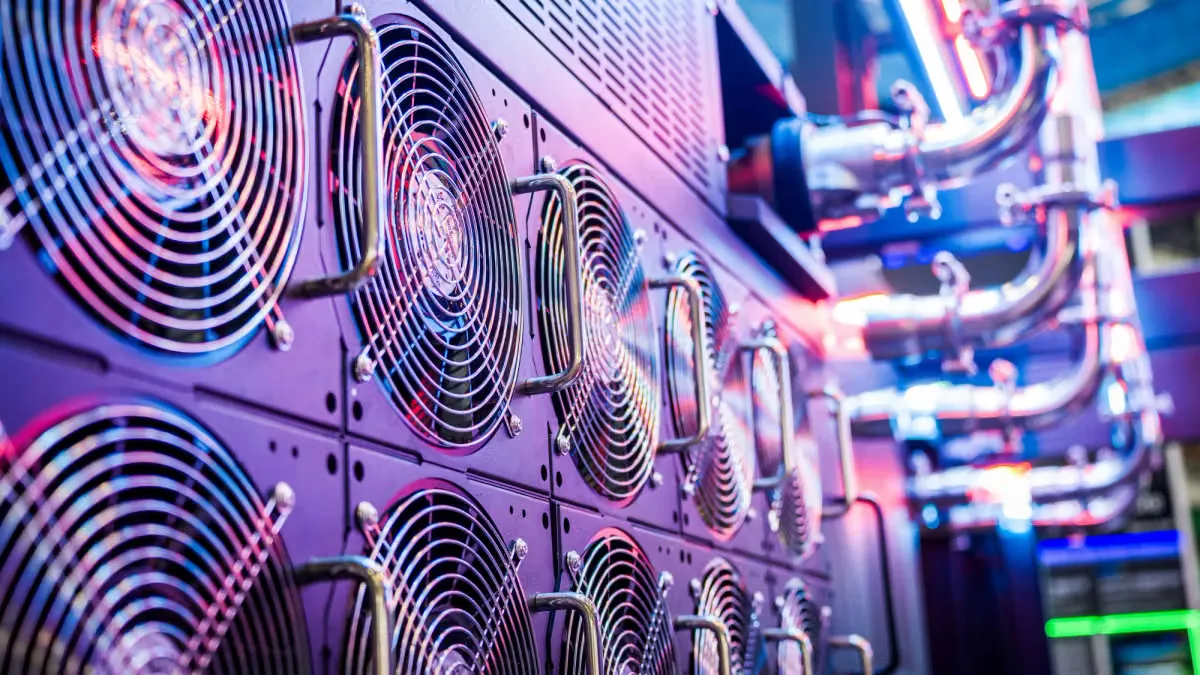
Technology giant Microsoft has officially halted plans to build an artificial intelligence (AI) data center in Loughton, Essex, England, which was to be operated by Nscale—a company that grew out of the bitcoin mining industry. The decision came after the local power grid operator, UK Power Networks, indicated that adequate power supply for the site would likely only be available in the early to mid-2030s.
The project, announced last year with Nvidia and OpenAI, was designed to house 23,040 Nvidia chips and supply 50 megawatts of computing capacity to Microsoft's Azure cloud service in early 2027. However, as of last February, the site was still an operating scaffolding warehouse. Nscale said it had cleared the land and was exploring alternative power supply options. The company stressed that its other Microsoft contracts were not affected by the cancellation.
Nscale is a spin-off of Arkon Energy, a bitcoin mining site developer. Its founder, Josh Payne, drew on experience in securing land and power supply to pioneer a business of providing computing for AI companies. This business model is increasingly common among listed bitcoin mining companies, which had announced AI and high-performance computing contracts worth more than US$70 billion through last March. To finance that expansion, they even cut their collective bitcoin holdings by more than 15,000 BTC from their peak.
Although AI contracts promise stable revenue for years, the cost of building infrastructure is far higher than for crypto mines. AI-ready facilities require investment of US$8–15 million per megawatt, while bitcoin mines need only about US$700,000–1 million per megawatt. AI customers also demand that servers run nonstop, which adds operational complexity. A report by investment manager CoinShares noted that more than 4 gigawatts of AI capacity had been contracted among the miners it tracks, but only about 550 megawatts were actually generating revenue. The value of pending contracts exceeds US$100 billion, while annual AI revenue is only slightly above US$1 billion.
"Unless Nscale finds its own power source or the grid can move faster, the newly cleared site could sit idle for years," a CoinDesk report described the project's risk.
The UK itself is facing a long queue of grid connection requests. The energy regulator Ofgem reported that connection requests from data center projects reached around 73 gigawatts, far exceeding available capacity. Ofgem is considering stricter rules because a number of applicants are suspected of never building their projects, thereby holding back projects that are ready to execute. This creates a paradox: on one hand the government is pushing digital economic growth, on the other hand energy infrastructure is a bottleneck that slows the realization of investment.
For Indonesia, this dynamic is an important mirror. A number of domestic bitcoin mining companies are also starting to look at the business of providing power for AI, but the challenges of power supply and permitting bureaucracy remain major obstacles. If the UK—a country with an established power grid—is struggling, Indonesia needs to accelerate reform of the electricity sector so as not to lose digital economy momentum. The government is pushing the development of national data centers, but without certainty of adequate power supply, a similar fate could befall projects at home.
Going forward, the future of AI data centers in Europe and Asia will depend heavily on countries' ability to provide reliable and sustainable electricity. Nscale still has a chance if it succeeds in securing an independent power supply, but time and cost pressures are a big gamble. Meanwhile, industry players will continue to watch whether regulators like Ofgem can cut queue bureaucracy, or instead prolong the uncertainty that hinders innovation.