MSP Amanda Bland Quits Reform UK, Party Loses Main Opposition Status at Holyrood
Baca dalam 60 detik
- Amanda Bland mengundurkan diri dari Reform UK Skotlandia dan akan berstatus independen di parlemen Holyrood.
- Langkah ini membuat Reform UK turun ke posisi ketiga dalam jumlah kursi, di bawah Partai Buruh Skotlandia.
- Partai kehilangan hak bertanya pertama pada sesi First Minister's Questions, melemahkan posisi oposisi terhadap SNP.
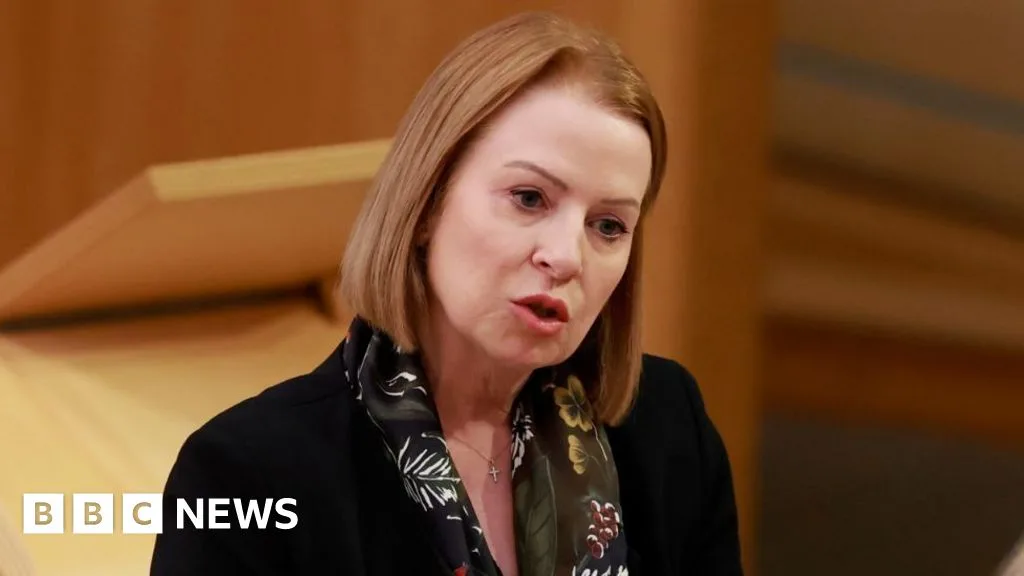
Member of the Scottish Parliament (MSP) Amanda Bland announced her resignation from Reform UK Scotland on Wednesday (1/10/2025), opting to sit as an independent. The decision immediately reshapes the political map at Holyrood: Reform UK is now the third-largest group, one seat behind Scottish Labour.
Bland, who represents the Central Scotland and West Lothian region, denied that her departure was linked to an internal party meeting held the same day. A Reform UK source had earlier described Bland as "very difficult to work with" and said she had been summoned to discuss the high turnover of staff in her office. In her official statement, Bland insisted that "her principles and priorities have not changed," but declined to elaborate on the specific reasons behind her move.
"I entered politics to fight for fairness and common sense, to protect women and children, to improve public services, to support business, and to deliver a fairer and more effective criminal justice system," Bland said. She added that as a member of the criminal justice committee, she remains committed to scrutinising legislation and supporting measures that improve public safety. "Holding the Scottish government to account remains a top priority, and I believe the best way to achieve that is as an independent MSP," she said.
Reform UK, led by Malcolm Offord, a former Conservative minister, made a breakthrough in May's election by winning 17 seats—sharing second place with Labour behind the SNP. However, only one of those 17 MSPs had prior experience at Holyrood. From the outset, the group has stirred controversy, including a walkout during an independence debate and the tabling of a burka ban motion. Now, with Bland's departure, Reform UK may lose the privilege of asking the first question to First Minister John Swinney at the fortnightly First Minister's Questions—a stage they have used to challenge Scotland's political "comfortable consensus."
Other opposition parties were quick to seize on the situation. Scottish Labour Deputy Leader Jackie Baillie said the chaos within Reform UK was predictable. "No one will be surprised to see chaos at the heart of Reform," she said, calling the party "utterly useless at scrutinising the SNP or delivering for the people of Scotland" and engaged only in "a series of stunts, gimmicks, and photo opportunities." The Scottish Conservatives questioned Reform UK's ability to be an effective opposition, while Scottish Liberal Democrat MSP David Green said the party had been hit by "scandal after scandal" and predicted more members would reconsider their commitment.
"It is incumbent on her to resign as a regional MSP for Central Scotland and West Lothian and allow her constituents to be represented by the next Reform candidate on that list." — Reform UK spokesperson
Reform UK said in its statement that it has a "united team" at Holyrood—a claim that will face sharp scrutiny given the group's fractures. Under Scottish parliamentary rules, if a list MSP resigns, their seat is taken by the next candidate from the same party at the last election. However, Bland has so far refused to resign her seat and insists her focus is now on carrying out her responsibilities as an independent MSP.
Although Bland's resignation was sudden, signs of division within Reform UK Scotland had long been apparent. The party, which has enjoyed seats at Holyrood for only a few months, faces a tough test: whether it can maintain internal cohesion amid political pressure and high public expectations. Bland's departure is the first real blow. Going forward, will Reform UK prove that it is more than a collection of new faces without direction, or will it sink deeper into internal conflict? The Scottish public awaits the answer.