Von der Leyen: European Support for Ukraine Increasingly Crucial, 80% of Foreign Aid Now from the EU
Baca dalam 60 detik
- Uni Eropa dan negara anggotanya menanggung 80% dari total bantuan eksternal untuk Ukraina, menurut Presiden Komisi Eropa Ursula von der Leyen.
- Von der Leyen menekankan bahwa kebutuhan pembiayaan Ukraina akan terus meningkat selama perang berlangsung, sehingga mendesak mitra lain untuk turut berkontribusi.
- Pernyataan ini muncul di tengah memburuknya hubungan AS-Eropa, menimbulkan pertanyaan tentang keberlanjutan dukungan transatlantik bagi Kyiv.
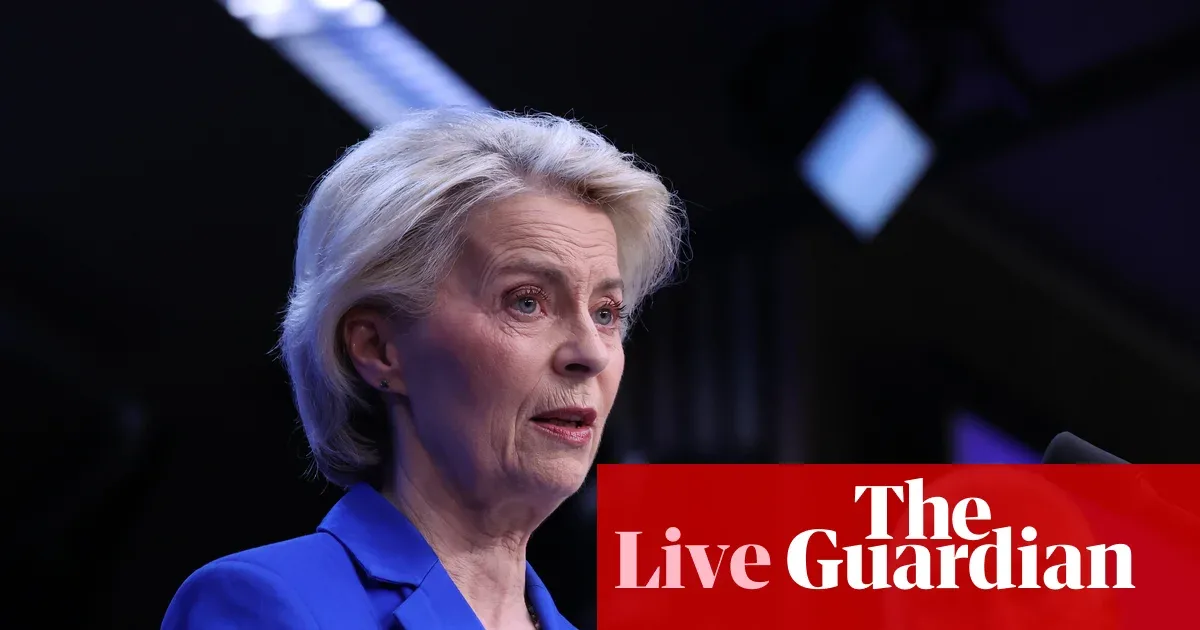
European Commission President Ursula von der Leyen stressed that the European Union's support for Ukraine is becoming increasingly vital, revealing that the bloc and its member states now bear 80% of all external aid for Kyiv. In her speech, she stated that Europe will continue to lead, but called on other international partners to take on a larger role soon.
Von der Leyen's statement came amid shifting geopolitical dynamics, particularly after relations between the United States and Europe became strained. She warned that as long as the conflict continues, Ukraine's financing needs will not recede but will keep growing. "The reality is simple: as long as this war continues, Ukraine's financing needs will keep growing," she said, as quoted from her statement.
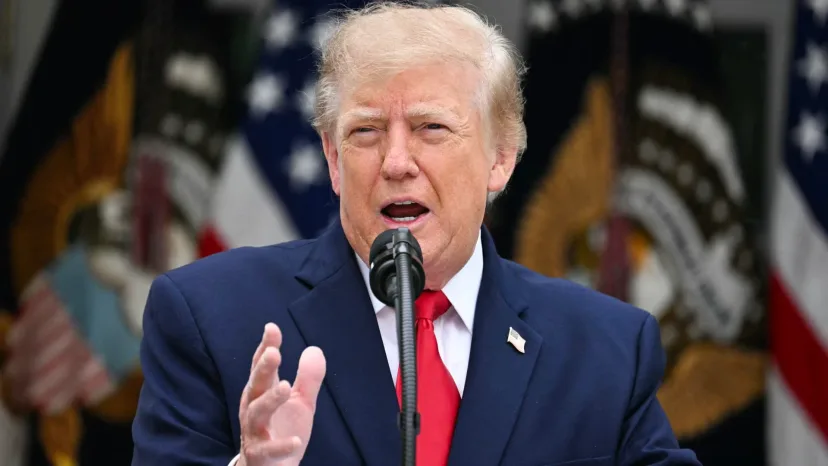
The 80% figure reflects the heavy burden Europe is carrying, especially as the United States under the administration of Donald Trump shows a more ambivalent attitude toward transatlantic commitments. This raises questions about how long Europe can sustain its current level of aid without additional support from other countries. Von der Leyen explicitly asked other partners to "step up", highlighting the need for broader global solidarity.
In a broader context, this statement comes as Europe faces domestic economic pressures, including rising energy prices and lingering inflation. Nevertheless, von der Leyen stressed that supporting Ukraine is a moral and strategic obligation. "No one wants peace more than the people of Ukraine, and it is our duty to support them, to be in a position to find a just and lasting peace," she said.
"The European Union and its member states account for 80% of external aid for Ukraine, and we will continue to lead. But we very much need other partners to join in." — Ursula von der Leyen
For Indonesia, this development has indirect implications for global stability and commodity prices. Prolonged tensions in Europe can affect world energy and food markets, which in turn impact the economies of developing countries. In addition, polarization among major powers can narrow the room for Indonesia's free and active foreign policy.
Going forward, the main question is whether Europe can sustain the momentum of support without the full presence of the United States. If other partners do not take part soon, Europe's fiscal burden could become unsustainable, potentially weakening Kyiv's position on the battlefield and at the negotiating table. The world awaits concrete steps from countries that have so far been reluctant to engage more deeply.