Indian Rupee Threatens to Breach 100 per Dollar as RBI Struggles Against External Storm
Baca dalam 60 detik
- RBI memperketat spekulasi valas dan menyediakan pasokan dolar khusus untuk BUMN minyak, tetapi rupee tetap diprediksi melemah ke 97-98 per dolar pada akhir 2026.
- Cadangan devisa India menyusut tajam dan import cover merosot ke level terendah sejak 2013, menandakan kerentanan struktural di tengah mahalnya harga minyak.
- Aliran modal asing keluar deras dari pasar saham India, memicu tekanan ganda pada neraca pembayaran dan memperbesar peluang sentuhan level 100.
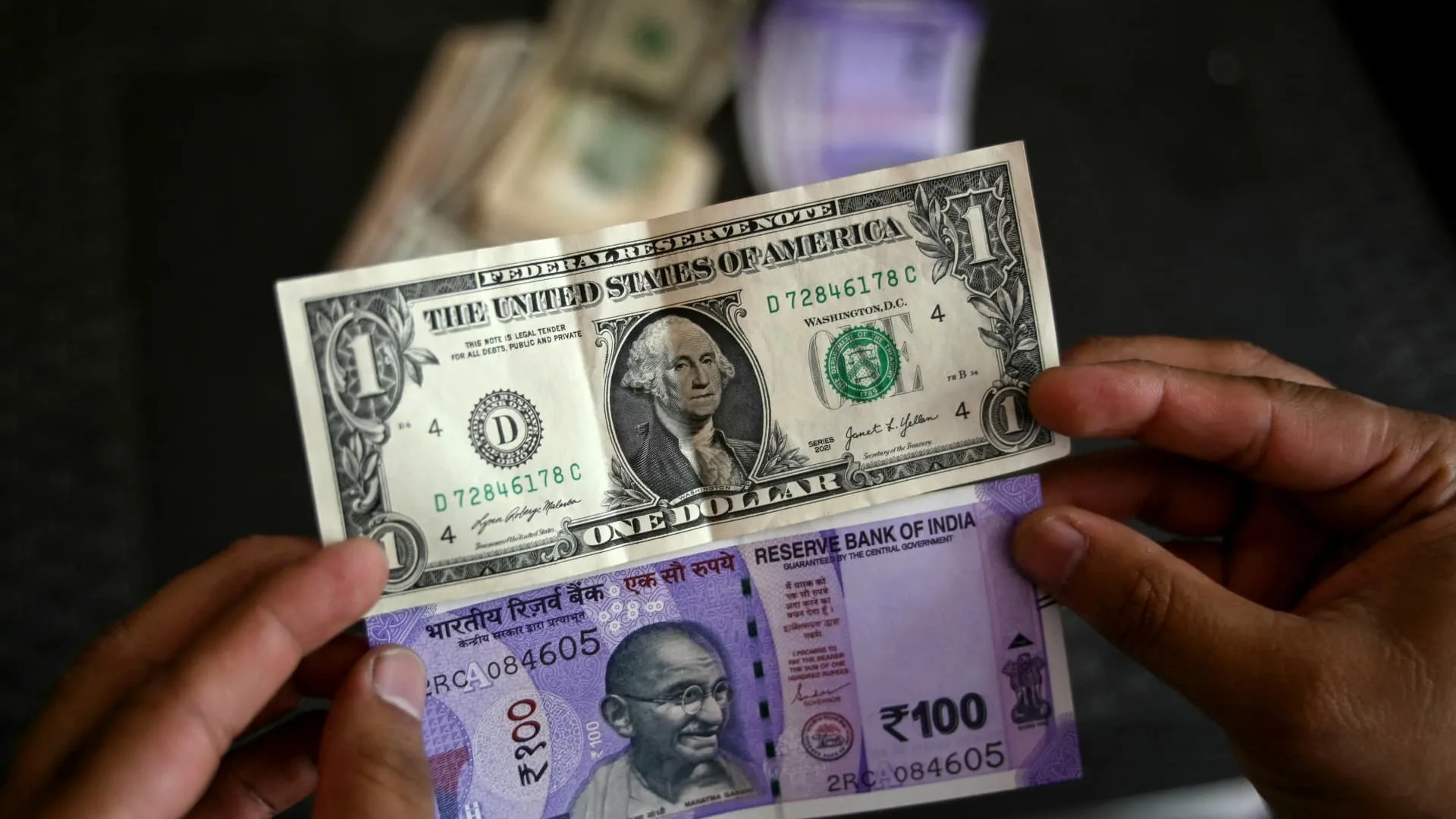
India's currency, the rupee, remains on a weakening path even though the country's central bank, the Reserve Bank of India (RBI), has rolled out a series of aggressive interventions. After briefly touching 96.79 per US dollar, the rupee managed to rebound to around 95 thanks to the RBI's emergency measures last weekend. However, strategists assess that the recovery is only temporary and the rupee could weaken toward 100 per US dollar by mid-2027.
The RBI's latest measures include restrictions on rebooking canceled foreign exchange derivative contracts and the opening of a special window to meet the daily dollar needs of three state-owned oil marketing companies. The main goal is to make speculative action against the rupee harder and separate dollar demand from the spot market. Nevertheless, according to Hanna Luchnikava-Schorsch, chief Asia-Pacific economist at S&P Global Market Intelligence, the policy will not "fully neutralize the fundamental pressures from high oil prices, a widening current account deficit, and a challenging global capital flow environment."
S&P Global Market Intelligence projects the rupee at around 97 per US dollar by the end of 2026 and 98 by mid-2027. Similarly, Mizuho Securities expects the rupee to reach 98 per US dollar by the end of 2026 to early the following year. Even the 100-per-dollar scenario cannot be ruled out if oil prices surge again, foreign portfolio flows exit once more, and the current account deficit widens beyond expectations.
Pressure on the rupee is compounded by India's position as the largest oil importer. About 85% of its fuel needs are met through imports, with the Strait of Hormuz as the main supply route before the Iran war. When energy prices soar, India's trade deficit widens and dollar demand rises. At the same time, global investors are pulling funds from India's capital markets as they avoid risk and seek artificial intelligence exposure seen as less available there.
Prime Minister Narendra Modi even urged citizens to postpone overseas travel and reduce gold purchases to curb foreign exchange demand. A similar appeal was made in May. However, the effort has yet to stem the heavy outflow of capital. NSDL data shows foreign portfolio investors have offloaded 32.5 billion US dollars worth of Indian shares through October 13, 2026.
"The RBI is determined to do whatever is necessary to ensure orderly foreign exchange market movements," RBI Governor Sanjay Malhotra told Moneycontrol.
Several analysts doubt the effectiveness of the RBI's measures in the long term. Devarsh Vakil, head of research at HDFC Securities, assesses that the policy only provides "short- to medium-term stability, not structural support." Harsimran Sahni of Anand Rathi Global Finance said something similar, advising Indian companies to strengthen hedging strategies and test the resilience of their foreign exchange exposure. According to him, RBI intervention can dampen volatility but cannot offset external imbalances "without limits."
Concerns also arise on the foreign exchange reserves side. The non-resident foreign currency deposit program (FCNR-B) launched last June managed to add up to 105 billion US dollars to reserves. However, since the program closed on August 30, the rupee has instead weakened 1.9% against the US dollar. Intervention through dollar sales shrank foreign exchange reserves by 51 billion US dollars as of October 2. Ambit Capital notes that dollar forward commitments reached 200 billion US dollars, effectively reducing reserve adequacy and making the rupee vulnerable to further depreciation.
With import cover of only 6.2 months, India is in a fragile position against external shocks. If geopolitical tensions in the Middle East heat up again and oil prices surge, pressure on the rupee will grow heavier. The question is, how far can the RBI hold back the pace of weakening without draining its remaining foreign exchange reserves?