Klaten Regent Arrives at KPK, Blue Barrel Containing Rp1.9 Billion Becomes Key Evidence
Baca dalam 60 detik
- Hamenang Wajar Ismoyo tiba di Gedung Merah Putih KPK Jumat pagi setelah terjaring operasi senyap di Klaten dan Jakarta.
- Penyidik menyita uang Rp1,9 miliar dan sebuah tong biru yang diduga dipakai menampung penerimaan.
- Kasus ini menyeret Kepala Perwakilan BPK Jawa Tengah dan mengarah pada dugaan suap terkait audit keuangan daerah.
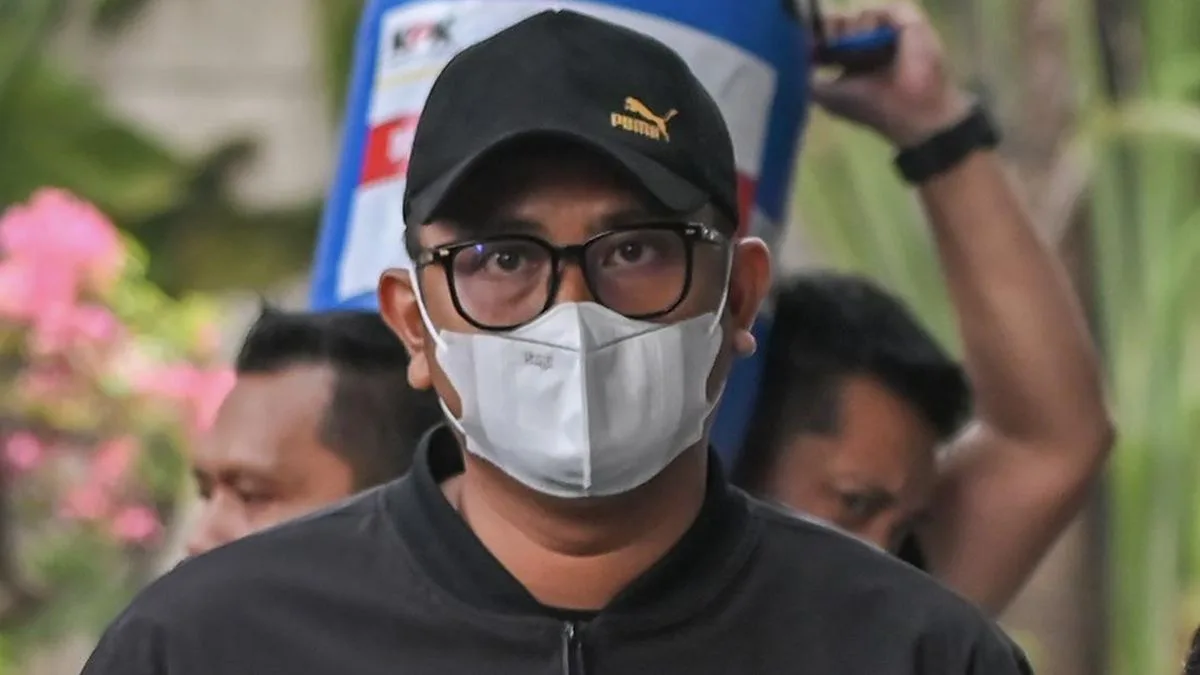
Klaten Regent Hamenang Wajar Ismoyo arrived at the Red and White Building of the Corruption Eradication Commission (KPK) on Friday (16/10) morning, a day after being caught in a sting operation (OTT) conducted in Klaten and Jakarta. The arrival of the top official in Klaten Regency marks a new chapter in the handling of a case that has ensnared state financial auditors.
KPK spokesperson Budi Prasetyo said that around 19 people in total were detained in the covert operation. Nine of them were brought directly from Klaten to Jakarta, including Hamenang and the Head of the Supreme Audit Agency (BPK) Representative Office for Central Java. According to Budi, the presence of a BPK official on the list of those brought to the capital signals that the case does not stop at the regional head.
From the arrest location, the investigation team also transported a blue barrel believed to have been used to store money. The evidence item is said to have been used by the regent to hold receipts. Besides the barrel, the KPK seized Rp1.9 billion in cash. "The bucket or barrel is suspected to have been used by the Regent to hold or store suspected money receipts," Budi said at the KPK Building.
The KPK previously stated that the OTT against Hamenang was related to alleged bribery, specifically concerning a BPK audit. Those caught in the operation included the regent, civil servants (ASN) of the Klaten Regency Government, private parties, and the local BPK. This combination shows a recurring pattern in regional corruption enforcement: executive officials, bureaucrats, and businesspeople meeting in a single transaction involving budget interests.
"Of the nine people brought to Jakarta, they include the Klaten Regent and also the Head of the BPK Representative Office for Central Java," said Budi Prasetyo.
The involvement of a BPK official in the vortex of this case is an important note. The BPK has a constitutional mandate to audit the management of state finances, and its independence is the foundation of fiscal accountability. When an official of a BPK representative office is also detained in an alleged bribery case related to an audit, the public question shifts from mere individual behavior to the issue of institutional governance. Is there a systemic gap that makes the auditor's position vulnerable to being traded?
From a local political standpoint, the arrest of a sitting regent could disrupt the running of the Klaten Regency government. Regional heads have a central role in budget approval, licensing, and infrastructure projects. A temporary leadership vacuum, although regulated, still creates uncertainty for the business world and public services in the region. Businesspeople currently processing permits or taking part in tenders will wait for clarity on policy direction.
This case also reinforces the KPK's trend of enforcement against regional heads in recent years. OTT is indeed effective for catching offenders red-handed, but it is only an entry point. The real strength lies in case development: whether investigators can uncover the flow of funds, the parties who benefited, and the motive behind the audit that was allegedly bought and sold. The public awaits whether the Rp1.9 billion and the blue barrel are merely the tip of the iceberg or part of a wider network.
Going forward, two things will be decisive. First, the construction of the articles built by the KPK, whether purely bribery or expanding to abuse of authority and money laundering. Second, the response of the BPK as an institution: what internal steps are taken to safeguard the institution's dignity after one of its officials was dragged in. Without systemic reform, the arrest of a regent will only become routine news with a different name each year.