US Economy Worsens Ahead of Midterms, Trump Supporters Begin to Defect
Baca dalam 60 detik
- Survei terbaru menunjukkan 38% pemilih Republik menilai ekonomi AS memburuk, naik dari 29% setahun sebelumnya, bahkan sebelum data inflasi September yang melonjak ke 3,7% dipublikasikan.
- Warga pedesaan dan kulit putih—basis tradisional Partai Republik—kini paling pesimistis, masing-masing 64% dan 61% menyatakan ekonomi memburuk, imbas perang dagang, kenaikan harga diesel, dan kebijakan imigrasi.
- Dengan pemilu tengah masa tinggal tiga minggu lagi, strategi Trump mengalihkan isu ke perang budaya tampaknya tidak lagi mampu menutupi kekecewaan ekonomi yang meluas.
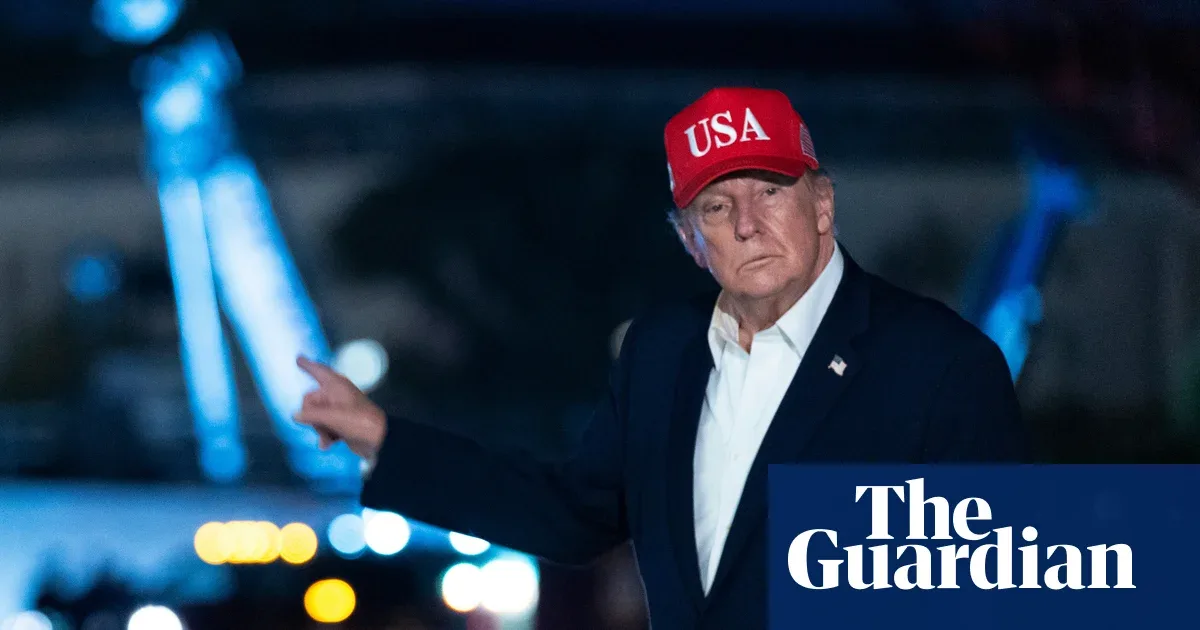
With the United States midterm elections only weeks away, the wave of dissatisfaction with the economic performance of Donald Trump's administration is becoming increasingly difficult to contain. A recent survey conducted by Harris for The Guardian reveals that 38% of Republican voters believe the country's economic condition is worsening—a sharp rise from 29% in the same period last year. The figure emerged before the US Bureau of Labor Statistics released September consumer price index data showing annual inflation surging to 3.7%, meaning the true picture could be even gloomier.
What makes the situation increasingly difficult for the White House is that negative sentiment no longer comes only from political opponents. Groups that for decades have been the electoral backbone of the Republican Party are in fact the loudest in voicing disappointment. Some 64% of rural residents say the economy is worsening, far exceeding the 52% of urban residents. Meanwhile, 61% of white voters—up from 48% in September 2024—now hold the same view. Even among male voters, the share who are pessimistic rose from 46% to 52% over the past two years.
The main trigger for this anger is not a single factor. The "liberation day" tariff policy launched by Trump has hit agricultural exporters because access to the Chinese market has been closed off. Diesel and fertilizer prices have soared due to tensions with Iran. Mass immigration raids have disrupted the labor supply in the farming and livestock sectors. On top of that, efforts to curb beef prices by lowering import tariffs have instead been read as a betrayal of local ranchers. For rural residents, this policy package feels like a barrage of blows eroding their incomes.
This phenomenon reinforces the findings of a study by political scientists from Stanford University and New York University, which noted that partisan polarization in economic perceptions surged from about 20 percentage points at the start of the Bush II administration to a peak of 73 percentage points in the first Trump era. In other words, even though macroeconomic data often does not change significantly, the way the public interprets it is heavily determined by political identity. Yet when one's own base begins to waver, that ideological lens is no longer enough of a shield.
"If voters are unwilling to cross party lines to reward good economic performance or punish decline, then elected officials can pursue policies that distribute economic benefits narrowly without affecting their chances of re-election," political scientists from Bucknell University and Texas A&M University wrote in their research.
This shift in sentiment has major implications for the Republican Party's campaign strategy. Rather than focusing on the cost-of-living issue, Trump tends to reinforce culture-war narratives—accusing Democrats of being Lenin sympathizers or raising sensitive issues around gender identity. This maneuver is believed to be able to divert the base's attention from economic hardship. However, survey data shows the strategy is beginning to lose its appeal.
For Indonesia, this US political dynamic deserves close attention because it directly affects the stability of global trade. When US voters punish the ruling party over protectionist policies, the direction of Washington's economic policy after the election could change drastically—from tariff easing to a shift in trade alliances. Trading partner countries such as Indonesia must prepare for the possibility of policy revisions affecting commodity exports and investment flows.
With approval ratings steadily eroding and a traditional base beginning to defect, will Trump be able to turn things around in the three weeks remaining? Or will this midterm election instead become a referendum on his economic policies—a devastating blow that reshapes the US political map for years to come?