Pistachios and the Promise of Better Sleep: Scientific Evidence Still Far From Enough
Baca dalam 60 detik
- Tinjauan terbaru menyoroti potensi pistachio memengaruhi jalur biologis tidur, tetapi belum ada uji klinis yang membuktikan manfaatnya secara langsung.
- Kandungan triptofan dan fitomelatonin dalam pistachio sangat bervariasi dan tidak serta-merta meningkatkan produksi melatonin tubuh.
- Para peneliti menegaskan bahwa rekomendasi pistachio sebagai intervensi insomnia belum bisa diberikan sebelum ada uji acak terkontrol pada manusia.
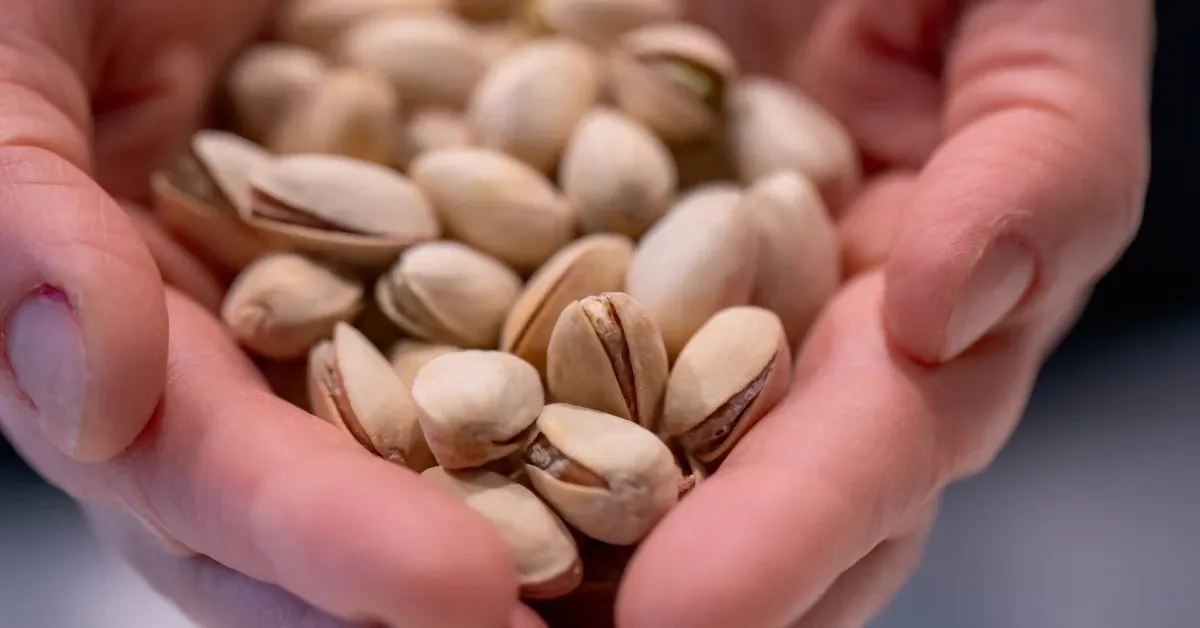
A scientific review published in Nutrition Research Reviews last September concluded that pistachios may influence a number of biological processes related to sleep, but the evidence for turning them into a solution for sleep disorders is still far from sufficient. The study, funded by American Pistachio Growers and the National Institutes of Health (NIH), highlighted the tryptophan, phytomelatonin, magnesium, and vitamin B6 content in pistachios, but produced no practical recommendation on how much should be consumed to improve sleep quality.
Pistachios are indeed known as a source of tryptophan, an essential amino acid involved in the synthesis of serotonin and melatonin—two compounds that regulate the sleep-wake cycle. According to the review, one 28.3-gram serving of pistachios contains about 71 milligrams of tryptophan. That figure is significant, but the researchers stressed that the amount is not necessarily enough to produce a real change in a person's sleep. The effectiveness of tryptophan is determined not only by its intake, but also by absorption, metabolism, and its ability to cross the blood-brain barrier.
Marie-Pierre St-Onge, senior author of the review and Director of the Center of Excellence for Sleep and Circadian Research at Columbia University Irving Medical Center, considers pistachios interesting to study because they combine various nutrients and plant compounds in one whole food. "Rather than focusing on a single 'sleep nutrient,' this review gives reason to study how the pistachio food matrix as a whole may affect sleep-related pathways," she said in a press release. However, she stressed that randomized controlled trials are still needed to establish cause and effect.
Several independent experts responded to the findings with caution. Sebnem Unluisler, a genetic engineer at the London Regenerative Institute, stated that pistachios are not an exceptionally concentrated source of tryptophan compared with turkey, eggs, or pumpkin seeds. "Dietary intake does not directly translate into increased melatonin production, because absorption, metabolism, and transport across the blood-brain barrier all affect its biological effect," Unluisler told Medical News Today. She added that the potential benefits of pistachios may come from a combination of nutrients, polyphenols, and gut microbiota interactions, not from melatonin alone.
Another issue that emerged is the uncertainty over phytomelatonin—plant melatonin—levels in pistachios. The review noted a very wide range, from 0.074 mcg to 18.7 mcg per serving. Meanwhile, commonly sold melatonin supplements contain 5–6 mg per dose, or about 1,000 times higher. This difference raises a fundamental question: could pistachios provide a pharmacological effect equivalent to supplements? To date, there is no evidence showing that eating pistachios a few hours before bed would have an effect similar to melatonin supplements.
"Pistachios may be a valuable component of a sleep-supporting diet, but the existing evidence is not enough to recommend them as a specific intervention for insomnia or poor sleep quality." — Sebnem Unluisler, MSc, London Regenerative Institute
In the Indonesian context, these findings are relevant given the fairly high prevalence of sleep disorders. Riskesdas 2018 data showed that about 10% of Indonesians experience insomnia, while many people seek natural solutions before turning to prescription drugs. Pistachios are not a staple food commodity in Indonesia—they are relatively expensive and mostly imported—so they are not automatically an everyday choice. However, the discourse on functional foods for sleep continues to grow, along with rising awareness of the importance of sleep health among urban communities.
It should be noted that the review did not set how many pistachios should be eaten to achieve sleep benefits, or whether regular consumption is necessary. American Pistachio Growers, according to the press release, is currently funding several university-led human clinical studies to explore the link between pistachios and sleep quality. St-Onge hopes those trials can determine whether the unique combination of nutrients and bioactive compounds in pistachios produces measurable changes in melatonin, sleep quality, sleep duration, or other sleep parameters.
For anyone experiencing sleep problems, the wisest step remains consulting a medical professional. Good sleep hygiene practices—such as keeping a regular sleep schedule, avoiding caffeine in the evening, and creating a comfortable bedroom environment—remain the main foundation. Registered dietitians can also help design an eating pattern suited to individual needs. Pistachios may well be a healthy snack, but do not expect them to become a magic sleeping pill anytime soon.