Matt Dinniman Reveals the Ideal Speed for Listening to the Dungeon Crawler Carl Audiobook: Anything Above 1.5 Is Insane
Baca dalam 60 detik
- Penulis Dungeon Crawler Carl, Matt Dinniman, menyarankan pendengar audiobook tidak melebihi kecepatan 1,5x karena dapat merusak nuansa performa Jeff Hays.
- Dinniman sedang menggarap buku terakhir seri DCC yang akan dipecah menjadi dua volume, serta proyek komik spin-off dan serial live-action yang tengah dikembangkan.
- Fenomena audiobook cepat mencerminkan pergeseran konsumsi sastra digital, dengan implikasi bagi industri audio di Indonesia yang sedang tumbuh.
Audiobook listening speed has become a heated debate in the Dungeon Crawler Carl (DCC) fan community. Author Matt Dinniman has finally weighed in: he considers speeds above 1.5x excessive and potentially damaging to the quality of Jeff Hays's voice acting. He made the statement in an interview with Polygon at New York Comic Con some time ago.
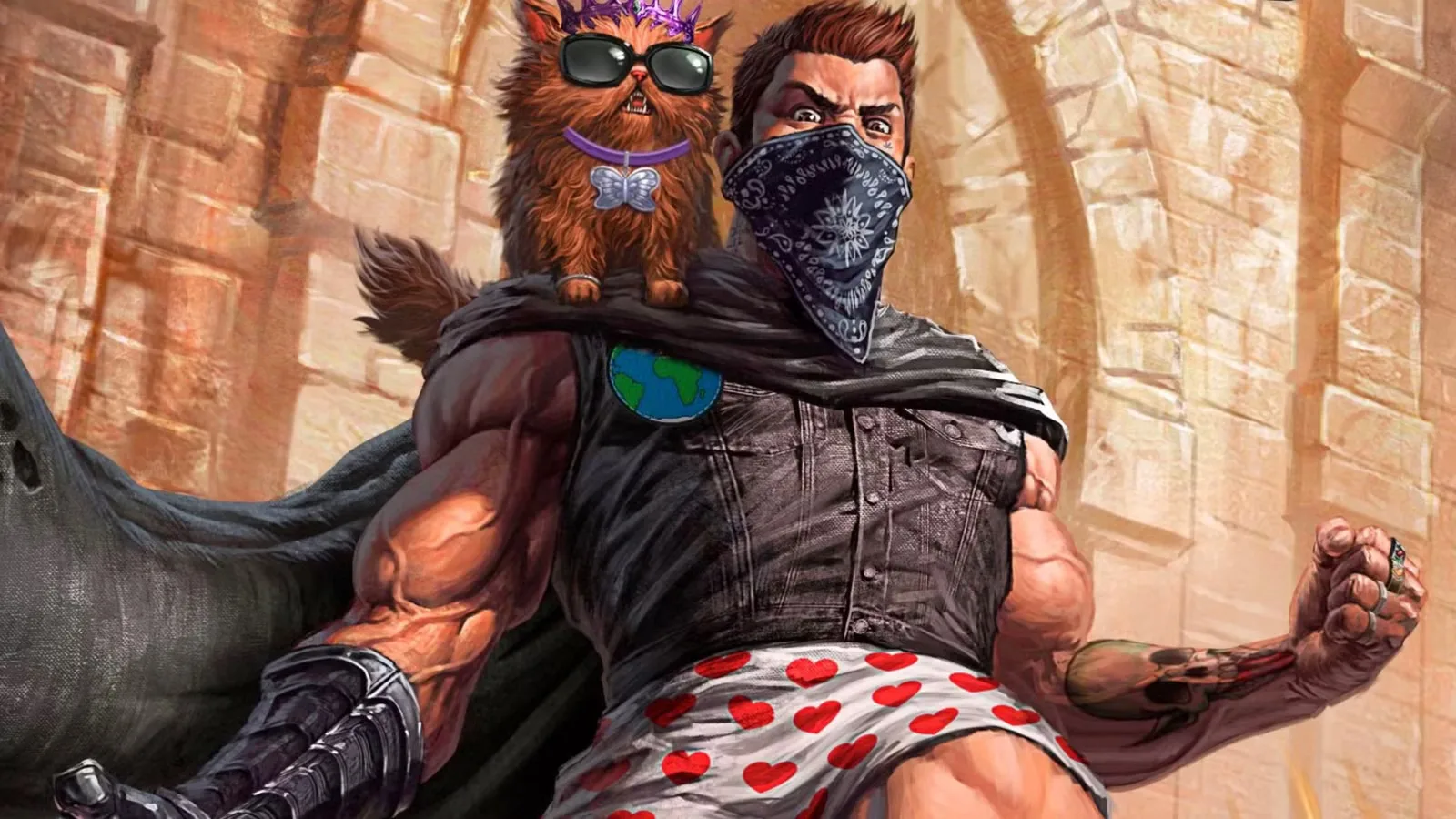
DCC, a LitRPG series set in a post-apocalyptic era, tells of an Earth controlled by alien corporations and the surviving humans forced to fight in a reality show called Dungeon Crawler World: Earth. Its protagonist, Carl, a Coast Guard veteran, is accompanied by a talking cat named Princess Donut. The series exploded in popularity thanks to the audiobook narrated by Jeff Hays, which became a best-seller. However, many fans choose to speed up the audio, sparking discussions on Reddit, Facebook, and TikTok. Some proudly listen at 2x speed, while others question why anyone would remain loyal to the normal 1.0 speed.
Dinniman himself says he listens to audiobooks at 1.0 to 1.2 speed, sometimes 1.25. "Above 1.3, for me personally, it already hurts the performance," he said. He described 2.3 speed as being like "a squirrel on tranquilizers." Even so, he does not forbid it; he only reminds listeners that they will lose the nuance of Hays's embodiment of the characters. The statement highlights the tension between efficient consumption and appreciation of the art of audio performance.
In the interview, Dinniman also revealed future plans for the DCC franchise. He stressed he will not write additional novels after the main series ends. "I'm working on the last book right now. It will be split into two books, but this is truly the last one," he said. As for spin-offs, he is open to comics about other characters if the Florin comic succeeds. Meanwhile, the live-action adaptation is still being scripted, and he cannot yet confirm the visual effects approach that will be used.
As an author considered a pioneer of mainstream LitRPG, Dinniman is humble. He notes the genre has existed since around 2015 and that many other authors have contributed. "I just happened to be the first to get a big contract and make it into bookstores," he said. LitRPG shelves are now starting to appear in bookstores, featuring titles such as He Who Fights with Monsters, Noobtown, The Wandering Inn, and Apocalypse Parenting. He predicts LitRPG will expand into themes beyond fantasy, including romance and dating sims, following the trend of Asian webcomics which he says are always two years ahead.
"I personally feel that above 1.5 is insane. People get mad when I say that. But listening at 2.3 is like a squirrel on tranquilizers. You absorb the story, but you lose the nuance of Jeff Hays's performance." — Matt Dinniman
Outside of DCC, Dinniman is working on a "cozy fantasy" novel that is very brutal for Ace (Penguin Random House). He describes himself as a horror writer first, and sees horror and humor as two sides of the same coin. For him, funny interactions between characters often go viral on TikTok, but it is the horror impact that keeps readers around.
The audiobook speed phenomenon is not limited to the DCC community. In Indonesia, audiobook services such as Storytel and Audible are increasingly popular, especially among young professionals who work around commuting time. The habit of speeding up audio also reflects the fast-consumption culture sweeping various entertainment sectors. However, for the creative industry, the main draw remains the quality of narration and embodiment. If listeners keep speeding up, the selling point of voice acting could erode, ultimately affecting the income of narrators and publishers.
Going forward, will speed limits become a new standard in audiobook consumption? Or will listeners return to appreciating the original tempo for a richer experience? Dinniman has given his view, but the market will decide.